
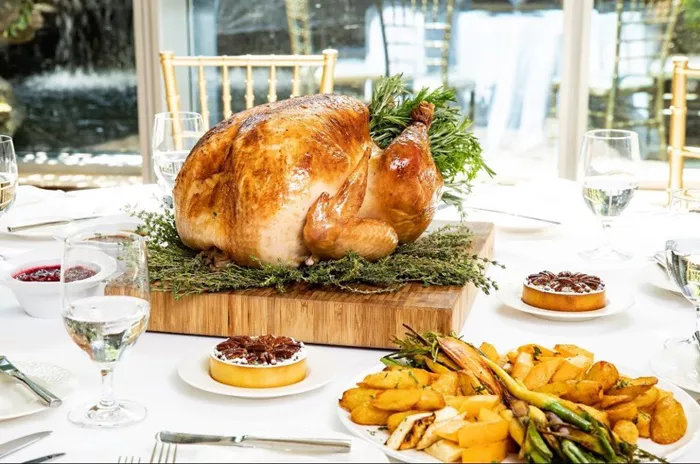
Thanksgiving is one of the most widely celebrated holidays in the United States. It is known for family gatherings, shared meals, and expressions of gratitude. Many people associate Thanksgiving with turkey, pumpkin pie, and a historical story about Pilgrims and Native Americans. But an important question often arises: do Jewish people celebrate Thanksgiving?
The answer is not a simple yes or no. Jewish communities in the United States have developed different approaches to Thanksgiving. Some families celebrate it enthusiastically. Others observe it in a limited way. A small number choose not to celebrate it at all. These choices depend on religious interpretation, cultural identity, family tradition, and personal belief.
This article offers a detailed and structured explanation of how Thanksgiving relates to Jewish life. It explores religious law, history, cultural practice, and modern attitudes. The goal is to provide clarity while maintaining respect for diversity within Judaism.
Understanding Thanksgiving as an American Holiday
The Historical Background
Thanksgiving began as a harvest celebration in early colonial America. The commonly told story describes a meal shared in 1621 between English settlers and Native Americans. Over time, the holiday evolved into a national day of gratitude. In 1863, President Abraham Lincoln declared a national day of thanksgiving during the Civil War. In the twentieth century, it became a fixed federal holiday celebrated on the fourth Thursday of November.
Importantly, Thanksgiving is a civic holiday. It is not formally tied to Christianity. There are no required church services. There are no mandated religious rituals. The holiday centers on family, food, and gratitude.
A Secular or Religious Holiday?
This question is central to Jewish participation. If Thanksgiving were considered a religious Christian holiday, observant Jews might avoid it. Jewish law generally prohibits adopting religious practices from other faiths. However, most scholars and rabbis classify Thanksgiving as a secular civic holiday. Its themes of gratitude are universal and not linked to specific theological doctrines.
Because of this classification, many Jewish authorities permit participation.
Jewish Law and Thanksgiving
General Principles of Jewish Law
Jewish law, known as halacha, governs religious life. It addresses prayer, diet, holidays, ethics, and daily behavior. One relevant principle is the prohibition against imitating the religious customs of other nations when those customs have religious meaning. This rule is known as avoiding non-Jewish religious practices.
Another principle is gratitude. Judaism strongly emphasizes giving thanks to God. Daily prayers include expressions of gratitude. There are also Jewish holidays centered on thanksgiving, such as Sukkot and Passover.
Rabbinic Opinions on Thanksgiving
In the United States, many Orthodox, Conservative, and Reform rabbis have ruled that Thanksgiving is permitted. They argue that it is a national holiday without religious worship. It celebrates gratitude, which aligns with Jewish values.
Some rabbis even encouraged participation, especially during the twentieth century, when Jewish immigrants sought to integrate into American society while maintaining religious identity.
However, a minority of rabbinic authorities have expressed caution. They argue that creating new holidays not rooted in Jewish tradition may weaken distinct Jewish observance. These voices are relatively few, but they reflect the diversity of halachic interpretation.
How Jewish Families Celebrate Thanksgiving
Family Gatherings
For many Jewish Americans, Thanksgiving looks similar to the national norm. Families gather for a meal. Relatives travel long distances. Multiple generations sit around one table. Stories are shared. Gratitude is expressed.
In some Jewish homes, Thanksgiving is even more central than other American holidays because it does not conflict with Jewish practice. Unlike Christmas, it does not involve religious symbols from another faith.
Kosher Adaptations
Jewish dietary law requires kosher food. This affects how Thanksgiving meals are prepared. Turkey is permitted under kosher law if properly slaughtered and prepared. Side dishes must also follow kosher standards.
If a family keeps kosher strictly, all ingredients must be certified kosher. Meat and dairy cannot be mixed. Therefore, traditional dishes like butter-based mashed potatoes may be replaced with dairy-free alternatives when served with turkey.
In mixed-observance families, creative solutions are often used to respect dietary requirements while preserving tradition.
Prayer and Blessings
Some Jewish families add traditional Hebrew prayers before or after the Thanksgiving meal. The standard blessing over bread may be recited. After the meal, the Grace After Meals, known as Birkat Hamazon, may be said.
In this way, Thanksgiving becomes integrated into Jewish religious life rather than existing outside it.
Thanksgiving and Jewish Identity in America
Integration Without Assimilation
Thanksgiving played an important role in Jewish integration into American society. Unlike many European countries where Jews faced discrimination, the United States offered civic equality. Thanksgiving became a symbol of belonging.
For immigrant Jewish families in the late nineteenth and early twentieth centuries, celebrating Thanksgiving signaled gratitude for freedom and opportunity. At the same time, they maintained their religious traditions.
A Safe American Holiday
Many Jewish families feel comfortable celebrating Thanksgiving because it lacks overt Christian symbolism. There are no crosses, churches, or theological doctrines attached to the holiday. It is civic and cultural rather than ecclesiastical.
This makes Thanksgiving one of the most widely observed American holidays among Jewish communities.
Differences Among Jewish Denominations
Orthodox Judaism
In Orthodox communities, Thanksgiving is generally treated as a voluntary family gathering rather than a religious holiday. Observance depends on rabbinic guidance and local custom. Most Orthodox families who celebrate do so quietly, without adding formal religious significance.
Conservative Judaism
Conservative communities widely accept Thanksgiving. Some congregations even hold special services focused on gratitude. Rabbis may deliver sermons linking the holiday’s themes to Jewish teachings.
Reform Judaism
Reform Jewish communities often embrace Thanksgiving fully as both an American and Jewish-compatible celebration. Emphasis is placed on ethical gratitude, social justice, and communal responsibility.
Is Thanksgiving a Jewish Holiday
Short Answer
No. Thanksgiving is not a Jewish religious holiday. It is not mentioned in the Torah or rabbinic literature. It does not appear on the Jewish calendar.
Long Answer
While not Jewish in origin, its core theme of gratitude aligns closely with Jewish values. Judaism encourages daily thanksgiving to God. Many Jewish holidays express historical gratitude for survival and freedom. Therefore, participating in Thanksgiving does not contradict Jewish theology.
Common Misunderstandings
Confusion With Christian Holidays
Some people assume Thanksgiving is a Christian holiday. Historically, it included religious elements. However, in modern America it functions as a secular national observance.
Concerns About Assimilation
Some critics worry that celebrating national holidays may blur religious identity. However, most Jewish communities distinguish clearly between civic participation and religious practice.
Conclusion
Do Jewish people celebrate Thanksgiving? Many do. They gather with family, prepare kosher meals, express gratitude, and participate in American civic life. Others choose not to emphasize the holiday. Both approaches fall within the broad spectrum of Jewish practice.
Thanksgiving is not a Jewish religious holiday, but it is widely embraced by Jewish Americans as a day of gratitude and family unity. Its secular nature allows participation without compromising religious law. Ultimately, the decision depends on individual belief, rabbinic guidance, and family tradition. This diversity reflects the richness of Jewish life in America.