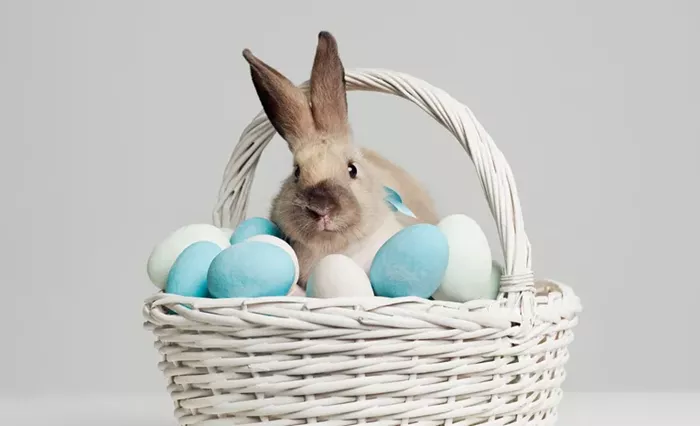
Every spring, you see it again: soft chocolate figures, fluffy decorations, storybooks, greeting cards, and festive displays. The rabbit appears everywhere during Easter. But you may ask yourself a simple question: why are rabbits associated with Easter?
Is it a religious symbol? A seasonal tradition? A playful marketing idea? Or something much older and deeper?
To understand this bright and curious connection, you need to explore cultural traditions, historical significance, celebration customs, festive food culture, and holiday wellness practices. Like layers of soil in a garden, each layer tells a story. When you examine them carefully, the answer becomes clear and fascinating.
Historical Significance of Rabbits in Spring
The rabbit is not originally a religious symbol of Easter. Instead, it is linked to spring celebrations that existed long before modern Easter traditions. To understand this, you must look at history like a long river flowing through time.
- Ancient Spring Festivals: Many early cultures celebrated spring as a season of renewal, fertility, and new life.
- Symbol of Fertility: Rabbits are known for their fast reproduction. Historically, they symbolized abundance and new beginnings.
- Pre-Christian Traditions: In parts of Europe, spring festivals included animals as symbols of life returning after winter.
- Connection to Renewal: Easter itself celebrates resurrection and renewal in Christian belief, which naturally aligns with spring themes.
Historians often explain that when Christian traditions spread across Europe, they blended with local customs. This process is called cultural integration. It is like two colors mixing into a new shade while still keeping their identity.

The Evolution of the Easter Bunny
The modern Easter Bunny likely developed in Germany during the 1600s. German folklore spoke of an egg-laying hare called “Osterhase.” When German immigrants moved to North America, they brought this story with them.
- German Origins: The “Osterhase” was said to deliver decorated eggs to children.
- Egg Symbolism: Eggs represent new life and rebirth.
- Migration of Tradition: Cultural practices traveled with communities to new lands.
- Child-Focused Celebration: The rabbit became a friendly character for children.
Cultural Traditions and Celebration Practices
Cultural traditions are shared behaviors passed from generation to generation. They act like bridges connecting past and present. The rabbit plays a major role in many modern Easter activities.
- Egg Hunts: Children search for hidden eggs in gardens, parks, or homes.
- Decorating Eggs: Families paint or dye eggs in bright colors.
- Gift Giving: Chocolate rabbits and baskets are exchanged.
- Community Events: Schools and towns organize festive gatherings.
Festive Cuisine and Seasonal Food Culture
Food is an essential part of any holiday. Festive cuisine refers to special dishes prepared for celebrations. During Easter, you may find foods that symbolize renewal and abundance.
- Egg-Based Dishes: Eggs symbolize new life.
- Spring Vegetables: Fresh greens reflect seasonal change.
- Sweet Breads: Many cultures bake special holiday breads.
- Chocolate Rabbits: A modern tradition enjoyed by children and adults.
Historical Significance in Christian Context
While the rabbit itself is not directly part of early Christian scripture, Easter celebrates the resurrection of Jesus Christ. This event represents victory over death and spiritual renewal.
Spring imagery, including rabbits and eggs, naturally complements this theme. Both express life returning after darkness. Over time, communities combined spiritual meaning with seasonal symbolism.
Holiday Wellness Strategies
Celebration should also include balance. Holiday wellness strategies help you enjoy festivities while maintaining physical and emotional health.
- Moderate Sweets: Enjoy chocolate in reasonable portions.
- Stay Active: Participate in egg hunts or outdoor walks.
- Hydration: Drink water between festive foods.
- Rest: Ensure adequate sleep during busy celebrations.
- Family Connection: Spend meaningful time with loved ones.
Real Stories from Participants and Organizers
A community festival coordinator once shared that children often write letters to the Easter Bunny. For them, the rabbit represents kindness and imagination.
One parent described how their child searched the backyard with determination, believing the rabbit had visited overnight. The excitement created a memory lasting for years.
Symbolism and Emotional Meaning
Symbols work like visual language. The rabbit communicates ideas without words.
- Renewal: Spring after winter.
- Abundance: Fertility and growth.
- Joy: Playful energy for children.
- Hope: A positive seasonal transition.
Modern Global Adaptations
Today, Easter celebrations vary worldwide. In some countries, the rabbit plays a central role. In others, it is less prominent but still recognized.
- North America: Strong Easter Bunny traditions and egg hunts.
- Europe: Deep historical roots in folklore.
- Australia: Some communities use alternative animals, but the rabbit remains culturally visible.
- Urban Celebrations: Shopping centers host themed events.
Conclusion
Now you understand why rabbits are associated with Easter. The connection comes from ancient spring symbolism, European folklore, migration patterns, cultural blending, festive practices, and modern celebration culture. The rabbit represents renewal, abundance, joy, and hope.
When you celebrate Easter, you participate in a living tradition shaped by history and imagination. By understanding its background, you deepen your appreciation of the season. Enjoy the festivities thoughtfully, balance sweets with wellness strategies, and share the story with others. In doing so, you keep the tradition meaningful and vibrant.
FAQ
Why did the rabbit become the Easter symbol instead of another animal?
The rabbit was already associated with spring fertility and renewal in European folklore. Its connection to new life aligned naturally with Easter themes of resurrection and seasonal rebirth.
Is the Easter Bunny mentioned in the Bible?
No, the Easter Bunny is not mentioned in biblical texts. It developed later as a cultural tradition linked to spring celebrations and folklore.
Where did the Easter Bunny tradition begin?
The tradition likely began in Germany with the story of the “Osterhase,” a hare that brought decorated eggs to children.
Why are eggs connected to Easter as well?
Eggs symbolize new life and rebirth. They complement the rabbit symbol because both represent spring renewal and abundance.
How can you celebrate Easter in a healthy way?
You can practice holiday wellness strategies such as eating sweets in moderation, staying active, drinking water, resting properly, and spending quality time with family.
Related topics: