Have you ever wondered why Easter doesn’t have a fixed date on the calendar? One year it might be in March, the next in April. This can feel like chasing a floating treasure. The “real” Easter is not just a Sunday—it is a blend of history, astronomy, and religious tradition. Let’s dive into the story behind the date and discover how you can celebrate it fully, whether you are a beginner or someone who loves holiday traditions.
Understanding Easter: Cultural Traditions and Historical Significance
Easter is a holiday rich in history and culture. It commemorates the resurrection of Jesus Christ in Christianity, but it also overlaps with ancient spring festivals that celebrated renewal and rebirth. Think of Easter as a bridge connecting religious devotion with seasonal joy. Historians like Dr. Elizabeth Harper recount that many spring rituals, such as egg decorating and spring feasts, predate Christianity and were absorbed into Easter traditions.
The Role of the Moon: Why the Date Changes
The “real” Easter Sunday is determined by a formula: it falls on the first Sunday after the full moon following the spring equinox. Imagine using the moon as a celestial calendar—this is exactly what early church leaders did to align Easter with both Jewish Passover and the cycles of nature. This method is why Easter can appear anywhere between March 22 and April 25.

Celebration Practices: Rituals and Festivities
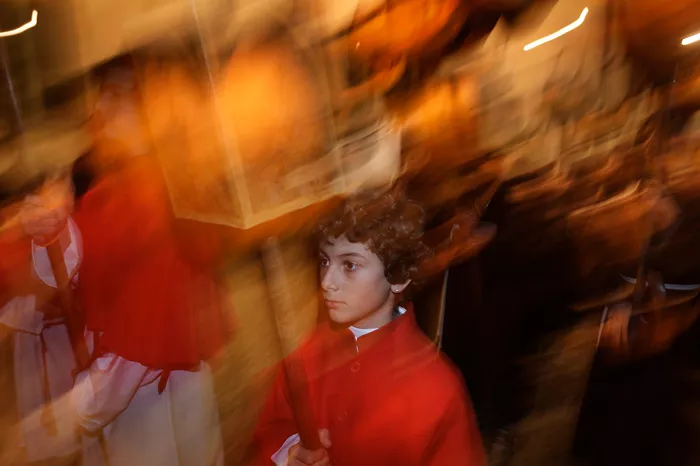
Easter celebrations are a vibrant mix of spiritual and cultural practices. Churches around the world hold sunrise services to symbolize light overcoming darkness. In some regions, participants perform processions or reenactments of biblical stories, while others focus on family gatherings and joyful games like egg hunts. Festival organizers emphasize that these rituals strengthen community bonds, acting as social glue that brings people together in joy and reflection.
Festive Cuisine: A Taste of Tradition
Food is at the heart of Easter celebrations. Traditional dishes include roasted lamb, hot cross buns, and colorful eggs. In some cultures, families prepare elaborate sweets and pastries, using symbolic ingredients to represent rebirth, hope, and prosperity. Think of your Easter table as a canvas, where each dish tells a story of heritage and celebration.
Holiday Wellness Strategies
Celebrating Easter is fun, but it’s also important to care for yourself. With feasts and long gatherings, your body and mind can feel overwhelmed. Festival wellness tips include staying hydrated, pacing your meals, taking short walks to enjoy spring blossoms, and incorporating quiet reflection to balance the festive energy. Many participants find that small mindfulness rituals, like sharing gratitude around the table, enrich both health and holiday spirit.
Fun Stories from the Field
Historians and festival organizers have shared fascinating anecdotes. One organizer in Germany recalls a local village where children would hide hundreds of chocolate eggs in the town square, turning the hunt into a joyful marathon. In another story, a historian observed that early European Christians adapted pagan spring celebrations, blending egg-decorating rituals into their Easter observances—showing how culture evolves like a flowing river, carrying old traditions into new celebrations.
Conclusion
Understanding when the real Easter falls gives you more than just a date—it offers a connection to history, culture, and seasonal rhythms. Remember, Easter is a celebration of renewal, community, and joy. Whether you plan a quiet family meal, join a lively procession, or simply enjoy a peaceful sunrise, you can honor the essence of the holiday while embracing its rich traditions.
Tips for Your Easter Celebration:
- Mark the date using the full moon method or check a reliable calendar to know the real Easter Sunday.
- Blend traditional rituals with personal family customs for meaningful celebrations.
- Plan your festive meals with symbols of spring and renewal, like eggs and fresh herbs.
- Take breaks for wellness: hydration, short walks, and mindful reflection enhance your experience.
- Share stories and historical facts with children or friends to deepen cultural appreciation.
FAQ
Why does Easter change date every year?
Easter is based on the lunar calendar, specifically the first Sunday after the full moon following the spring equinox, which means the date shifts each year between March 22 and April 25.
What are some common Easter traditions around the world?
Common traditions include church services, sunrise celebrations, egg decorating, chocolate egg hunts, festive meals, and processions or reenactments of biblical stories.
Why are eggs associated with Easter?
Eggs symbolize rebirth and new life, themes central to spring festivals and the Easter story of resurrection. Many ancient cultures incorporated eggs into seasonal rituals, which Christianity later adapted into Easter celebrations.
How can I celebrate Easter safely and healthily?
Maintain holiday wellness by pacing your meals, staying hydrated, enjoying outdoor walks, and taking moments for mindfulness and reflection amid the festivities.
What is the historical significance of Easter?
Easter commemorates the resurrection of Jesus Christ, a cornerstone of Christian faith, and is intertwined with older springtime celebrations of renewal, reflecting a blend of religious and cultural history.
Related topics: