
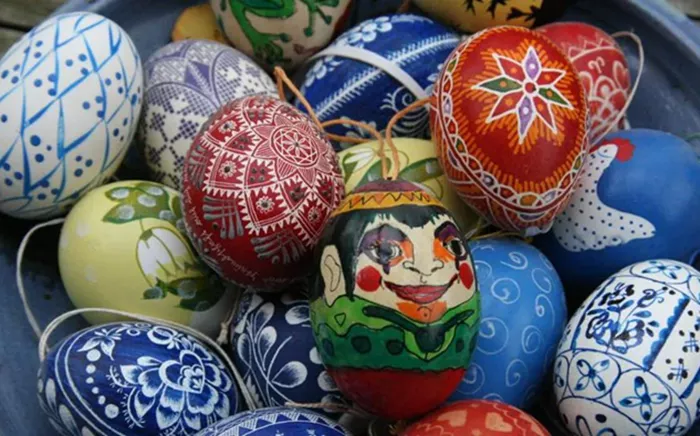
The Easter egg is one of the most recognizable symbols of the Easter festival. It is colorful, cheerful, and often associated with family gatherings, egg hunts, and festive celebrations. But the meaning of the egg goes far beyond decoration or play. Throughout history, the egg has symbolized life, rebirth, and hope, and its use in Easter traditions carries deep spiritual and cultural significance. This article explores the meaning of the Easter egg, its origins, and the way it is celebrated around the world.
The Historical Origins of Easter Eggs
The tradition of the Easter egg dates back centuries. Eggs have been regarded as symbols of fertility, life, and renewal long before the Christian era. In many ancient cultures, the egg represented the beginning of life and the cyclical nature of the seasons. For example, in ancient Egypt and Persia, eggs were painted and exchanged during spring festivals to celebrate the renewal of nature.
With the advent of Christianity, many pagan customs were incorporated into Christian traditions. The egg became a symbol of the resurrection of Jesus Christ, linking the idea of new life in spring with the spiritual renewal of Easter. Early Christians in Mesopotamia reportedly stained eggs red to represent the blood of Christ, blending ancient symbolism with Christian beliefs.
The Egg as a Symbol of Life and Rebirth
One of the main reasons eggs are associated with Easter is their symbolism of life and rebirth. The shell of the egg represents the tomb, while cracking the egg symbolizes Jesus’ resurrection. Just as life emerges from the egg, Christ emerged from the tomb, bringing hope and renewal to the world.
In Christian theology, the egg is a reminder that life continues even after death. It encourages believers to reflect on the power of resurrection and the promise of eternal life. This symbolic meaning transforms a simple food item into a powerful spiritual symbol during the Easter festival.
The Egg in Different Cultures
The use of eggs in Easter celebrations varies around the world, reflecting local traditions and beliefs. In Eastern Europe, particularly in countries like Ukraine and Poland, intricate designs are painted on eggs using a wax-resist method called pysanka. Each pattern carries specific meanings, such as prosperity, protection, or fertility.
In Western Europe and the United States, decorated eggs are commonly made from chocolate or candy. Egg hunts and egg rolling games are popular activities for children, turning the egg into a fun and interactive symbol of the holiday. Despite differences in appearance and method, the core meaning of renewal and celebration remains consistent.
The Religious Significance of Easter Eggs
While Easter eggs are often enjoyed as a fun tradition, they also hold deep religious significance. The egg represents the resurrection of Jesus Christ, a central tenet of Christian faith. The red eggs in Orthodox Christian traditions symbolize the blood of Christ, linking the visual beauty of the egg with the spiritual story of Easter.
During Lent, many Christians abstained from eating eggs as a form of fasting. When Easter arrived, eggs were one of the first foods enjoyed again, making them a symbol of joy, celebration, and the end of penance. The egg, therefore, becomes more than just a symbol of life; it becomes a reminder of spiritual renewal and faith.
Decorating Easter Eggs
Decorating eggs is a creative and cherished tradition. People use various techniques, from painting and dyeing to carving and decorating with beads or stickers. In many cultures, the designs carry symbolic meaning. For instance, flowers may represent new beginnings, while geometric patterns can signify harmony and balance.
Decorating eggs is also a communal activity. Families gather to create beautiful eggs together, passing down techniques and traditions from one generation to the next. This reinforces not only the cultural significance of the egg but also the social and emotional bonds that make Easter a time of togetherness and celebration.
Chocolate Eggs and Modern Traditions
In modern times, chocolate eggs have become a popular part of Easter celebrations. Introduced in Europe during the 19th century, chocolate eggs combined the symbolic meaning of the egg with the joy of sweet treats. Today, chocolate eggs are often hidden for children to find in Easter egg hunts, a fun activity that reinforces the themes of surprise, discovery, and celebration.
Despite being a modern innovation, chocolate eggs retain the symbolic meaning of life, renewal, and joy. They are a way for people to engage with the tradition in a playful manner while honoring the deeper significance of the egg.
The Egg in Art and Literature
The Easter egg has inspired countless works of art and literature. From ornate painted eggs in museums to poems and stories, the egg is a symbol of creativity and inspiration. Artists often use the egg to explore themes of life, growth, and resurrection, reflecting its deep cultural and spiritual significance.
Literary works sometimes use the egg as a metaphor for new beginnings or hidden potential. In this way, the Easter egg transcends its physical form to become a symbol that communicates universal truths about human experience and spiritual growth.
Egg-Related Customs Around the World
Many countries have unique customs related to Easter eggs. In the United Kingdom, children participate in egg rolling competitions on hills, symbolizing the rolling away of the stone from Christ’s tomb. In Greece, red-dyed eggs are cracked together in a game that symbolizes life’s triumph over death. In Sweden, children dress as “Easter witches” and give decorated eggs as gifts.
These customs demonstrate the adaptability of the Easter egg as a symbol. While the forms and practices may differ, the underlying themes of renewal, hope, and celebration are consistent, showing the egg’s enduring significance in global culture.
The Egg as a Symbol of Hope and Joy
Beyond its religious and cultural meanings, the Easter egg represents hope and joy. The act of giving eggs, decorating them, or finding them in an egg hunt brings happiness and a sense of community. It is a reminder that even after difficult times, life continues, and there are moments of beauty and delight to celebrate.
This symbolic layer is particularly important for children, who learn about traditions and values through playful engagement with eggs. It also offers adults a chance to reflect on renewal and optimism, making the Easter egg a symbol for all ages.
Conclusion
The Easter egg is much more than a colorful object or a playful tradition. It embodies centuries of history, cultural practices, and spiritual meanings. From its origins as a symbol of life and rebirth to its role in Christian celebrations, the egg represents hope, renewal, and joy. Decorating eggs, sharing them with loved ones, and participating in Easter customs all serve to reinforce the symbolic power of the egg. Whether in art, literature, or festive activities, the Easter egg continues to inspire, educate, and bring people together, making it an enduring and meaningful symbol of the Easter celebration.
Related topics: