
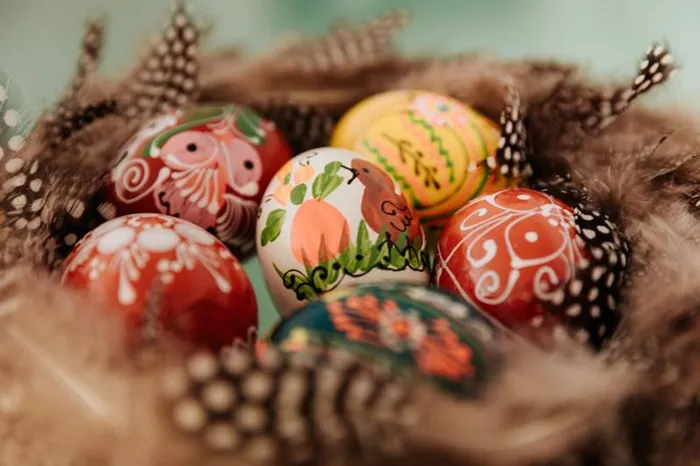
The egg is one of the most recognized symbols of Easter. Its presence in celebrations around the world is both fascinating and meaningful. People have long associated eggs with life, renewal, and hope. During Easter, the egg takes on a special religious and cultural significance that goes beyond its role as a simple food item. Understanding the symbolism of eggs for Easter allows us to appreciate the holiday’s deeper meanings and traditions.
The Egg as a Symbol of Life
The egg is a universal symbol of life. Inside the shell, a new life has the potential to emerge, making it a natural representation of birth and creation. In the context of Easter, this symbolism is linked to the resurrection of Jesus Christ. Just as a chick emerges from the egg, Christians believe that Jesus rose from the tomb, bringing new life and hope to the world. This connection between eggs and life reinforces the spiritual significance of Easter.
The Egg and Rebirth
Rebirth is a key theme in Easter celebrations. Eggs, by their nature, represent the cycle of life and renewal. In many cultures, eggs have been associated with springtime and the end of winter, a period when life returns to nature. Easter, which occurs in spring, adopts this symbolism to celebrate spiritual rebirth. The egg becomes a reminder that life is constantly renewing itself and that faith and hope can be restored even after times of struggle.
The Egg in Christian Tradition
Within Christian tradition, the egg is more than just a symbol of life; it represents the resurrection of Jesus Christ. Early Christians in Mesopotamia were said to have dyed eggs red to symbolize the blood of Christ. The egg’s hard shell represented the sealed tomb of Jesus, while cracking the shell symbolized His resurrection and emergence from death. Over centuries, this symbolism became an integral part of Easter rituals, connecting the physical egg with profound religious meaning.
The Egg in Pagan and Pre-Christian Practices
Before its association with Easter, the egg held significance in various pagan and pre-Christian cultures. In ancient societies, eggs symbolized fertility, the earth, and the beginning of new life cycles. Festivals celebrating the spring equinox often included decorated eggs as offerings or symbols of growth. When Christianity spread, many of these ancient traditions merged with religious practices, creating the modern Easter customs we know today. This blending of pagan and Christian symbolism helped make the egg a powerful icon of both life and faith.
Decorating Easter Eggs
Decorating eggs is one of the most popular Easter customs. People around the world color and embellish eggs in various designs and patterns. The act of decorating adds creativity and personal expression to the symbolism of the egg. Bright colors represent joy, celebration, and the triumph of life over death. Some traditions use intricate patterns to convey spiritual stories, while others focus on fun and family activities. Regardless of style, decorated eggs emphasize the beauty of life and the hope of renewal.
The Easter Egg Hunt
The Easter egg hunt is another tradition that reinforces the symbolism of eggs. Children search for hidden eggs, which often contain small gifts or treats. This playful activity symbolizes the search for life, joy, and spiritual discovery. It also reflects the idea of finding something precious and hidden, similar to discovering faith or spiritual meaning. The egg hunt combines fun with symbolic teaching, making the celebration both educational and entertaining.
Chocolate Eggs and Modern Celebrations
Today, chocolate eggs are a popular part of Easter celebrations worldwide. While they are a modern invention, they continue to carry the same symbolism of life, reward, and renewal. Chocolate eggs are often given as gifts, emphasizing generosity, sharing, and joy. Even though they are consumed as food, the underlying symbolism remains strong, reminding people of the deeper meanings behind Easter and its celebrations.
The Egg as a Symbol of Hope
Hope is central to the Easter message, and the egg embodies this concept perfectly. Just as an egg contains the potential for life, Easter represents the hope of resurrection and new beginnings. It reminds believers that even in difficult times, renewal and positive change are possible. The egg inspires optimism, faith, and confidence in the continuity of life, making it a fitting emblem for Easter’s spiritual and cultural significance.
The Egg in Different Cultures
Eggs are celebrated in Easter traditions across the world. In Eastern Europe, beautifully painted eggs called pysanky carry intricate designs with symbolic meanings. In Western countries, chocolate eggs and egg hunts are widespread. In some cultures, boiled or dyed eggs are given as gifts to friends and family. Despite the variations in customs, the egg consistently represents life, joy, and renewal, showing the universality of its symbolism.
The Spiritual Lesson of the Egg
Beyond physical and cultural interpretations, the egg teaches spiritual lessons. It encourages patience, nurturing, and care. Just as life inside the egg develops over time, spiritual growth requires faith, practice, and reflection. The egg also reminds people that life is fragile yet resilient. This duality resonates with the Easter message of suffering, sacrifice, and eventual triumph, making the egg a profound tool for reflection and contemplation.
Eggs and Family Traditions
Many families incorporate eggs into their Easter rituals, strengthening bonds and creating memories. Decorating, hiding, and sharing eggs bring generations together. These activities transmit values of love, community, and celebration. By involving children in these traditions, families teach both cultural heritage and spiritual lessons. The egg becomes more than a symbol; it is a living part of family life and continuity.
Conclusion
The egg is a powerful symbol of Easter, representing life, rebirth, hope, and spiritual growth. From its early pagan roots to its Christian associations, the egg has evolved into a universal emblem of renewal and joy. Through decoration, hunting, and sharing, it teaches lessons of faith, patience, and community. Understanding the symbolism of the egg allows us to fully appreciate the depth and beauty of Easter, making every egg more than just an object—it becomes a meaningful reminder of life, faith, and hope.
Related topics: