
Thanksgiving is one of the most celebrated holidays in the United States. It is a time when families and friends gather to express gratitude for the blessings they have received throughout the year. Although it is often associated with a large meal featuring turkey, the holiday has deep historical and cultural roots. Understanding Thanksgiving involves exploring its history, traditions, and significance in American society.
The Historical Origins of Thanksgiving
The story of Thanksgiving begins in the early 17th century. In 1620, a group of English settlers, known as the Pilgrims, arrived in North America aboard the Mayflower. They settled in Plymouth, in what is now Massachusetts. The first winter was harsh, and many Pilgrims struggled to survive. Native Americans, particularly the Wampanoag tribe, helped the settlers by teaching them how to grow crops and fish in the new land.
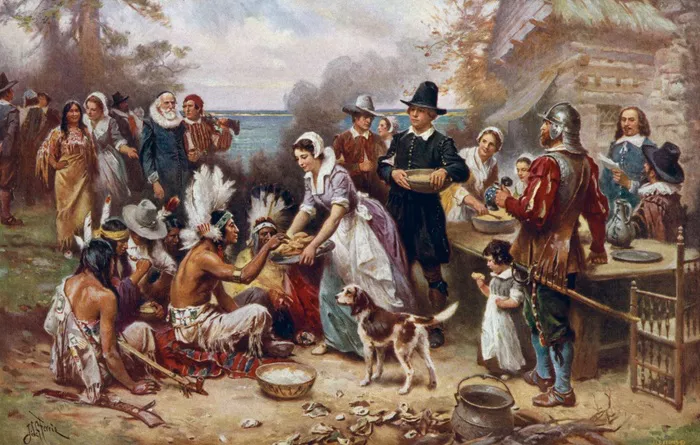
In 1621, after a successful harvest, the Pilgrims held a feast to celebrate and give thanks for their survival. This event is often considered the first Thanksgiving, though it was not an official holiday at that time. It was a simple gathering of food, prayers, and community.
The Evolution of Thanksgiving as a National Holiday
For many years, Thanksgiving was celebrated at different times in various colonies. It was mainly a regional holiday with no official recognition. It was not until 1863 that President Abraham Lincoln declared Thanksgiving a national holiday. Lincoln called for a day of “Thanksgiving and Praise to our beneficent Father who dwelleth in the Heavens.” He chose the last Thursday in November as the official date.
Over time, Thanksgiving became a major national holiday. In 1941, the U.S. Congress officially set the date as the fourth Thursday in November. This ensured consistency and allowed Americans to plan family gatherings and celebrations more easily.
Traditional Foods of Thanksgiving
Food plays a central role in Thanksgiving celebrations. The most iconic dish is roasted turkey, often accompanied by stuffing, mashed potatoes, cranberry sauce, and gravy. Other common dishes include sweet potatoes, green bean casserole, and corn. Pumpkin pie is a traditional dessert, symbolizing the harvest season.
Each family may have its own traditions, adding unique dishes or recipes passed down through generations. Sharing food is a way to strengthen family bonds and celebrate the abundance of the harvest.
Thanksgiving Traditions in the US
Thanksgiving is more than just a meal; it includes various traditions that make the holiday special. One well-known tradition is the Thanksgiving Day parade. The most famous parade takes place in New York City, featuring giant balloons, marching bands, and floats. Many families watch the parade on television each year.
Another tradition is watching football games. The National Football League (NFL) hosts several games on Thanksgiving Day, creating a festive atmosphere for sports fans. Family members often gather around the television to enjoy both the games and the company of loved ones.
Volunteering and giving back is also an important aspect of Thanksgiving. Many people donate food, help at soup kitchens, or participate in community events. These acts of kindness reflect the holiday’s spirit of gratitude and generosity.
The Cultural Significance of Thanksgiving
Thanksgiving represents more than historical events and delicious food; it is a symbol of gratitude and unity. It reminds Americans to pause and appreciate the positive aspects of their lives, including family, health, and opportunities. The holiday also serves as a time for reflection on history, community, and personal growth.
For immigrants and new citizens, Thanksgiving is a way to connect with American culture and traditions. Schools and communities often hold activities and lessons to teach the meaning of Thanksgiving, helping younger generations understand its importance.
Modern Celebrations and Trends
In modern times, Thanksgiving has evolved to include new forms of celebration. Some families travel long distances to be together, while others use the holiday as an opportunity for short vacations. Black Friday, the day after Thanksgiving, has become a major shopping event, marking the start of the holiday shopping season.
Technology has also influenced how people celebrate. Video calls allow family members who live far away to join the celebration virtually. Social media is filled with photos of festive meals, decorations, and moments of gratitude, connecting people in new ways.
Thanksgiving Around the United States
Although Thanksgiving is celebrated nationwide, traditions may vary by region. In the South, dishes such as cornbread, collard greens, and sweet potato pie are popular. In the Northeast, seafood may appear on the table, reflecting local culinary influences. Midwest celebrations often include hearty casseroles and pumpkin desserts. Despite these differences, the core values of gratitude, family, and community remain consistent across the country.
Challenges and Controversies
Thanksgiving is not without controversy. Some Native American groups view the holiday as a reminder of colonial oppression and the suffering of indigenous peoples. These groups advocate for reflection and education about history, emphasizing that Thanksgiving should not ignore the past. Many schools and communities now include lessons and discussions to provide a more complete understanding of history and its complexities.
Thanksgiving Symbols and Decorations
Symbols play an important role in Thanksgiving celebrations. Turkeys, pumpkins, cornucopias, and autumn leaves are commonly used to decorate homes and public spaces. These symbols represent abundance, harvest, and the changing seasons. Decorating is a way to create a festive atmosphere and prepare for gatherings.
Some families also include gratitude jars or boards, where members write what they are thankful for. This practice encourages reflection and positive thinking, reinforcing the holiday’s central message.
Thanksgiving in Popular Culture
Thanksgiving has a strong presence in movies, television, and literature. Popular shows often feature Thanksgiving episodes that highlight family conflicts, traditions, and humor. Films frequently explore the chaos and warmth of family gatherings, making Thanksgiving a relatable theme for audiences. Literature and music also celebrate the themes of gratitude and community associated with the holiday.
Thanksgiving for Children
For children, Thanksgiving is an opportunity to learn about history, culture, and family values. Many schools organize activities such as arts and crafts, storytelling, and plays about the first Thanksgiving. Children often participate in preparing the meal or setting the table, teaching them responsibility and cooperation. Engaging kids in these activities helps them understand the significance of gratitude and shared experiences.
Thanksgiving Beyond the United States
While Thanksgiving is uniquely American, other countries have similar celebrations. Canada celebrates Thanksgiving on the second Monday of October, reflecting their earlier harvest season. Other nations, such as Liberia and some Caribbean countries, observe Thanksgiving-like holidays. These international celebrations share themes of gratitude, harvest, and community, highlighting the universal human desire to give thanks.
Economic Impact of Thanksgiving
Thanksgiving also has significant economic implications. Travel, retail, and food industries experience a surge in activity. Airlines, highways, and public transportation see increased usage as families travel. Grocery stores and restaurants prepare for high demand, while retailers offer special deals and promotions. Black Friday and Cyber Monday contribute further to the holiday’s economic impact, making Thanksgiving a major driver of consumer spending.
Conclusion
Thanksgiving in the United States is a holiday rich in history, culture, and tradition. It began with a simple celebration of survival and harvest and has grown into a national holiday that unites families and communities. Through meals, parades, football games, and acts of kindness, Americans express gratitude and reflect on their blessings. While it has evolved over the centuries and faces challenges regarding historical perspectives, Thanksgiving continues to be a time for togetherness, reflection, and celebration. By honoring both tradition and modern practices, Thanksgiving remains a meaningful and cherished holiday in the United States.