
Easter is one of the most widely celebrated festivals in the world. It has deep religious meaning for Christians, cultural importance for many groups, and even seasonal symbols that many people enjoy. But where is Easter originated? This question is more than a simple geographic question. Easter’s origin is rooted in history, religion, culture, and ancient tradition. To answer it, we need to explore many layers of human belief and historical change.
This article explains the history of Easter in simple, clear sentences. It is logically organized and detailed. You will learn how Easter began, how it changed through history, and how it became the festival we know today. We will also explore the symbols and customs that are now a part of Easter celebrations around the world.
What Is Easter?
Before we look at the origin, we must know what Easter is. Easter is a holiday. For Christians, it celebrates the resurrection of Jesus Christ. This belief says that Jesus rose from death three days after his crucifixion. For many others, Easter also has cultural meaning. It marks the arrival of spring and new life. Eggs, rabbits, and bright colors are part of these spring traditions.
Because Easter has both religious and cultural elements, its origin is complicated. It is not from a single date or place. Instead, its roots spread across time and many regions. Some come from ancient religions, and others come from early Christianity. Many traditions were added over centuries. To understand the origin of Easter, we must look back in history.
Early Spring Festivals Before Christianity
Long before Christianity, many cultures celebrated spring. Spring is a time when the earth wakes up after winter. Plants grow again. Animals have babies. People felt joy and hope at this time of year. They created festivals to honor life and growth.
In ancient times, people in Europe and the Middle East held festivals around the equinox. The equinox is the time when day and night are almost the same length. It often happens near late March. These festivals celebrated fertility and nature. Some included feasting, songs, and rituals. These traditions prepared the soil for planting and gave thanks for the return of light and warmth.
Many symbols of early spring festivals survive in Easter celebrations today. The egg is a symbol of birth and new life. The rabbit, known for fertility, also became a spring symbol. These images were part of ancient folklore long before Easter was a Christian holiday.
Origin of Easter in Christianity
While spring festivals were widespread, Easter as a Christian holiday comes from the story of Jesus Christ. The earliest Christians were Jewish. They lived in a world with many traditions. Yet they held a strong belief in Jesus as the Messiah. They believed Jesus died and rose again. This belief became the core of Easter in Christianity.
According to Christian scripture, Jesus was crucified in Jerusalem during Passover. Passover is a Jewish holiday that commemorates the Israelites’ escape from Egypt. It is connected to the lunar calendar and usually falls in spring. Because Jesus’ death and resurrection happened around this time, early Christians linked their celebration to Passover and springtime.
The Resurrection Story
Christians believe that Jesus was crucified on a Friday. This day is now called Good Friday. Then, on the third day, Sunday, Jesus rose from the dead. This event is known as the resurrection. The resurrection is the central belief of Easter. For Christians, it shows that death has been defeated and life continues. It is a message of hope and renewal.
Early Christians told this story again and again. They gathered on Sundays to remember the resurrection. Over time, this memory became formalized into a yearly festival. This festival became known as Easter. The name “Easter” is thought to come from old European traditions, but Christians connected it firmly to the resurrection of Jesus.
The Word “Easter” and Its Origins
Where does the word “Easter” come from? The answer is not simple. People disagree about its exact origin. Some scholars say the word comes from an old Germanic word. This word was used for a spring festival honoring a goddess of spring. In English and German, the word evolved into what we now call Easter.
In many other languages, Easter is named after the Jewish holiday Passover. For example, in Spanish, Easter is “Pascua.” In Italian, it is “Pasqua.” These names come from “Pesach,” the Hebrew word for Passover. This shows how early Christianity connected Easter with Passover.
The Development of Easter Traditions
Once Christians began celebrating Easter, the festival continued to change. It took many centuries for Easter traditions to become standardized. Early church leaders sought to unify the date and meaning of the festival. They held councils and meetings to decide when Easter should be celebrated each year.
This was not easy. The Jewish Passover date moves with the lunar calendar. Early Christians, especially those from non-Jewish backgrounds, used solar calendars. Church leaders had to agree on a method that could be used everywhere. This effort took many years and debates.
The First Council of Nicaea
In 325 AD, church leaders met in Nicaea. This meeting was called the First Council of Nicaea. They decided that Easter should be celebrated on the first Sunday after the first full moon after the spring equinox. This rule is still used in many Christian churches today. It links Easter to the cycles of nature but keeps it tied to Sunday, the day of the resurrection.
Christian and Local Customs
As Christianity spread, local customs mixed with Easter celebrations. In Europe, people brought springtime symbols into the festival. Eggs became a popular symbol of new life and resurrection. In many places, people decorated eggs and gave them as gifts. In some regions, people held egg hunts or egg rolling games. These customs were fun ways to mark the season and celebrate with family.
The Easter bunny developed later in Europe. It likely began in Germany. The hare, a relative of the rabbit, was a symbol of fertility and spring. These animals were later connected to Easter. Immigrants brought the tradition to other parts of the world. Today, the Easter bunny is a common symbol of Easter in many countries.
Easter in Different Christian Traditions
Not all Christians celebrate Easter in the same way or on the same date. The reason lies in history and different calendars. The Western Christian churches, such as the Roman Catholic and Protestant churches, use the Gregorian calendar. Many Eastern Christian churches, such as the Orthodox Church, use the Julian calendar. Because these calendars differ, the date of Easter can be different.
Despite these differences, the meaning remains the same. All Christians celebrate Easter as the day of Jesus’ resurrection. Churches hold special services. Many people attend sunrise services on Easter morning. These services represent light coming into the world and Jesus rising from death.
Symbols of Easter and Their Meaning
Easter has many symbols. Some symbols come from Christian belief. Others come from ancient spring traditions that were added later. These symbols help people express hope, life, and renewal.
The Easter Egg
Eggs have long been symbols of life and rebirth. Christians adopted eggs as symbols of resurrection. In many traditions, eggs are dyed and decorated. People give decorated eggs as gifts to children or friends. In some regions, people use chocolate eggs as treats. The egg symbolizes the tomb from which Jesus rose.
The Easter Bunny
The Easter bunny is not originally a Christian symbol. It comes from older European traditions. Rabbits and hares were symbols of fertility and springtime. Over time, these animals became part of Easter celebrations, especially in Western countries. The Easter bunny is said to bring eggs and treats to children. This image is now popular in many Easter celebrations worldwide.
Lamb and Other Foods
Another symbol is the lamb. In Christianity, Jesus is sometimes called the “Lamb of God.” The lamb represents innocence and sacrifice. In some cultures, lamb is part of the Easter meal. This reflects both springtime and religious symbolism.
How Easter Spread Around the World
Christianity spread across Europe, Asia, Africa, and eventually the Americas. As it spread, Easter became part of local cultures. In each region, people added their own customs and foods. In some places, Easter week includes a series of celebrations leading up to Easter Sunday. In others, only Easter Sunday is widely celebrated.
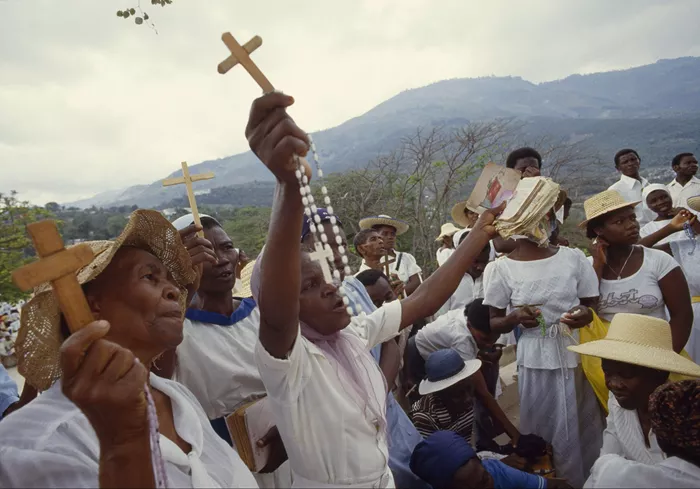
In Latin America, Easter is part of Holy Week. People in many countries hold processions and reenactments of the events of Jesus’ last days. In Europe, people have parades, music, and festivals. In North America, Easter often includes church services, family meals, and egg hunts.
Modern Easter Celebrations
Today, Easter is celebrated in many ways. For many Christians, church services are the heart of the holiday. Services often include special music, prayers, and readings about the resurrection. Many churches hold sunrise services. These symbolize the morning when Christians believe Jesus rose from the dead.
In many countries, people also celebrate Easter as a cultural holiday. Families gather for special meals. Children participate in egg hunts or receive baskets of candy and toys. Many towns hold festivals, parades, and community events. The holiday often brings together both sacred and secular traditions.
In some places, Easter Monday is also a public holiday. It is a day for rest, family activities, and community gatherings. In many schools, holidays around Easter give students a break in spring.
Why Easter Matters Today
Easter matters for different reasons. For Christians, it is the most important festival. It celebrates the central event of their faith: the resurrection of Jesus Christ. It is a time of reflection, gratitude, and hope.
For many others, Easter is a time of renewal and joy. Spring is a season of growth and life. The changing weather, flowers blooming, and longer days create a sense of optimism. Traditions like egg decorating and family meals add joy and connection.
In many communities, Easter also brings people together. Festivals, parades, and public events create shared memories. People of different backgrounds may celebrate Easter in different ways, but many traditions emphasize family, community, and new beginnings.
Conclusion
Easter originated from a mix of religious and cultural traditions. Its roots lie in ancient spring festivals and the Christian belief in the resurrection of Jesus Christ. Over centuries, Easter has grown into a widely observed festival with deep meaning for believers and enjoyable customs for many others. Its symbols, such as eggs and rabbits, reflect themes of life, renewal, and hope. Today, Easter remains an important part of culture and faith around the world. Understanding its origin helps us appreciate the richness of human history and the ways traditions can connect us across time and place.