
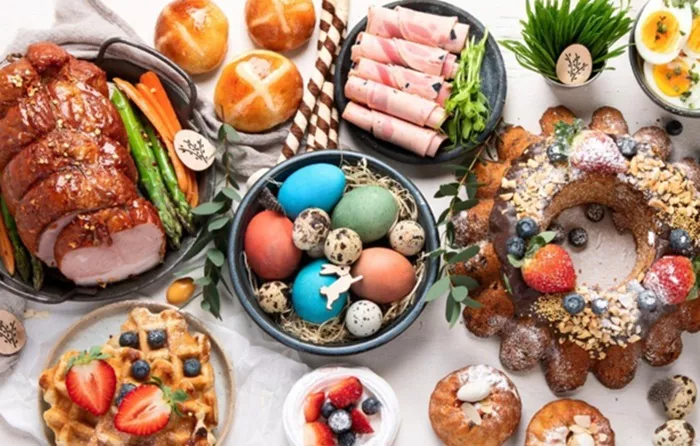
Easter is one of the most meaningful and widely celebrated festivals in the world. It is a Christian holiday that marks the resurrection of Jesus Christ. At the same time, it is also a cultural celebration of spring, renewal, and family gatherings. When people ask, “What do you have for Easter?” they may be talking about food, gifts, decorations, events, or traditions. The answer depends on family customs, religious background, and regional culture.
This article explains in detail what people typically have for Easter. It covers traditional meals, sweets, drinks, decorations, church services, games, clothing, and family activities. It also looks at how Easter traditions vary across countries such as United States, United Kingdom, Italy, Germany, Australia, and Poland. By the end of this guide, you will have a complete understanding of what Easter includes and how you can prepare for it in a meaningful way.
Understanding the Meaning of Easter
Easter celebrates the resurrection of Jesus Christ after his crucifixion on Good Friday. According to the Bible, Jesus rose from the dead on the third day. This event symbolizes hope, renewal, and victory over death.
Easter takes place on a Sunday between March 22 and April 25. The date changes each year because it is based on the lunar calendar. It falls on the first Sunday after the full moon following the spring equinox.
Before Easter, many Christians observe Lent. Lent lasts 40 days and is a period of prayer, fasting, and reflection. During Lent, some people give up certain foods or habits. Easter Sunday marks the joyful end of this period.
Traditional Easter Meals
Main Dishes
One of the most important parts of Easter is the family meal. What you have for Easter often starts with a main dish that reflects tradition.
Roast Lamb is common in many countries. Lamb represents sacrifice and is strongly linked to Christian symbolism.
Ham is very popular in the United States. Many American families prepare glazed ham with brown sugar or honey.
Roast Chicken is another common option. It is simple and suitable for large gatherings.
In Italy, families may serve roasted lamb or special Easter pies. In Poland, sausage is often included in the Easter meal.
Side Dishes
Side dishes are an essential part of the Easter table. Popular options include:
Mashed potatoes
Roasted vegetables
Green beans
Deviled eggs
Fresh spring salads
Deviled eggs are especially common because eggs symbolize new life.
Breads
Many cultures prepare special breads for Easter.
In the United Kingdom, Hot Cross Buns are traditional. These sweet buns are marked with a cross on top.
In Italy, Colomba di Pasqua is a dove-shaped sweet bread.
In Germany, braided sweet bread is common.
Desserts
Easter desserts are often colorful and creative.
Chocolate cakes and carrot cakes are popular in many households.
Fruit tarts and lemon pies are also common because they reflect spring flavors.
Children especially look forward to chocolate eggs and candy.
Easter Eggs and Their Meaning
Eggs are one of the most important symbols of Easter. They represent new life and rebirth.
Decorated Eggs
Many families dye and decorate eggs. Bright colors such as red, yellow, blue, and green are common. In some cultures, eggs are painted with detailed designs.
Chocolate Eggs
Chocolate eggs are widely enjoyed in countries like United States, United Kingdom, and Australia. They are often hollow and filled with candy.
Easter Egg Hunts
Children participate in Easter egg hunts. Adults hide eggs in gardens or parks. Children search for them with baskets. This activity is joyful and brings families together.
The Easter Bunny
The Easter Bunny is a popular character in many countries. The tradition began in Germany and later became popular in the United States. According to legend, the bunny brings eggs and candy to children.
Children may leave baskets out on Easter Eve. On Easter morning, they find them filled with treats and small gifts.
Church Services and Religious Observance
For Christians, Easter begins with church services. Many attend a sunrise service to remember the resurrection.
Churches are decorated with flowers, especially lilies. Hymns and prayers focus on joy and hope.
In Italy, Easter celebrations in cities such as Rome are especially significant. The Pope leads services at the Vatican.
Easter Decorations
Home Decorations
Homes are decorated with pastel colors. Wreaths, flowers, and bunny figures are common.
Fresh flowers such as tulips and lilies symbolize spring.
Table Settings
Families often use special tablecloths and themed napkins. Centerpieces may include eggs and flowers.
Easter Clothing
Many families wear new or special clothing for Easter Sunday. This tradition represents renewal.
Women may wear dresses in light colors. Men often wear suits. Children wear formal or festive outfits.
Family Activities
Outdoor Picnics
Because Easter falls in spring, families often gather outdoors.
Games and Crafts
Children enjoy painting eggs and making crafts. Games such as egg rolling are popular.
Easter Around the World
United States
In the United States, Easter includes church, family meals, egg hunts, and candy.
United Kingdom
In the United Kingdom, Hot Cross Buns and chocolate eggs are common.
Italy
In Italy, religious processions are important. Large public celebrations take place in Rome.
Germany
Germany is known for Easter trees decorated with eggs.
Poland
In Poland, families bless baskets of food before Easter Sunday.
Conclusion
When people ask, “What do you have for Easter?” the answer includes much more than a meal. Easter brings together faith, family, food, and tradition. It includes meaningful church services, festive meals, decorated eggs, joyful children’s games, and beautiful spring decorations. Each country adds its own customs, yet the central themes remain the same: renewal, hope, and celebration. Whether you observe Easter for religious reasons or cultural enjoyment, the holiday offers an opportunity to gather with loved ones and welcome the new season with gratitude and joy.