
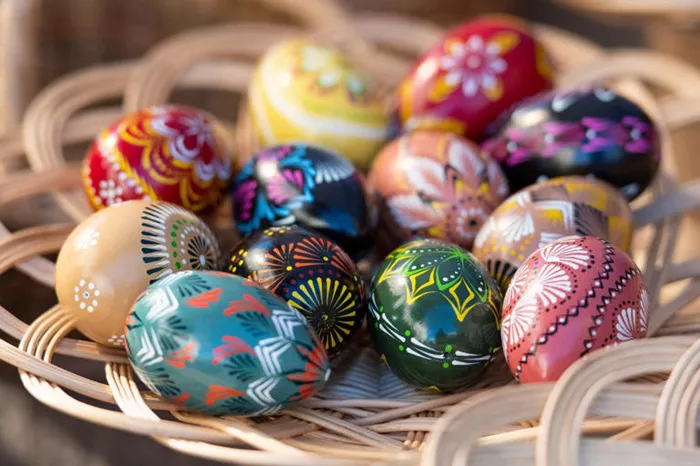
Easter eggs are a widely recognized symbol of the Easter holiday. They appear in various forms, from brightly decorated eggs to chocolate treats and toys hidden for children to find. But where did this tradition begin? Understanding the origin of Easter eggs requires looking at ancient customs, religious practices, and cultural adaptations over centuries. This article explores the historical and cultural roots of Easter eggs, their symbolism, and how they became a beloved part of Easter celebrations around the world.
Ancient Symbolism of Eggs
Long before Easter became associated with Christian traditions, eggs held deep symbolic meaning in many ancient cultures. Eggs have been seen as symbols of life, fertility, and rebirth. Ancient civilizations, including the Egyptians, Persians, and Romans, used eggs in religious rituals to represent new beginnings. The egg’s hard shell symbolized the world, and the emerging chick represented life breaking free from confinement.
Eggs in Ancient Egypt and Persia
In Ancient Egypt, eggs were often decorated and offered as gifts during spring festivals. Similarly, in Persia, the festival of Nowruz, which celebrates the Persian New Year, included the decoration of eggs to symbolize fertility and the renewal of life at the start of spring. These practices highlight the egg’s longstanding connection to life, renewal, and seasonal change.
Eggs in Ancient Rome
The Romans associated eggs with the goddess of fertility, Venus. During spring festivals, eggs were exchanged and decorated to honor her. These ancient rituals contributed to the idea that eggs were connected to life, growth, and seasonal rejuvenation.
The Christian Adaptation of Eggs
With the spread of Christianity, many ancient customs were adapted to fit new religious contexts. Easter, celebrating the resurrection of Jesus Christ, became associated with the themes of rebirth and new life. The egg naturally became a symbol for these ideas, representing the resurrection of Jesus emerging from the tomb as new life.
Early Christian Traditions
Early Christians in Mesopotamia are believed to have started the practice of coloring eggs during the 4th century. The red color symbolized the blood of Christ, and the egg itself symbolized the tomb from which Christ emerged. This simple act of dyeing eggs became a meaningful religious practice and spread across Christian communities in Europe.
Medieval Europe
During the Middle Ages, eggs became central to Easter celebrations across Europe. Church rules often forbade the consumption of eggs during Lent, the 40-day period of fasting before Easter. Consequently, eggs laid during this period were often boiled or preserved and then consumed in celebration at Easter. Decorating these eggs added a festive element to the religious holiday.
Traditional Methods of Decorating Easter Eggs
Over time, the decoration of Easter eggs evolved into a complex cultural practice. Different regions developed unique techniques and designs, each carrying symbolic meaning and reflecting local traditions.
Eastern European Traditions
In countries like Ukraine, Poland, and Russia, intricate designs were created using wax-resist methods. Known as pysanky in Ukraine, these eggs often featured symbols of fertility, prosperity, and protection. Each color and pattern had a specific meaning, creating a rich tapestry of cultural symbolism.
Western European Traditions
In Western Europe, eggs were often painted in bright colors or adorned with religious symbols. In Germany, eggs were sometimes used to create elaborate displays, and hanging decorated eggs from trees became a popular tradition. These trees, known as “Easter egg trees,” symbolized life and renewal during the spring season.
The Introduction of Chocolate Eggs
By the 19th century, the tradition of the Easter egg expanded to include chocolate. European chocolatiers began creating hollow chocolate eggs, which could be decorated and filled with small gifts. This innovation added a commercial and playful dimension to Easter, appealing especially to children.
French and German Influence
France and Germany were instrumental in popularizing chocolate Easter eggs. German artisans perfected techniques for molding and decorating chocolate, while French chocolatiers introduced creative fillings and designs. The combination of chocolate with the symbolic egg created a tradition that spread globally.
Modern Easter Egg Traditions Around the World
Today, Easter eggs are celebrated in numerous ways worldwide, reflecting both religious and secular customs.
Egg Hunts and Games
In many countries, children participate in Easter egg hunts, searching for hidden eggs filled with candy or small toys. Other games, such as egg rolling or egg tapping, are also popular. These activities combine playfulness with symbolic meaning, emphasizing renewal and joy.
Commercialization and Popular Culture
Modern Easter eggs have expanded beyond traditional eggs to include toys, chocolate figurines, and elaborate decorations. Supermarkets and confectioners produce millions of Easter eggs annually, reflecting a blend of religious tradition and contemporary culture. Despite commercialization, the symbolic significance of new life and renewal remains central.
Religious Symbolism in Easter Eggs
Despite secular celebrations, Easter eggs retain their religious symbolism. The egg represents resurrection, hope, and new life. In some Christian communities, eggs are blessed during church services, reinforcing the spiritual meaning of the holiday. Even in non-religious contexts, the egg continues to symbolize renewal and the arrival of spring.
Eggs in Christian Liturgy
During Easter services, colored eggs are sometimes distributed as blessings or used in religious rituals. The act of breaking an egg can symbolize Christ’s resurrection, and the bright colors reflect joy and celebration.
Conclusion
The origin of Easter eggs is a rich tapestry of ancient symbolism, religious adaptation, and cultural creativity. From ancient fertility rites to Christian resurrection symbolism and modern chocolate delights, Easter eggs have maintained their relevance across centuries. They continue to be a beloved symbol of life, renewal, and joy, reflecting both the spiritual and festive dimensions of the Easter celebration. Understanding their origin allows us to appreciate the depth and significance behind a tradition that might otherwise seem simple or whimsical.
Related topics: