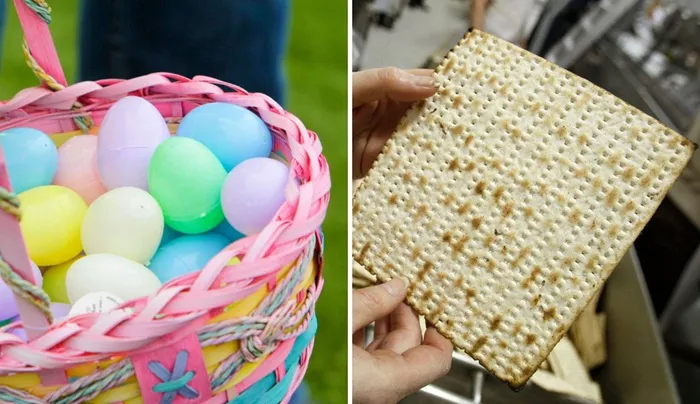
Imagine this: you step into a cozy room filled with warm laughter, fragrant foods, children’s voices, and elders reminiscing about old celebrations. Someone leans over and asks you a simple but intriguing question:
“Is Passover the same as Easter?”
At first glance, it may sound like asking whether tulips and roses are the same flower — both may bloom in spring, but each carries its own fragrance, color, and meaning.
In this article, you will travel through history, culture, and festive traditions, exploring how Passover and Easter are connected in time yet distinct in identity. Whether you’re a curious beginner or a holiday enthusiast with years of celebration experience, this journey uses clear language, vivid metaphors, and real stories from people who celebrate these holidays to help you understand not just the “what” but the “why” behind each festival.
Understanding the Basics: What Are These Holidays?
Passover: Freedom Remembered
Passover — or Pesach in Hebrew — is one of the most important Jewish holidays. It commemorates the liberation of the Israelites from slavery in Egypt, an event detailed in the Book of Exodus. Think of Passover as a family heirloom story: every year, Jewish families open the storybook of their heritage and retell a tale that has shaped their identity for thousands of years.
Passover lasts for eight days (seven in some regions outside of Israel) and begins in the spring. The heart of the festival is the Seder, a ritual meal filled with symbolic foods, prayers, songs, and storytelling. At the Seder table, every element has purpose — from bitter herbs representing oppression to unleavened bread reminding participants of a hasty departure from Egypt.

Easter: New Life Celebrated
Easter is the central festival of Christianity. It celebrates the resurrection of Jesus Christ — the belief that Jesus rose from the dead three days after being crucified. To Christians, Easter is a vibrant declaration of hope, renewal, and the promise of life overcoming death.
Easter falls on a Sunday in spring, determined by a lunar calendar rule similar to Passover’s: it occurs on the first Sunday after the first full moon following the spring equinox. While Passover and Easter sometimes overlap on the calendar, their meanings and rituals reflect different religious traditions and stories.
The Spring Connection: Why These Holidays Share a Season
Both Passover and Easter are celebrated in spring — and spring is a season full of symbolic meaning. Gardens burst into bloom, longer days bring new warmth, and the natural world seems to awaken from winter’s sleep. Spring becomes the perfect backdrop for festivals about liberation, renewal, and transformation.
You can think of spring as nature’s own celebration of rebirth. Just as trees unfurl their leaves and birds return to sing, Passover and Easter invite people to renew their spirits, strengthen community bonds, and reflect on hope, freedom, and life’s possibilities.
Historical Significance: Storytelling Through Time
Passover’s Ancient Roots
The historical significance of Passover is profound. Jewish communities around the world — from Europe to North Africa to the Middle East and beyond — have gathered for millennia to recount the Exodus story. This tale of liberation from slavery has shaped Jewish identity and teachings, emphasizing the value of freedom and compassion.
Historian Miriam Goldstein once described Passover as “a river that carries every generation forward while carrying the memories of every generation behind.” What she means is this: every Passover celebration links you to countless ancestors who sat at similar tables, reciting the same prayers and asking the same questions.
Easter’s Early Christian Foundations
For Christians, Easter is rooted in the earliest days of the faith. After the life, death, and resurrection of Jesus, his followers began gathering each spring to commemorate these events. The resurrection became a symbol of victory over despair and the promise of eternal life.
Christian theologian Thomas Alvarez described Easter like “watching dawn break after a long, dark night — it is a festival of light reclaiming the sky.” In Christian communities around the world, Easter has become a festival of joy marking the heart of faith, celebrating new life.
Key Terms Explained
Cultural Traditions
A cultural tradition is a practice or custom passed down through generations — like a shared language or a family recipe. It brings people together, connects them to their past, and gives celebrations meaning beyond the moment.
Historical Significance
Historical significance refers to the enduring importance of an event or idea — how it influences beliefs, behaviors, and identities over time. In holidays like Passover and Easter, historical significance helps us understand why these celebrations continue to hold deep meaning thousands of years after their beginnings.
Celebration Practices
Celebration practices are the actions, meals, songs, and rituals people engage in during a holiday. They are the “living” parts of tradition — the moments where history becomes experience. Think of them as the instruments in an orchestra: each contributes to the harmony of the celebration.
Celebration Practices: How These Holidays Come Alive
Passover Rituals
During Passover, you will notice a series of carefully structured rituals, most notably the Seder. This is not just a dinner; it is a journey through history, memory, and meaning. At the table, participants read from the Haggadah, a text that guides the Seder. It contains prayers, songs, and narratives about the Exodus story.
Each food on the Seder plate is symbolic: bitter herbs remind you of the bitterness of slavery, while charoset, a sweet mixture of fruit and nuts, represents the mortar the Israelites used to build in Egypt. When you take part, you are tasting history and feeling the emotions of generations before you. Some families add modern touches, like discussing freedom in today’s world, connecting ancient tradition with contemporary life.
Easter Rituals
Easter is celebrated in many ways around the world, combining church services, family gatherings, and festive activities. Many Christians attend sunrise services on Easter morning, symbolizing the light and hope brought by Jesus’ resurrection. In homes, families exchange gifts like chocolate eggs, which symbolize new life, or decorate Easter baskets for children.
For some communities, reenactments of the Passion of Christ — the story of Jesus’ crucifixion — are performed, bringing history to life in dramatic fashion. Others focus on joyful feasts with extended family, similar to Passover in its emphasis on gathering and community.
Festive Cuisine: Tastes of Tradition
Passover Foods
Passover cuisine is unique because it follows strict dietary rules. Leavened bread is avoided, symbolizing the haste in which the Israelites left Egypt. Instead, you will find unleavened matzah, fresh herbs, and traditional dishes such as roasted lamb and charoset. The flavors are rich and symbolic — each bite is both a culinary experience and a lesson in history.
Some families even incorporate modern recipes, adapting traditional dishes to local tastes while maintaining the symbolism. Imagine cooking as storytelling: every ingredient, every preparation method, helps narrate the Exodus story.
Easter Foods
Easter foods vary widely across cultures. In many Western countries, lamb is a traditional dish, representing Jesus as the “Lamb of God.” Eggs are central — often decorated or used in Easter egg hunts. Sweet breads like hot cross buns or braided Easter breads are common, symbolizing resurrection and new life.
Food during Easter is both celebratory and symbolic, encouraging reflection on renewal, abundance, and the joy of spring.
Real Stories and Anecdotes
Consider this story from historian Rachel Stein: her family fled Europe before World War II, yet every year they gathered for Passover in their new home in the United States. “The Seder,” she recalls, “was our anchor. Each story, each bite of charoset, reminded us who we were and where we came from.”
Meanwhile, festival organizer Michael O’Leary from Ireland shares his Easter experience: “Our sunrise service by the sea, with the first rays of sun reflecting on the waves, feels like nature itself is celebrating with us. Afterwards, children scramble for brightly painted eggs — the air is full of laughter and hope.”
Holiday Wellness and Safety Strategies
Emotional Wellness
Holidays can stir deep emotions — joy, nostalgia, or even longing. It’s important to engage in mindful practices: take time to reflect, share stories, and appreciate the moments with your loved ones. Think of it as exercising your emotional muscles, strengthening empathy, gratitude, and resilience.
Physical Health
Festive meals can be abundant, rich, and indulgent. Balance your diet with vegetables, hydration, and moderate portions. For Passover, remember that some traditional foods are high in sugar or fat, and for Easter, chocolate and rich breads are plentiful. A simple approach is to enjoy the flavors consciously, savoring each bite like a celebration of both taste and tradition.
Safety Practices
During communal celebrations, safety is key. For family gatherings, ensure cooking hygiene, handle candles or fire with care during rituals, and supervise children during activities like egg hunts or candle lighting. Festivals are a time for joy, not accidents.
Cultural Insights and Reflection
While Passover and Easter may coincide in time, their meaning is distinct. Passover emphasizes liberation and remembrance, connecting you to centuries of Jewish history. Easter focuses on renewal, resurrection, and hope, inviting participants into a shared spiritual experience.
Yet, despite differences, both festivals teach similar values: community, family, gratitude, and reflection. They are springtime reminders that life continues, traditions endure, and every generation adds its own brushstroke to the tapestry of culture.
Conclusion
In summary, Passover and Easter are not the same holiday, although they share the beauty of spring and themes of renewal. Passover celebrates freedom and remembrance, while Easter celebrates resurrection and hope. Both offer opportunities to gather with family, savor symbolic foods, honor tradition, and reflect on life’s deeper meanings.
As you participate in either celebration, remember these actionable tips: embrace the stories, respect cultural traditions, savor the festive foods mindfully, and balance emotional and physical wellness. Above all, share joy and gratitude — the heart of every holiday.
FAQ
1. Are Passover and Easter celebrated at the same time every year?
Not exactly. Passover follows the Hebrew lunar calendar, and Easter follows the Christian lunar calendar, based on the first Sunday after the first full moon of spring. Sometimes they overlap, sometimes they are weeks apart.
2. Do both holidays involve special meals?
Yes. Passover features the Seder with symbolic foods, while Easter includes festive meals like lamb, eggs, and sweet breads. In both, the food carries cultural and symbolic meaning.
3. Can non-religious people participate in these holidays?
Absolutely. Many people celebrate the cultural and family aspects — sharing meals, enjoying traditions, and reflecting on themes of freedom and renewal — even if they are not religiously observant.
4. Why are eggs important for Easter?
Eggs symbolize new life and resurrection. Decorating eggs and giving them to children or friends celebrates life, hope, and the arrival of spring.
5. What is the main takeaway about the relationship between Passover and Easter?
Both are spring holidays emphasizing reflection, community, and renewal. However, they have distinct historical origins and spiritual meanings: Passover focuses on liberation from slavery, while Easter celebrates resurrection and hope. Understanding each helps you appreciate both fully.
Related topics: