
Rosh Hashanah, the Jewish New Year, is one of the most significant and widely celebrated holidays in Judaism. It marks the beginning of the High Holy Days and is a time for reflection, repentance, and renewal. In 2026, the celebration of Rosh Hashanah will take place from the evening of September 21st to the evening of September 23rd. This article will explore the origins, customs, significance, and observances associated with Rosh Hashanah, as well as its conclusion in 2026.
Understanding Rosh Hashanah
Rosh Hashanah literally means “head of the year” in Hebrew. It is celebrated on the first and second days of Tishrei, the seventh month of the Jewish lunar calendar. The holiday commemorates the creation of the world and serves as a time for introspection and personal growth.
Historical Background
The origins of Rosh Hashanah can be traced back to the Torah, specifically Leviticus 23:24-25, where it is referred to as a “day of rest” and a “memorial of blowing of trumpets.” Traditionally, the shofar, a ram’s horn, is blown to herald the New Year and signal the time for repentance.
The Significance of Rosh Hashanah
Rosh Hashanah is significant for various reasons:
Reflection and Repentance: It is a time for individuals to reflect on their actions over the past year, acknowledge mistakes, and seek forgiveness from others and from God.
Renewal: The holiday marks a new beginning, allowing individuals to set intentions and goals for the coming year.
Divine Judgment: According to Jewish tradition, Rosh Hashanah is believed to be the day when God evaluates the deeds of each person and decides their fate for the upcoming year.
Community and Family: Rosh Hashanah is often celebrated with family gatherings and communal prayers, strengthening bonds within the Jewish community.
Customs and Observances of Rosh Hashanah
The observance of Rosh Hashanah is marked by various customs and rituals that vary among Jewish communities. Here are some of the key traditions associated with the holiday:
1. The Shofar
The shofar, a hollowed-out ram’s horn, is one of the most recognizable symbols of Rosh Hashanah. It is blown in synagogues and homes on both days of the holiday. The sound of the shofar serves as a spiritual wake-up call, reminding individuals to reflect and repent.
2. Special Prayers and Services
During Rosh Hashanah, special prayer services are held in synagogues. The liturgy includes the Machzor, a prayer book specifically designed for the High Holy Days. These services feature unique prayers, including Unetanneh Tokef, which emphasizes God’s judgment.
3. Tashlich Ceremony
On the afternoon of the first day of Rosh Hashanah, many people perform the Tashlich ceremony. This involves going to a body of water, such as a river or lake, and symbolically casting away sins by throwing pieces of bread into the water. This act signifies the desire to let go of past wrongdoings.
4. Festive Meals
Rosh Hashanah is celebrated with festive meals that include symbolic foods. Some of the traditional foods include:
Apples and Honey: Eating apples dipped in honey symbolizes the wish for a sweet new year.
Challah Bread: Round challah bread is often served, representing the cycle of the year.
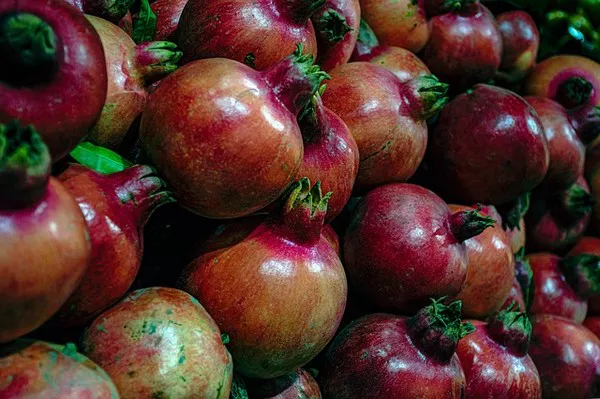
Pomegranates: Eating pomegranates symbolizes the hope for a year filled with good deeds, as the fruit is said to contain 613 seeds, corresponding to the 613 commandments in the Torah.
Fish Head: In some traditions, a fish head is served to symbolize the desire to be “head and not the tail.”
5. Reflection and Personal Growth
Rosh Hashanah is also a time for personal reflection and self-improvement. Many individuals take the opportunity to set intentions for the coming year, focusing on personal and spiritual growth.
When Does Rosh Hashanah End in 2026?
In 2026, Rosh Hashanah begins at sunset on Monday, September 21st, and ends at nightfall on Wednesday, September 23rd. The conclusion of Rosh Hashanah is marked by the Havdalah ceremony, separating the sacred time of the holiday from ordinary days.
Timing of Rosh Hashanah 2026:
Start Time: Sunset, September 21, 2026
End Time: Nightfall, September 23, 2026
Celebrating Rosh Hashanah in the UK
In the UK, Jewish communities celebrate Rosh Hashanah with vibrant traditions and customs. Synagogues host special services, and families gather to share festive meals. The sense of community is strong, as people come together to reflect, pray, and celebrate the New Year.
Community Involvement
In the UK, many Jewish organizations and communities organize events and activities during Rosh Hashanah. These may include community services, educational programs, and social gatherings that foster connection and support among members.
Cultural Significance
Rosh Hashanah in the UK is not only a religious observance but also a cultural event. It showcases the rich heritage of the Jewish community and serves as a reminder of the values of reflection, renewal, and community bonding.
See also: Is Rosh Hashanah Two Days?
Conclusion
Rosh Hashanah 2026 is a time of deep significance for the Jewish community, marking the New Year and offering an opportunity for reflection, repentance, and renewal. Spanning from the evening of September 21st to the evening of September 23rd, it is rich in customs and traditions. Festive meals, prayers, and rituals create a meaningful experience, fostering personal growth and a sense of belonging within the community.
Related topics: