
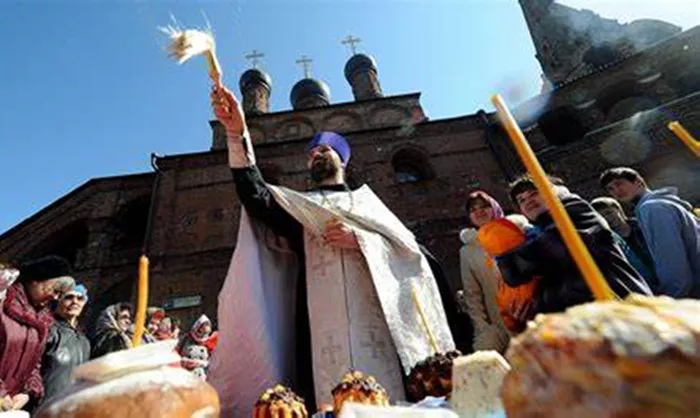
Easter is one of the most important holidays in the Christian calendar. It celebrates the resurrection of Jesus Christ, a central event in Christian theology. Easter is observed with joy, prayer, and various customs such as church services, Easter eggs, and family gatherings.
However, when we step into the world of Judaism—especially Orthodox Judaism—the perspective on Easter changes entirely. Orthodox Jews belong to a traditional and strict branch of Judaism. Their religious beliefs, calendar, and worldview differ sharply from Christian traditions.
This article explores whether Orthodox Jews celebrate Easter. To do this, we must first understand what Easter represents, how Orthodox Jews view Christian holidays, and the theological and historical differences that shape their practices.
Let’s begin by exploring what Orthodox Judaism believes and how these beliefs influence their interaction with non-Jewish holidays.
Orthodox Judaism: Foundations and Beliefs
Orthodox Judaism follows the Torah and Jewish law (Halacha) as strictly as possible. Its adherents believe that the Torah—both written and oral—was given to Moses by God at Mount Sinai. These laws are eternal and binding on every Jew.
Orthodox Jews maintain a deep commitment to tradition. They follow kosher dietary laws, keep the Sabbath, observe Jewish holidays, and live by a set of religious practices that shape their daily lives. Their lifestyle is centered around the synagogue, Torah study, and community life.
From this foundation, we can understand why Orthodox Jews are cautious about participating in non-Jewish customs. Their approach to religious observance is exclusive. It focuses entirely on Jewish identity and the covenant between God and the Jewish people.
This framework significantly influences how they view Christian festivals like Easter.
What Is Easter and What Does It Represent?
Easter is a Christian holiday that marks the resurrection of Jesus Christ from the dead. According to the New Testament, Jesus was crucified, died, and was buried. On the third day—Easter Sunday—he rose from the grave.
The event is seen as the fulfillment of prophecy and the cornerstone of Christian faith. Easter follows a period of mourning and preparation called Lent and culminates in a weekend of solemn observance, including Good Friday and Easter Sunday.
The holiday symbolizes victory over death, forgiveness of sin, and eternal life through faith in Jesus. Christians view it as a time of renewal and spiritual reflection.
However, Jesus is not recognized as the Messiah or a divine figure in Judaism. This fundamental theological difference creates a large gap between how Christians and Jews view holidays that center on Jesus.
The Jewish View of Jesus and Christian Theology
To understand why Orthodox Jews do not celebrate Easter, one must understand how Judaism views Jesus.
From a Jewish perspective, Jesus was a historical figure but not the Messiah. In fact, traditional Jewish teachings reject the idea that the Messiah has come. They believe that the true Messiah is yet to arrive and that he will fulfill specific messianic prophecies, such as rebuilding the Temple in Jerusalem, bringing universal peace, and gathering all Jews back to Israel.
Because Jesus did not fulfill these expectations, Judaism does not accept him as the Messiah. Furthermore, Judaism does not believe in the Trinity or the divine nature of Jesus—core principles of Christian theology.
Orthodox Jews view worship of any person, including Jesus, as a form of idolatry. This belief makes it religiously problematic for Orthodox Jews to take part in celebrations that honor Jesus in any way.
Christian Holidays in Jewish Law
According to Jewish law, celebrating or even participating in non-Jewish religious holidays is generally forbidden. This prohibition is based on several biblical and rabbinic sources. The Torah instructs the Jewish people not to adopt the customs of other nations, especially those that involve religious worship.
This includes holidays that are deeply rooted in other religions. Since Easter is directly tied to Christian theology and the figure of Jesus, Orthodox Jewish authorities classify it as a non-Jewish religious holiday that Jews must avoid.
This doesn’t mean Orthodox Jews are hostile to Christians. They often respect their neighbors’ faiths. But religious participation—attending Easter services, exchanging Easter greetings, or participating in Easter egg hunts—is viewed as inappropriate for an Orthodox Jew.
Halachic (Jewish Legal) Perspectives on Easter
Rabbinic authorities have discussed Christian holidays for centuries. In Jewish law, known as Halacha, the concept of “chukot ha-goyim”—the practices of other nations—is a serious consideration.
According to Maimonides and other medieval rabbis, Jews must avoid customs that reflect or honor non-Jewish religious ideas. That includes religious holidays such as Christmas and Easter.
Later authorities continued this tradition. Rabbi Moshe Feinstein, a leading 20th-century Orthodox rabbi, ruled that Jews should avoid participating in any way in non-Jewish religious holidays, even for the sake of social cohesion or friendship.
These rulings guide Orthodox Jewish behavior today. So, whether the question is about attending a Christian service or even sending a card, Orthodox Jews are taught to avoid any involvement.
What About Cultural Aspects of Easter?
Some people wonder whether Orthodox Jews might join in the non-religious or cultural parts of Easter, like egg decorating or chocolate bunnies. After all, these seem like harmless activities.
However, even cultural practices can be problematic if they are linked to religious holidays. Jewish law cautions against doing anything that might be interpreted as participating in a non-Jewish celebration. So even if Easter eggs are now seen as secular by many, their origins in fertility symbols and Christian tradition make them unsuitable for Orthodox Jewish homes.
That said, individual behavior can vary. Some non-Orthodox Jews, especially those who are Reform or secular, may choose to participate in cultural parts of Easter. But within the Orthodox community, the response is much more consistent: such practices are avoided.
Jewish Holidays Around Easter: Passover
Interestingly, one of the most important Jewish holidays—Passover—often falls around the same time as Easter. In fact, the Last Supper that Jesus shared with his disciples is thought by many scholars to have been a Passover meal.
Passover commemorates the Exodus, the biblical story of God delivering the Israelites from slavery in Egypt. It involves a week-long observance, including the Seder meal, the removal of leavened bread, and a deep focus on Jewish identity and freedom.
While Easter focuses on resurrection and spiritual renewal through Jesus, Passover emphasizes Jewish survival, liberation, and God’s faithfulness to the Jewish people.
These parallel holidays highlight the deep divide in theology and tradition. Orthodox Jews focus their spiritual energy on Passover during this season, not Easter.
Interactions Between Orthodox Jews and Christians During Easter
Orthodox Jews live in many countries where Easter is widely celebrated. This can create situations where they interact with Christians during Easter time—at school, work, or in public spaces.
In such cases, Orthodox Jews generally try to be respectful and polite. They may say “thank you” if someone offers an Easter greeting but will not respond with “Happy Easter.” They may accept kindness but avoid any gesture that seems like religious approval or celebration.
For example, a Jewish student may thank a teacher for a holiday break without engaging in Easter-themed activities. Similarly, a Jewish employee may be cordial to Christian coworkers but will not join Easter luncheons or religious events.
The Importance of Religious Boundaries
Orthodox Judaism places great importance on maintaining clear religious boundaries. These boundaries help preserve Jewish identity in a world where assimilation is a constant concern.
Celebrating non-Jewish religious holidays is seen as a slippery slope. It risks weakening the spiritual foundations of Jewish life. Therefore, Orthodox communities stress the value of keeping Jewish customs distinct and resisting the urge to blend in with surrounding cultures—especially during religious festivals.
This isn’t about judgment. It’s about preserving a sacred covenant. In this light, not celebrating Easter is not simply about rejection; it’s a form of religious faithfulness.
Children and Community Education
Orthodox Jewish communities invest heavily in educating their children about Jewish law, history, and identity. From an early age, children are taught the differences between Judaism and other religions. They learn why certain holidays, like Easter and Christmas, are not part of Jewish life.
Jewish schools often hold special lessons during the spring to focus on Passover and remind children not to participate in Easter activities. Teachers and parents explain these matters gently but clearly.
This education helps Orthodox children grow up with a strong sense of who they are. It also equips them to navigate a society that celebrates holidays they don’t observe.
Modern Challenges in a Diverse Society
In today’s globalized world, it can be challenging for religious minorities to hold on to their traditions. Media, advertising, and peer pressure can make non-Jewish holidays seem attractive.
Orthodox Jews face these pressures but respond by strengthening their own practices. They emphasize the beauty of Jewish holidays like Passover, Purim, and Hanukkah. They also build strong community bonds that help resist cultural dilution.
Technology has added new layers to this challenge. Social media, TV, and online platforms often promote Easter in subtle and overt ways. Orthodox families limit exposure and use these moments as teaching opportunities.
Conclusion: A Clear Religious Distinction
So, do Orthodox Jews celebrate Easter?
No, they do not. Orthodox Jews refrain from celebrating Easter due to theological, historical, and legal reasons. The holiday centers on beliefs that are incompatible with Jewish teachings, especially the divinity and resurrection of Jesus.
Instead, Orthodox Jews focus on their own spiritual calendar. Around Easter, they prepare for Passover—a celebration deeply rooted in Jewish history and identity.
This distinction is not about hostility but about faithfulness. It reflects the deep commitment of Orthodox Jews to their religious heritage and the boundaries that preserve it.
Understanding this helps build respect between communities. It allows people of different faiths to coexist with dignity and clarity. And it reminds us that religious observance is not just about celebration—it’s about identity, memory, and meaning.
Related topics: