
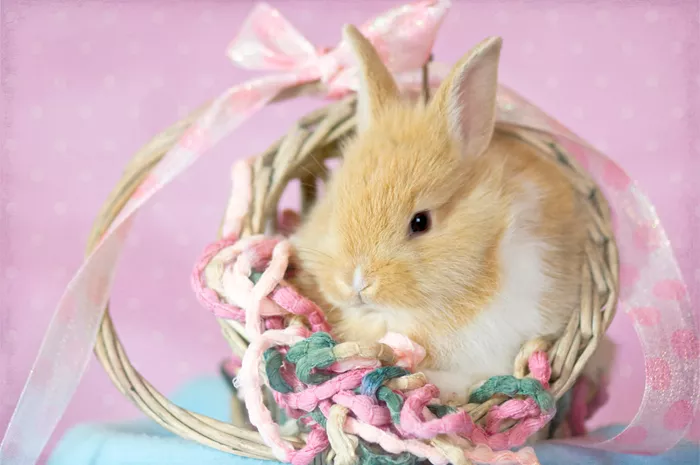
Easter is a time of joy, rebirth, and celebration. For many families, the Easter Bunny plays a central role in the holiday. Children wake up to find colorful eggs, chocolate treats, and surprises—all left by a mysterious rabbit known as the Easter Bunny. But have you ever stopped to ask: what does the real Easter Bunny actually look like? Is there a real animal behind the legend? Is the Easter Bunny based on a specific type of rabbit? Or is it just a myth that evolved over time?
In this article, we will explore the origins, symbolism, cultural representations, and biological inspirations of the Easter Bunny. We will uncover how the idea of this rabbit has changed over the centuries and what animal in real life might resemble this legendary figure. While the Easter Bunny may be imaginary, it is rooted in deep cultural and natural symbols that make it feel real for many people.
The Origin of the Easter Bunny
The Easter Bunny did not appear out of nowhere. Its story begins hundreds of years ago in Europe. Like many holiday traditions, the Easter Bunny is a blend of folklore, religion, and seasonal celebration.
A Pagan Beginning
Before Easter became a Christian holiday, spring festivals were already common in Europe. These festivals celebrated the rebirth of nature after the long winter. One of the most important symbols in these festivals was the rabbit. Rabbits have long been associated with fertility and new life because of their ability to reproduce quickly. The arrival of spring meant new growth, and rabbits were often seen as signs of that change.
There is also the ancient goddess Ēostre, a Germanic goddess of spring and fertility. According to some legends, her sacred animal was the hare. Over time, stories of this goddess merged with Christian celebrations of Easter, and the rabbit—or hare—became connected with the resurrection of Jesus.
Christian Adaptation
As Christianity spread across Europe, it adopted and reshaped many existing customs. The celebration of Easter, which marks the resurrection of Christ, happened during the springtime. Since rabbits were already symbols of life and renewal, they became part of this new Christian holiday.
The first written reference to the Easter Bunny comes from 17th-century Germany. The story described a hare that laid colorful eggs and hid them in gardens. German immigrants brought this tradition to America in the 1700s, especially in Pennsylvania. There, the “Osterhase” or “Easter Hare” became popular among children.
Rabbit or Hare: What’s the Difference?
When we imagine the Easter Bunny, we often think of a small, fluffy rabbit with big ears and a twitchy nose. But early versions of the Easter Bunny were not rabbits at all—they were hares. Understanding the difference helps us get closer to what the real Easter Bunny might have looked like.
Physical Differences
Hares are generally larger than rabbits. They have longer ears and more powerful hind legs. Hares are also more independent. They live above ground and are born with fur and open eyes. Rabbits, on the other hand, usually live in burrows and are born blind and hairless.
The physical look of a hare—tall, strong, and alert—matches older images of the Easter Bunny. If the tradition started with a hare, then the real Easter Bunny may have looked more like a European brown hare than a domestic bunny.
The European Brown Hare: A Likely Model
If we want to imagine the real Easter Bunny as it was seen in earlier times, the European brown hare is the best choice. This animal fits the description in early stories and matches the cultural image of springtime fertility.
Appearance
The European brown hare is elegant and agile. It has a reddish-brown coat, large dark eyes, and very long ears with black tips. Its hind legs are muscular and powerful, built for running and jumping. When it runs, it can reach speeds of up to 45 miles per hour.
This appearance gives the hare a magical feel. Its speed and beauty make it a creature of wonder. It is no surprise that people saw something special in the hare and built stories around it.
Behavior
The brown hare is solitary and shy. It prefers open fields and meadows. In the spring, males fight for the attention of females, sometimes “boxing” with their front paws. This odd behavior, visible in the open countryside, has captured the imagination of humans for centuries.
The brown hare does not build a nest underground like a rabbit. Instead, it rests in a shallow dip in the ground called a “form.” It may have been this ground-nesting habit that led to stories about hares laying eggs in fields.
The Transition to a Friendly Bunny
Over time, the hare transformed into a gentler, friendlier rabbit in modern culture. This change had to do with shifting ideas about children, animals, and holidays.
Domesticated Rabbits in America
When German immigrants brought the story of the Easter Bunny to America, it met a new audience. Americans were already familiar with domesticated rabbits—small, round, and cuddly animals that made popular pets.
In children’s books and illustrations, the hare gradually became a rabbit. Its wildness was softened. Its alert, athletic body was replaced with a chubby, approachable look. The Easter Bunny became less like a wild creature and more like a toy or character. This made it easier for children to connect with the figure.
Cultural Representations
By the 19th and 20th centuries, the Easter Bunny was appearing in candy shops, greeting cards, and Easter decorations. Artists often drew the bunny wearing clothes, carrying baskets, and delivering eggs like a human. These images helped create a version of the Easter Bunny that was cute and marketable.
In this form, the Easter Bunny no longer looked like a real animal. It became a symbol—part rabbit, part human, and fully magical.
Symbolism Behind the Easter Bunny
Understanding what the real Easter Bunny looks like also means understanding what it means. The rabbit is not just an animal—it is a powerful symbol in many cultures.
Fertility and New Life
As mentioned earlier, rabbits are famous for reproducing quickly. This has made them symbols of fertility and new beginnings. In a spring holiday like Easter, these ideas are central. The rabbit reminds people that life goes on, that the world is being renewed.
Transformation and Growth
In Christian belief, Easter is about resurrection—about death giving way to life. The rabbit, which lives quietly in the ground and emerges in spring, fits this theme. It becomes a quiet witness to the miracle of rebirth.
Innocence and Joy
For children, the Easter Bunny represents fun and surprise. It brings gifts and candy, much like Santa Claus. The bunny is a symbol of kindness, joy, and the innocent happiness of childhood. This emotional meaning is just as important as the physical image.
Easter Bunny in Global Traditions
While the Easter Bunny is popular in Western cultures, other countries celebrate Easter in different ways. Not every culture uses a rabbit to mark the holiday.
Switzerland: The Cuckoo
In some parts of Switzerland, a cuckoo bird, not a rabbit, delivers eggs. This reflects different local beliefs and symbols of spring.
Australia: The Bilby
In Australia, rabbits are considered pests because they damage crops. As a result, some Australians promote the “Easter Bilby” instead. The bilby is a small, long-eared marsupial native to Australia. It serves as a local and environmentally friendly alternative to the rabbit.
These examples show that while the image of the Easter Bunny is powerful, it is not the only way to celebrate the season. Each region chooses symbols that match its environment and culture.
Modern Media and the Changing Face of the Bunny
Movies, books, and advertising have played a huge role in shaping what people think the Easter Bunny looks like. Today, the bunny may appear in many different forms.
Animated Bunnies
In films and television, the Easter Bunny is often animated. It might be voiced by a celebrity or shown as a superhero, prankster, or even a wise old character. These versions add layers of personality to the bunny but take it further away from its natural roots.
Costumed Figures
At malls and events, people dress up in bunny costumes for Easter. These outfits are usually large, plush, and cartoon-like. The eyes are wide, the nose wiggles, and the colors are soft and inviting. This version of the Easter Bunny is made to comfort and entertain children.
Toys and Merchandise
Stuffed animals, chocolate molds, and plastic figures also help shape our image of the Easter Bunny. These items are often based on the cute, round version of the rabbit. Rarely do they reflect the lean, wild form of a hare.
Bringing It Back to Nature
Despite all the modern changes, the heart of the Easter Bunny remains connected to the natural world. If we look closely, we can still find echoes of the original animal that inspired the story.
Wild Rabbits in Spring
In many rural areas, wild rabbits are most visible in the spring. They hop through gardens and fields, just as the old stories say. Children who spot these animals may be seeing a version of the Easter Bunny in real life.
Nature Walks and Egg Hunts
Some families choose to celebrate Easter with outdoor activities. They go on walks in the woods, have egg hunts in gardens, or visit farms. These experiences help reconnect the holiday to the natural cycle of life and the real animals that inspired it.
Conclusion: What Does the Real Easter Bunny Look Like?
So what does the real Easter Bunny look like? The answer depends on how you define “real.”
If we mean the original creature behind the legend, then the Easter Bunny looks like a European brown hare—tall, fast, wild, and graceful.
If we mean the modern symbol of Easter, then the Easter Bunny is a soft, chubby, friendly rabbit with a basket full of joy.
Both images are valid. One comes from nature, the other from imagination. Together, they show how humans blend the real world with stories to create meaning.
The Easter Bunny is more than just an animal. It is a symbol of life, hope, and celebration. And whether it hops through meadows or shopping malls, its spirit continues to bring joy every spring.
Related topic: