
Chile is a country of remarkable diversity. Stretching along South America’s western edge, it runs from the driest desert on Earth in the north to icy fjords and glaciers in the south. Amid this diversity lies one of the world’s most fascinating and mysterious places: Easter Island, or Rapa Nui, as it is known in the native language.
Though Easter Island is more than 3,500 kilometers away from mainland Chile, it is part of the country’s territory and holds great cultural and historical significance. Together, Chile and Easter Island create a unique cultural mosaic that blends indigenous traditions, colonial history, and modern Latin American identity. In this article, we will explore the relationship between Chile and Easter Island, focusing on their history, cultural connections, people, festivals, and the continuing significance of this remote island in the Pacific Ocean.
The Geography of Isolation
Chile: A Narrow, Long Strip of Land
Chile is a long, narrow country that spans more than 4,200 kilometers from north to south. Its average width, however, is just about 180 kilometers. This geography gives Chile a vast range of climates and ecosystems—from deserts to forests, from lakes to mountains. Its coastline runs along the Pacific Ocean, making it a maritime nation with a deep connection to the sea.
Easter Island: Remote But Relevant
Easter Island is one of the most remote inhabited islands in the world. Located in the southeastern Pacific Ocean, it sits more than 3,500 kilometers west of the Chilean mainland. Despite its distance, it has been part of Chile since 1888, when the island was annexed by the South American country. With its volcanic landscape, rocky shores, and windswept plains, Easter Island stands in stark contrast to the mainland’s geography.
Yet, despite the physical separation, Easter Island and Chile are tied together by political, cultural, and emotional bonds.
A Shared History: Colonization and Integration
Rapa Nui Before Contact
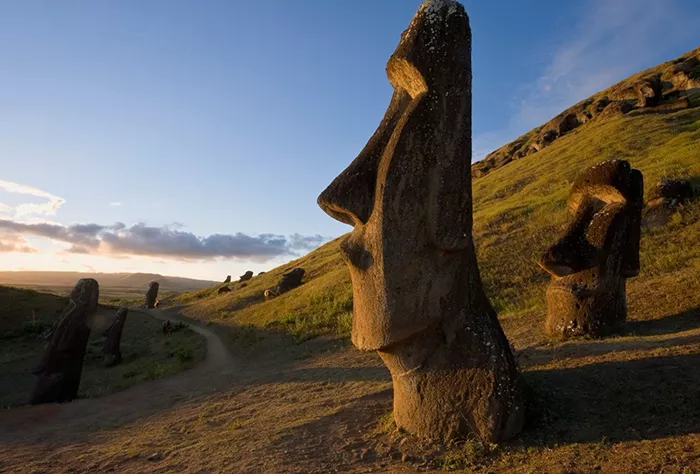
Before European explorers arrived, Easter Island was settled by Polynesians, likely around 1200 CE. These early settlers developed a complex society with unique religious and cultural practices. They are best known for building the moai—massive stone statues that dot the island’s landscape. These statues, carved from volcanic rock, represent ancestors or important figures and were central to Rapa Nui religious life.
European Discovery and Decline
In 1722, Dutch explorer Jacob Roggeveen arrived on the island on Easter Sunday, which gave the island its Western name. Later came Spanish, British, and French explorers. By the late 19th century, Easter Island was suffering from slave raids, disease, and environmental decline, which devastated the local population and culture.
Annexation by Chile
In 1888, Chile formally annexed Easter Island through a treaty with the local Rapa Nui leaders. This began a long and often controversial relationship. The island became a territory of Chile, but its people struggled to maintain their autonomy and cultural identity under foreign governance. For decades, the Chilean navy controlled much of the island’s activity, and the local people had limited rights.
It wasn’t until the mid-20th century that Rapa Nui residents were granted Chilean citizenship and legal recognition. Even today, debates continue about land rights, cultural preservation, and political autonomy.
Cultural Identity: Where Two Worlds Meet
The Rapa Nui People
The native people of Easter Island, known as the Rapa Nui, maintain a strong cultural identity rooted in Polynesian traditions. Their language, customs, and ceremonies reflect their Pacific heritage. At the same time, they are citizens of Chile, speak Spanish, and participate in the broader Chilean society.
Language and Religion
The Rapa Nui language is a Polynesian language that is still spoken by many islanders, although it is endangered. Spanish is also widely used and is the language of instruction in schools. Religious beliefs have also evolved. Traditional spiritual beliefs once centered on ancestor worship and the cult of the birdman. Today, most Rapa Nui people identify as Catholic, a legacy of missionary influence.
Chilean Influence and Education
Since annexation, Chile has played a role in shaping the island’s infrastructure, health care, and education. Schools follow the Chilean curriculum, and students often go to the mainland for higher education. Chilean culture, including food, music, and political life, influences everyday life on the island. Yet, the Rapa Nui people remain committed to preserving their heritage.
Festivals and Celebrations
Tapati Rapa Nui: A Celebration of Identity
One of the most important cultural events on Easter Island is the Tapati Rapa Nui Festival, held every February. This festival celebrates Rapa Nui heritage through music, dance, sports, and art. It lasts about two weeks and involves the entire island community.
Participants divide into teams representing different clans. They compete in traditional events such as canoe races, body painting contests, banana trunk sliding, and singing competitions. The festival culminates in the crowning of a festival queen, chosen based on the team’s performance.
Tapati is more than just entertainment. It is a statement of identity and resilience. It helps pass on traditions to younger generations and draws attention from tourists, scholars, and media from around the world.
Chilean National Holidays
While Easter Island has its own unique traditions, it also observes national holidays celebrated across Chile. These include Fiestas Patrias (Chilean Independence Day) on September 18, which involves parades, music, and traditional food. On Easter Island, these holidays are celebrated with a local twist, often including Polynesian elements.
Tourism and Economy
A Double-Edged Sword
Tourism is a major part of Easter Island’s economy. Visitors come from around the world to see the moai, explore archaeological sites, and learn about Rapa Nui culture. However, the growing number of tourists has raised concerns about environmental degradation and cultural exploitation.
The Chilean government and local leaders have taken steps to regulate tourism. This includes limiting the number of visitors and requiring permits to enter certain sacred sites. Tourism brings revenue and jobs, but it must be balanced with respect for local traditions and the environment.
Economic Ties with Mainland Chile
Easter Island depends on Chile for many resources, including food, fuel, medical supplies, and education funding. Air travel connects the island to Santiago, Chile’s capital, with regular flights by LATAM Airlines. Though shipping goods over such a long distance is expensive, Chile ensures that the island has access to basic necessities.
Preserving Heritage in the Modern Age
Cultural Revival Movements
In recent decades, there has been a strong push among the Rapa Nui people to revive and protect their culture. This includes teaching the Rapa Nui language in schools, restoring traditional dances, and promoting local arts and crafts. Cultural centers and museums play a key role in this movement.
Archaeological Research
Easter Island is also a major site for archaeological research. Scholars from Chile and around the world study its ruins, statues, and burial sites to better understand its past. The Chilean government supports much of this research and works with international organizations to preserve the island’s heritage.
UNESCO World Heritage Status
In 1995, UNESCO designated Easter Island a World Heritage Site, recognizing its unique cultural and historical importance. This status has helped raise global awareness and funding for preservation efforts.
Modern Challenges and Local Voices
Climate Change and Sustainability
Like many Pacific islands, Easter Island faces threats from climate change. Rising sea levels, changes in rainfall, and invasive species threaten both natural and cultural landmarks. Local leaders have called for more support from the Chilean government and international community to protect the island.
Autonomy and Self-Governance
There are ongoing discussions about the island’s political status. Some Rapa Nui activists advocate for more autonomy or even independence. They argue that the Chilean government has not always respected their land rights or cultural values. Others see benefits in remaining part of Chile but want more local control over resources and decision-making.
Balancing Development and Tradition
As Easter Island develops infrastructure—like roads, hotels, and internet access—local communities face difficult questions. How can they modernize without losing their cultural soul? How much influence should the Chilean state have in local affairs? These debates reflect the broader challenge of preserving tradition in a changing world.
The Symbolic Connection
Easter Island in the Chilean Imagination
Despite its distance, Easter Island holds a special place in Chilean national identity. It represents mystery, beauty, and resilience. Schoolchildren across Chile learn about the moai and the island’s rich history. For many Chileans, the island is a symbol of their country’s cultural diversity and geographic reach.
Rapa Nui as a Cultural Ambassador
Through festivals, art, and tourism, Easter Island serves as a bridge between Chile and the Pacific. Rapa Nui dancers often perform at national events in Santiago and other cities. Their presence reminds Chileans of their connection to a larger cultural world beyond South America.
Conclusion
Chile and Easter Island share a relationship that is both complex and evolving. Though separated by thousands of kilometers of ocean, they are linked by history, governance, and a shared future. The people of Rapa Nui have preserved their identity in the face of colonization, globalization, and modern development. At the same time, Chile has provided infrastructure, political recognition, and opportunities for the island.
As the world grows more interconnected, the challenges of preserving cultural heritage, managing tourism, and promoting autonomy will only grow. But if both sides continue to listen, learn, and respect one another, the relationship between Chile and Easter Island can remain strong—honoring the past while building a sustainable future.
Related topics: