
Easter and Passover are two important holidays in their respective religious traditions: Christianity and Judaism. At first glance, these two celebrations may seem to overlap in timing and some symbolic meanings. However, Easter and Passover are distinct holidays with unique origins, customs, and spiritual significance. In this article, we will explore whether Easter is ever referred to as Passover, looking at both the religious and historical contexts in which these holidays are celebrated. By examining the connections between Easter and Passover, we will see how they intersect and diverge in the ways they are observed by different faith communities.
The Origins of Passover
Passover, or Pesach in Hebrew, is one of the most significant holidays in Judaism. It commemorates the Israelites’ liberation from slavery in Egypt, as described in the Book of Exodus. According to Jewish tradition, the Israelites were enslaved for hundreds of years under the Pharaoh of Egypt. The holiday marks the moment when God, through Moses, freed the Israelites and led them to the promised land.
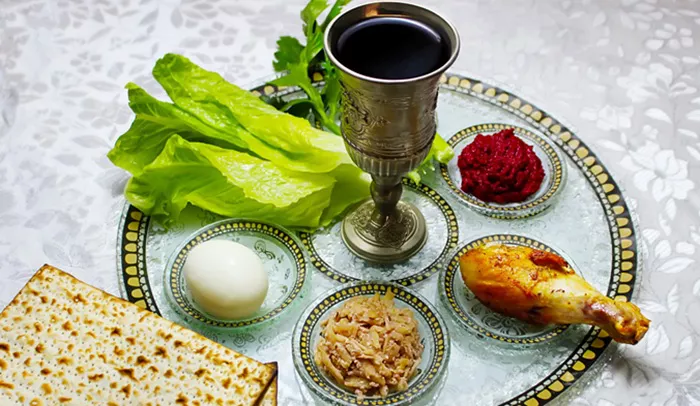
The central event of Passover is the Seder meal, where families gather to eat symbolic foods, read the story of Exodus, and celebrate the freedom of the Israelites. The date of Passover is set according to the Hebrew lunar calendar, which is why the holiday can fall on different dates each year in the Gregorian calendar, though it usually occurs in March or April.
The Key Elements of Passover
The Seder Plate: A central feature of the Passover celebration, the Seder plate holds symbolic foods that represent different aspects of the Exodus story.
Matzah: Unleavened bread, symbolizing the haste in which the Israelites had to leave Egypt, not having time for their bread to rise.
The Four Questions: A set of questions asked during the Seder to prompt the telling of the Exodus story.
Passover is not just a remembrance of a historical event but also a time for Jewish people to reflect on the themes of freedom, redemption, and the enduring covenant between God and the Jewish people.
The Origins of Easter
Easter is the most important celebration in the Christian calendar, marking the resurrection of Jesus Christ from the dead, as recounted in the New Testament of the Bible. According to Christian belief, Jesus was crucified and died for the sins of humanity. His resurrection three days later is seen as the foundation of the Christian faith, symbolizing victory over death and the promise of eternal life.
Unlike Passover, which has its roots in ancient Jewish traditions, Easter is rooted in the life of Jesus Christ, who lived in the first century CE in the Roman province of Judea. The date of Easter also varies each year, as it is determined by the first Sunday following the first full moon after the spring equinox, which is why Easter can fall anywhere between March 22 and April 25.
The Key Elements of Easter
The Resurrection: The resurrection of Jesus is the central theme of Easter. Christians believe that Jesus rose from the dead, proving his divinity and offering the promise of salvation.
The Easter Vigil: Many Christian denominations celebrate the Easter Vigil on the night before Easter Sunday, marking the transition from darkness to light, symbolizing the resurrection.
The Easter Egg: The egg is a symbol of new life, and in many cultures, it has become a central part of the Easter celebration.
Easter, like Passover, is a time for reflection, but its focus is on the life, death, and resurrection of Jesus, and the salvation that Christians believe he offers through his sacrifice.
Is Easter Called Passover?
Now that we’ve established the origins and meanings of Passover and Easter, let’s address the main question: Is Easter called Passover?
While Easter and Passover are often celebrated around the same time, they are not the same holiday. However, there are significant connections between the two.
The Timing of Easter and Passover
One of the most notable similarities between Easter and Passover is the timing of the two holidays. Both holidays are observed in spring, and both are linked to events that occurred during the time of the Jewish Exodus. The Last Supper that Jesus shared with his disciples before his crucifixion is often understood to be a Passover Seder, where they celebrated the Passover meal together. This is one reason why the two holidays overlap in timing and why the events surrounding Jesus’ crucifixion and resurrection are linked to the Passover story.
In fact, the word “Passover” does come up in the context of Easter, particularly in the Christian tradition. Some Christians refer to Easter as the Christian Passover, viewing the death and resurrection of Jesus as the ultimate fulfillment of the themes of Passover. The Apostle Paul, in his first letter to the Corinthians, refers to Christ as the “Passover lamb” who was sacrificed for the redemption of humanity (1 Corinthians 5:7). This connection between Jesus’ sacrifice and the Passover lamb is central to Christian theology.
Differences in Meaning and Significance
Despite the overlap in timing, the meaning and spiritual focus of the two holidays are distinct. Passover celebrates the physical freedom of the Israelites from slavery, while Easter celebrates the spiritual freedom that Christians believe comes through the death and resurrection of Jesus Christ.
- Passover is a celebration of historical deliverance and freedom from physical bondage.
- Easter is a celebration of spiritual redemption and eternal life through Christ.
Though both holidays emphasize freedom and deliverance, they do so in very different contexts, and each has a unique role in its respective religious tradition.
The Passover and Easter Connection in Christian Traditions
In early Christianity, the date of Easter was often linked to the Jewish Passover. Early Christians, who were primarily Jewish, would have observed Easter in conjunction with the Passover. This connection is still reflected in the language used by many Christian denominations, where Easter is often referred to as the “Paschal Feast” or the “Paschal Mystery”, both terms derived from the Hebrew word “Pesach” (Passover).
In fact, the Council of Nicaea in 325 CE established a formula for determining the date of Easter that took into account the timing of Passover, ensuring that Easter would always be celebrated after Passover.
How Do Easter and Passover Reflect Different Theological Views?
While both holidays share themes of liberation, theologically, the meanings diverge based on the different beliefs of Jews and Christians. For Jews, Passover is a reminder of God’s saving acts in history, as well as a commemoration of the covenant between God and the people of Israel. For Christians, Easter is a time to remember Christ’s triumph over death, a central tenet of Christian faith that promises salvation to believers.
Both holidays emphasize freedom—Passover’s physical freedom from slavery and Easter’s spiritual freedom from sin and death. But the differences in how freedom is understood and celebrated make Easter and Passover two very distinct observances.
Conclusion
In conclusion, while Easter and Passover share a timing connection and have overlapping themes of liberation, they are not the same holiday, nor is Easter ever officially called Passover. They each hold a unique place in the religious traditions of Judaism and Christianity. Passover remains a deeply meaningful holiday for Jews, celebrating their ancestors’ deliverance from slavery in Egypt, while Easter is a cornerstone of Christian faith, marking the resurrection of Jesus and the promise of eternal life.
Though they may intersect in history and symbolism, Passover and Easter are distinct, and their spiritual significance differs greatly depending on one’s faith and tradition.
Both holidays offer valuable insights into the themes of freedom, deliverance, and hope, each in their own way. Whether you celebrate Passover or Easter, or both, these holidays are an opportunity for reflection on faith, sacrifice, and the promise of a better future.
Related topics: