
Easter brings joy to families and communities around the world, and plastic Easter eggs are a popular item used during the holiday. These colorful, often filled with treats or toys, add excitement to egg hunts and family celebrations. However, once the Easter festivities are over, these plastic eggs can pile up. The challenge then becomes, what should you do with them? Throwing them away seems wasteful, especially considering their durability. But with some creativity and a bit of thoughtfulness, there are many ways to reuse, recycle, or repurpose plastic Easter eggs. This article will explore some of the best options, from crafts to educational uses, and even ways to incorporate these eggs into your everyday life.
Why Should We Reuse Plastic Easter Eggs?
Before diving into the different ways you can reuse plastic Easter eggs, it’s important to understand why this is a good idea. Many plastic items, especially single-use ones, contribute significantly to waste. According to studies, the amount of plastic waste in landfills continues to increase, and single-use plastics like Easter eggs can take hundreds of years to decompose. By reusing them, you are reducing waste and encouraging a more sustainable lifestyle. Furthermore, plastic Easter eggs are often made from durable materials, meaning they can last long beyond their intended use. Let’s explore how you can extend the life of these festive items.
1. Crafting Projects with Plastic Easter Eggs
One of the most popular and fun ways to reuse plastic Easter eggs is through various crafting projects. Whether you enjoy making decorative items or engaging in hands-on activities with kids, there are endless possibilities.
Decorative Bowls or Trays
Plastic Easter eggs can be transformed into colorful, decorative bowls or trays. By gluing them together in a circular or geometric pattern, you can create unique, eye-catching home decor. Use a hot glue gun to attach the eggs, stacking them in layers if desired. Once assembled, you can paint the eggs in your preferred color scheme or even add embellishments like rhinestones, beads, or glitter to enhance the look.
Easter Egg Wreaths
Another creative option is to make a wreath. Simply glue the plastic eggs onto a circular base, such as a foam wreath frame, and add ribbons, flowers, or seasonal decorations. This wreath can then be hung on a door or used as a centerpiece for your home. It’s an excellent way to repurpose those extra plastic eggs and create a beautiful decoration for future holidays.
Easter Egg Ornaments
Plastic Easter eggs can be turned into hanging ornaments for your Christmas tree or any seasonal decor. Paint them in vibrant colors, add glitter, and tie a ribbon to the top for easy hanging. You can even use a sharpie to draw fun designs or personal messages on them.
DIY Planters
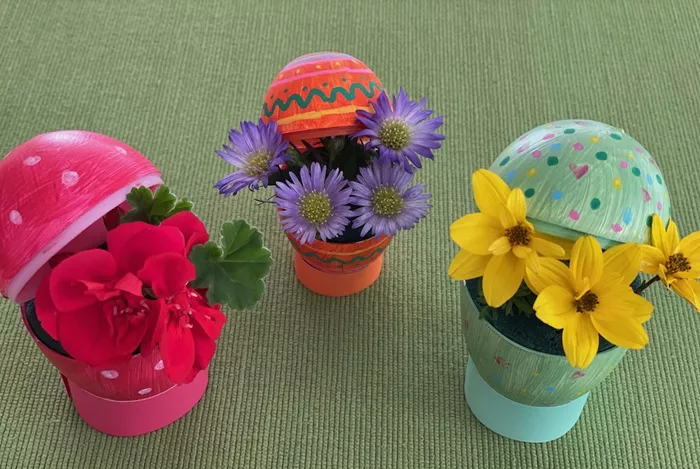
You can also turn plastic Easter eggs into small planters for succulents or tiny plants. Drill a small hole in the bottom of the egg for drainage, fill it with a little potting soil, and plant your favorite mini plants. These mini planters can make for great gifts or fun decorative pieces for windowsills.
Eggshell Art
For a unique twist on traditional Easter egg decorations, you can create art pieces using broken plastic Easter eggs. The jagged edges can be used to form mosaic-like designs. Use the colorful pieces to make a larger image, such as a flower, animal, or abstract design. This is an excellent craft idea for children as well.
2. Educational and Organizational Uses
Plastic Easter eggs can also be highly functional in educational settings and for organizing your home.
Learning Tools for Children
Plastic eggs can become useful learning aids for young children. You can place different objects inside the eggs, such as small toys, puzzle pieces, or even beads in various colors. These can be used to teach color recognition, sorting, matching, and even counting. You can also use them for phonics activities by placing letters or sounds inside each egg and using them for games.
Counting and Math Games
Another way to use plastic Easter eggs in education is by turning them into counting tools. Write numbers or mathematical symbols on the eggs and encourage children to perform simple addition, subtraction, or multiplication exercises. You can also hide small coins or plastic shapes inside the eggs to help children with their counting skills.
Sensory Bins for Toddlers
For toddlers, plastic Easter eggs can be placed in sensory bins filled with rice, beans, or sand. The eggs can be opened and closed, adding an element of fine motor skills practice while providing sensory stimulation. You can also hide small toys or figurines inside the eggs to turn this activity into a treasure hunt game.
Classroom Organization
Plastic Easter eggs are also handy for organizing classroom supplies. Teachers can store small items like erasers, paper clips, or even individual markers inside the eggs. Labeling each egg with a color or number helps keep materials organized and easy for students to find.
3. Practical Uses Around the House
Plastic Easter eggs can have a surprising number of practical applications around the house, making them valuable year-round.
Storage for Small Items
One simple and practical use for plastic Easter eggs is storing small items that tend to get lost easily. They can be used to store jewelry, buttons, loose coins, or hair accessories. Their compact size makes them perfect for keeping such items organized in drawers, boxes, or even travel bags.
Gift Wrap Alternatives
If you have leftover Easter eggs, consider using them for packaging small gifts. Simply fill them with tiny treats, toy figurines, or other small gifts and tie them with a ribbon. These can be a fun and eco-friendly way to wrap little presents for birthdays, baby showers, or other occasions.
Homemade Stress Balls
Another unique and practical idea is to turn plastic Easter eggs into stress balls. Fill the eggs with flour, rice, or even glitter, and seal them shut. The result is a squishy, fun object that can be used for stress relief or as a sensory toy for kids with special needs.
Pet Toys
Plastic Easter eggs can also be used as simple toys for small pets like hamsters, guinea pigs, or rabbits. Fill the eggs with small treats or shredded paper to encourage your pets to explore and play. Just be sure to supervise their playtime to ensure they don’t ingest the plastic.
4. Sustainable Ways to Dispose of Plastic Easter Eggs
Sometimes, you might have plastic Easter eggs that you can’t or don’t want to reuse. In such cases, it’s important to dispose of them in a responsible manner. Simply throwing them away may contribute to unnecessary waste, but there are better ways to handle them.
Recycling
Before throwing away plastic Easter eggs, check with your local recycling facility to see if they can be recycled. Many plastic items can be recycled, but it depends on the type of plastic. If they are made from a recyclable plastic material, it’s a great idea to send them to the recycling bin instead of the landfill.
Upcycle for Charity
Another option is to upcycle your plastic Easter eggs into something useful for charitable organizations. Many nonprofits, particularly those focused on children’s programs, might accept donated plastic Easter eggs to reuse for their own holiday events or crafts. Consider reaching out to local community centers or schools to see if they could use them.
5. How to Store Plastic Easter Eggs for Future Use
If you plan to keep your plastic Easter eggs for future use, proper storage is key to maintaining their condition. Here are some tips on how to store them:
Keep Them in a Safe Container
Use a storage bin with a lid to store the eggs. This will keep them clean and organized, preventing them from becoming damaged or lost over time. Label the container so you know what’s inside when you’re ready to use them again.
Store Them by Color or Size
If you have a large collection of plastic Easter eggs, you might want to sort them by color or size. This will make it easier to access the eggs when you need them for a particular project or event. Sorting the eggs can also help when planning themed decorations or activities.
Conclusion
Plastic Easter eggs are more than just a seasonal decoration. They offer endless possibilities for reuse, creativity, and practical applications. From fun crafts and educational tools to functional household items, these colorful plastic eggs can serve a variety of purposes throughout the year. By reusing and repurposing them, you contribute to reducing waste, promoting sustainability, and even having fun along the way. Whether you choose to keep them for future Easter celebrations or transform them into something entirely new, plastic Easter eggs are versatile and eco-friendly when approached with a little creativity.
Related topics: