
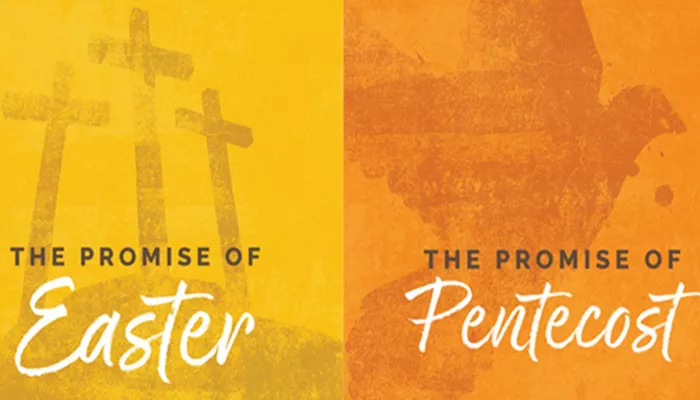
The period between Easter and Pentecost is one of the most significant in the Christian liturgical calendar. It spans fifty days, beginning with Easter Sunday, which celebrates the resurrection of Jesus Christ, and culminates on Pentecost, which commemorates the coming of the Holy Spirit. This time is filled with profound theological meaning and events that shaped the early Christian church.
This article will explore the key moments, theological implications, and cultural significance of the time between Easter and Pentecost, from the resurrection of Jesus to the coming of the Holy Spirit.
The Resurrection of Jesus: The Foundation of Easter
Easter marks the most important event in Christianity—the resurrection of Jesus Christ from the dead. According to Christian belief, Jesus was crucified on Good Friday and laid to rest in a tomb. On the third day after His death, which is celebrated as Easter Sunday, Jesus rose from the dead. This miraculous event signifies victory over sin and death, offering believers the hope of eternal life.
The resurrection of Jesus is central to the Christian faith, confirming His divinity and the truth of His teachings. The resurrection also marks the beginning of the post-resurrection period, where Jesus appeared to His disciples and followers over forty days.
Jesus Appears to His Disciples
In the days following His resurrection, Jesus appeared multiple times to His disciples and followers. These appearances were crucial, as they strengthened the faith of the disciples and affirmed the truth of His resurrection.
Appearance to Mary Magdalene and the Women
One of the first appearances occurred to Mary Magdalene and other women who visited the tomb. When they discovered that the tomb was empty, they were initially filled with fear and confusion. However, Jesus appeared to Mary and spoke to her, reassuring her that He had indeed risen.
This encounter became an essential testimony of the resurrection, as Mary Magdalene and the women were the first to witness the risen Christ. Their experience serves as a pivotal moment in the early Christian narrative.
Appearance to the Disciples on the Road to Emmaus
Another key post-resurrection event was Jesus’ appearance to two disciples on the road to Emmaus. They were traveling to the village, discussing the events of Jesus’ death and the rumors of His resurrection. Jesus, though unrecognized at first, explained how the Scriptures foretold His death and resurrection. Upon breaking bread with them, their eyes were opened, and they recognized Jesus, who then vanished from their sight. This event underscored the fulfillment of prophecy and the deepening understanding of Jesus’ mission.
Jesus Appears to His Disciples in the Upper Room
Jesus also appeared to His disciples in the locked upper room. He greeted them with peace and showed them His wounds, confirming that He was indeed the same Jesus who had been crucified. This was a moment of reassurance and empowerment for the disciples, who had previously been scattered in fear. Jesus also breathed on them, saying, “Receive the Holy Spirit” (John 20:22), which foreshadowed the coming of the Holy Spirit at Pentecost.
The Great Commission: Spreading the Gospel
Before His ascension into heaven, Jesus gave His disciples the Great Commission, a command to go and make disciples of all nations (Matthew 28:19). This instruction marked the beginning of the apostles’ mission to spread the Gospel and establish the Christian church worldwide.
The disciples were charged with baptizing and teaching in the name of the Father, the Son, and the Holy Spirit. This mission would continue through the early church, as the apostles and early Christians traveled to different regions to share the message of Christ’s resurrection and salvation.
The Promise of the Holy Spirit
Jesus’ final instructions before His ascension emphasized the necessity of the Holy Spirit. In Acts 1:4-5, He told the disciples, “Do not leave Jerusalem, but wait for the gift my Father promised, which you have heard me speak about. For John baptized with water, but in a few days you will be baptized with the Holy Spirit.”
This promise gave the disciples hope and assurance that they would not be left alone in their mission. The Holy Spirit would empower them to carry out their work, strengthen their faith, and guide them in their ministry.
The Ascension of Jesus
Forty days after His resurrection, Jesus ascended into heaven in the presence of His disciples. This event, known as the Ascension, took place on Mount Olivet, near Jerusalem. As Jesus ascended, a cloud hid Him from their sight, and two angels appeared to reassure the disciples, telling them that Jesus would return in the same way.
The Ascension marked the end of Jesus’ earthly ministry and the beginning of the era of the Holy Spirit. While Jesus was no longer physically present on Earth, His disciples were now empowered to carry out His mission with the guidance of the Holy Spirit.
The Ten Days of Waiting: Preparation for Pentecost
Following the Ascension, the disciples returned to Jerusalem and gathered in the upper room, awaiting the promise of the Holy Spirit. During this period, they devoted themselves to prayer and fellowship. The waiting period was a time of preparation, as they reflected on Jesus’ teachings, bonded together, and prepared to embark on their mission.
The disciples, numbering around 120, were united in purpose. They understood that something momentous was about to happen, but they did not yet know the full extent of the Holy Spirit’s power or the significance of Pentecost.
During this time, the disciples also chose Matthias to replace Judas Iscariot, who had betrayed Jesus and subsequently died. This event highlighted the importance of leadership and continuity in the early church.
Pentecost: The Coming of the Holy Spirit
Fifty days after Easter, the disciples gathered in Jerusalem for the Jewish festival of Pentecost. This festival, also known as the Feast of Weeks, celebrated the end of the grain harvest and the giving of the Torah at Mount Sinai.
On the day of Pentecost, as the disciples were praying, the Holy Spirit descended upon them in a dramatic fashion. A sound like a rushing wind filled the room, and tongues of fire appeared and rested on each of them. They were filled with the Holy Spirit and began to speak in different languages, enabling them to proclaim the Gospel to people from various nations who had gathered in Jerusalem for the festival.
This event is considered the birth of the Christian Church. It marked the fulfillment of Jesus’ promise to send the Holy Spirit, and it empowered the apostles to begin their mission of spreading the Gospel. Peter, one of the disciples, preached a powerful sermon explaining the significance of the event and calling people to repent and be baptized in the name of Jesus Christ. As a result, about three thousand people were baptized that day, marking a significant expansion of the early Christian community.
The Significance of Pentecost
The coming of the Holy Spirit at Pentecost is one of the most pivotal events in Christian history. It marked the beginning of the global mission of the church, empowered by the Holy Spirit to spread the message of Jesus Christ. Pentecost also served as the fulfillment of Old Testament prophecies, such as those found in Joel 2:28-32, which spoke of the outpouring of the Spirit in the last days.
The event of Pentecost is not only significant for the apostles but for all Christians. It symbolizes the continuing presence of the Holy Spirit in the life of the church and the empowerment of believers to live out their faith and share the Gospel with the world.
Conclusion
The fifty days between Easter and Pentecost are rich with significance in the Christian faith. It is a time that bridges the resurrection of Jesus to the birth of the Church, where the disciples transition from followers to empowered messengers of the Gospel. From the resurrection to the ascension, from the promise of the Holy Spirit to the dramatic outpouring at Pentecost, this period holds a deep theological meaning.
It is a time of anticipation, preparation, and transformation. For the early Christians, it was a time of witnessing the fulfillment of Jesus’ promises and receiving the power to change the world. For believers today, it remains a reminder of the ongoing presence and power of the Holy Spirit, continuing the mission that began nearly two thousand years ago.
Related topics: