
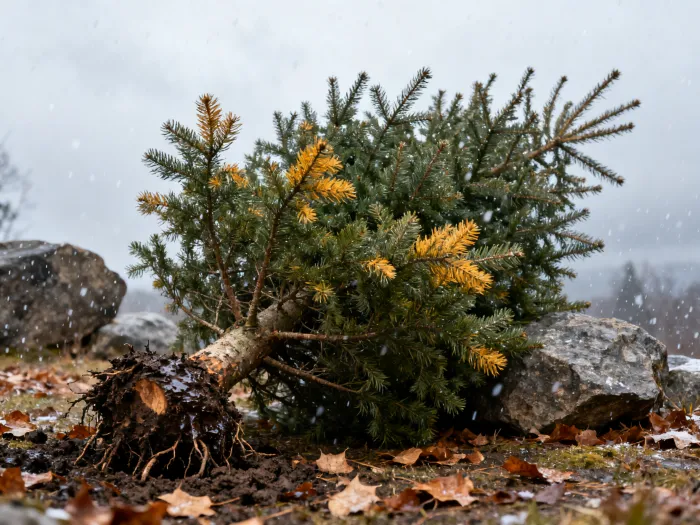
Every year, millions of households celebrate Christmas by displaying a cut tree, transforming outdoor and indoor spaces into festive wonders. However, many wonder: how long will a cut Christmas tree last if kept outside? Understanding the lifespan of a cut tree is essential for maintaining its beauty throughout the holiday season.
Factors Affecting the Longevity of Cut Christmas Trees Outdoors
Several elements determine how long a cut Christmas tree remains fresh and visually appealing when placed outdoors. These include:
- Tree Species: Different species have varying needle retention and moisture levels. Popular varieties like firs (Fraser, Noble, Balsam), spruces, and pines react differently to outdoor conditions.
- Temperature: Cold outdoor temperatures can help slow needle loss and dehydration. Mild climates may lead to quicker deterioration.
- Humidity: Higher humidity levels outdoors help maintain moisture in the tree, extending freshness.
- Sun Exposure: Direct sunlight accelerates drying and browning of needles.
- Wind: Strong winds can dry out needles rapidly, reducing the tree’s lifespan.
Average Lifespan of Cut Christmas Trees Outdoors
In general, a freshly cut Christmas tree will last between four to six weeks outdoors if properly cared for. Under optimal conditions—cool temperatures, adequate humidity, shade from direct sunlight—the tree may even stay green for up to eight weeks. However, in warmer or windy climates, needle drop and browning can occur within two to three weeks.
Species-Specific Durability
- Fraser Fir: Renowned for excellent needle retention; lasts up to 6–8 weeks outside in cool weather.
- Noble Fir: Maintains freshness for about 6 weeks outdoors.
- Balsam Fir: Typically remains vibrant for 4–6 weeks.
- Pine Varieties: Eastern White Pine and Scotch Pine can last about 4–5 weeks with proper care.
- Spruce Varieties: Generally shorter lifespan—about 3–4 weeks before needle drop begins.
Best Practices for Extending Outdoor Tree Life
To maximize the longevity of your cut Christmas tree outside, consider these simple steps:
1. Fresh Cut Before Placement
Cut at least half an inch off the trunk before placing outdoors to open pores for water absorption. This is especially crucial if the tree has been stored for more than a few hours after purchase.
2. Water Supply Is Essential
Even outdoors, trees benefit from being placed in a stand that holds water. Regularly check and refill the reservoir to prevent dehydration. A well-watered tree maintains its needles and color longer.
3. Location Matters
Place the tree away from direct sunlight and strong winds. A shaded porch or sheltered area is ideal. Avoid areas exposed to heating vents or other heat sources.
4. Humidity Maintenance
If possible, misting the branches lightly during dry weather helps keep needles hydrated. Be cautious not to over-saturate; excess moisture can promote mold growth.
5. Avoid Heavy Decorations Outdoors
Heavy ornaments or lights may damage branches and accelerate needle loss if exposed to wind or rain. Use lightweight decorations suitable for outdoor conditions.
Signs Your Outdoor Tree Is Losing Freshness
Monitor your Christmas tree regularly for these indicators:
- Needles turning brown or falling off easily when touched.
- Branches becoming brittle or dry to the touch.
- Loss of fragrance typical of fresh evergreens.
If these signs appear after several weeks, it is time to consider removal or replacement to maintain visual appeal and safety.
Environmental Considerations
After the festive season, consider recycling your cut Christmas tree through local programs or repurposing it as mulch or wildlife habitat. Proper disposal supports environmental sustainability and reduces landfill waste associated with holiday celebrations.
Conclusion
A cut Christmas tree displayed outdoors can retain its festive charm for four to six weeks under favorable conditions. By selecting hardy species, providing water, choosing an appropriate location, and monitoring health regularly, you can enjoy a vibrant holiday centerpiece throughout the season. Understanding these factors ensures your outdoor Christmas display remains beautiful while minimizing environmental impact.
Related topics: