
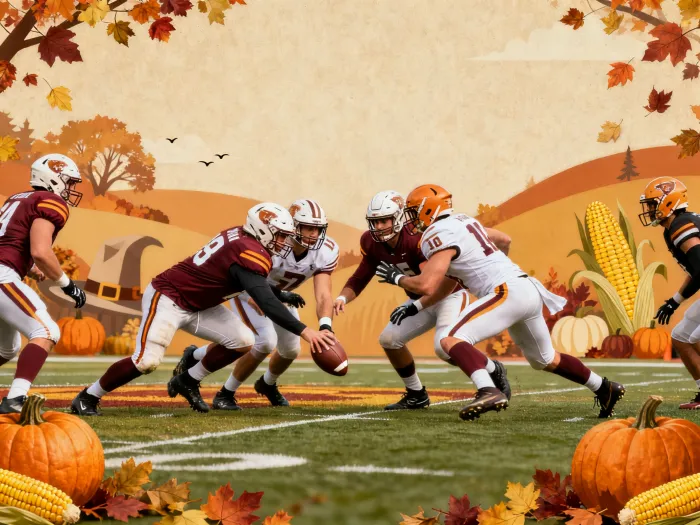
Thanksgiving Day and football are as inseparable as pumpkin pie and whipped cream. When the leaves turn golden and families gather around tables piled high with turkey, millions across the United States also tune in to watch men in helmets chase a pigskin across green fields. The tradition of playing football on Thanksgiving dates back to the late 19th century, a time when the game itself was still finding its footing in American culture. It is not just a sporting event; it is a celebration, an excuse to cheer, argue about referees, and sometimes avoid awkward family conversations.
The earliest known Thanksgiving football game was played in 1876 between Yale and Princeton. Yes, before the Dallas Cowboys and Detroit Lions made it their thing, Ivy League schools were already battling for bragging rights while everyone else was digesting stuffing. In those days, the rules were more loosely defined—sometimes resembling rugby more than modern football—and the uniforms were definitely less snazzy. However, what mattered most was the spirit of competition and community that quickly made football part of Thanksgiving lore.
As the years rolled on, more schools and local clubs joined in. By the early 1900s, high schools and colleges across America saw Thanksgiving as the perfect occasion for their most important games. These matches often drew crowds larger than any other day of the season. For many young athletes, playing on Thanksgiving meant you had made it to the big time—at least locally. The tradition became so entrenched that even today, many communities host annual “Turkey Bowls,” where friends and neighbors play casual games in muddy parks before dinner.
While professional teams have since taken over the spotlight, these humble beginnings are still celebrated by fans who remember that football on Thanksgiving is about more than just winning; it’s about coming together and making memories.
The NFL’s Thanksgiving Day Tradition: Lions, Cowboys, and Now More Teams
If you ask any American who plays football on Thanksgiving Day, two answers pop up faster than gravy spills: the Detroit Lions and the Dallas Cowboys. These teams are synonymous with Thanksgiving football—a tradition that has become as iconic as grandpa’s questionable jokes.
The Detroit Lions kicked off their first Thanksgiving Day game in 1934. George A. Richards, then owner of the Lions, wanted to boost attendance at his struggling franchise. He struck a deal with NBC radio to broadcast the game nationwide—a move that not only filled seats but also cemented football’s place at the Thanksgiving table. Since then, except during World War II years (when everyone had bigger things to worry about), Detroit has played every single Thanksgiving Day.
The Dallas Cowboys entered the fray in 1966. Their then-general manager Tex Schramm saw an opportunity to put his team under a national spotlight. Despite some initial skepticism from league officials—who worried about splitting audiences—the Cowboys proved themselves worthy of a permanent spot on Turkey Day TV screens. Like clockwork, Dallas has hosted a game every year since (save for two oddball years in the 1970s when the St. Louis Cardinals briefly took their place).
In recent years, the NFL added a third game to the holiday lineup. This prime-time slot rotates among various teams each year, spreading joy (and sometimes heartbreak) to fans coast-to-coast. Whether it’s division rivals clashing or playoff hopefuls making their case, this extra game ensures there’s plenty of gridiron action for those who’ve had one too many helpings of mashed potatoes.
So who plays football on Thanksgiving Day? The answer: always Detroit, almost always Dallas, and one lucky pair of teams chosen by league schedulers hoping for drama—and maybe a few wild touchdown celebrations.
College Football’s Role: Rivalries and Turkey Bowls Across America
While NFL games dominate television ratings on Thanksgiving Day itself, college football has its own storied relationship with the holiday weekend. Traditionally, many college rivalries culminate around this time—sometimes on Thursday but often spilling into Friday or Saturday when students are still home raiding refrigerators for leftovers.
Some of America’s oldest college rivalries have roots in Thanksgiving games. For example, Harvard vs. Yale or Army vs. Navy matches often occur near this festive season, stirring passions among alumni who probably still fit into their old letterman jackets (or at least claim they do). These games are less about playoff implications and more about bragging rights—ensuring that one school can boast over another during future family gatherings.
High school football also gets into the act with annual “Turkey Bowls.” These local matchups pit neighboring schools against each other in contests that often carry decades of history and friendly (or not-so-friendly) rivalry. In some communities, winning the Turkey Bowl is more important than any state championship; it is local pride distilled into four quarters of muddy fun.
For those not playing professionally or collegiately, pickup games abound across parks and backyards nationwide. Dubbed “Turkey Bowls,” these informal matches feature mismatched teams composed of uncles who think they’re still fast and cousins who actually are. While no trophies are awarded (unless you count leftover pie), these games reinforce football’s status as America’s favorite way to burn off calories before dessert.
Who Watches Football on Thanksgiving? Fans from All Walks of Life
Let’s face it: not everyone watching football on Thanksgiving is an expert in plays or player stats. Some tune in for tradition; others for background noise while digesting copious amounts of stuffing; many simply want an excuse to avoid washing dishes.
Football unites families across generations—even if only briefly before someone changes channels to watch a parade or holiday movie marathon. Grandparents reminisce about legendary players from decades past (“He played when helmets were leather!”), while kids marvel at halftime shows featuring musical acts or dancing mascots with questionable rhythm.
According to national surveys (and plenty of anecdotal evidence), watching football has become a staple part of Thanksgiving celebrations for millions. Even those who claim not to care will glance at screens during crucial moments—especially if there’s a last-second touchdown or controversial referee call.
And let’s not forget fantasy football players nervously tracking stats to see if their lineup will finally defeat Aunt Carol’s team this week. For them, every yard gained is personal—and every missed field goal is cause for family-wide groans.
Football broadcasts also reach beyond living rooms into bars and community centers where strangers bond over shared fandom (and sometimes shared plates of wings). It doesn’t matter whether you’re rooting for Detroit because you grew up nearby or simply because you like their uniforms—the act of watching together is what counts most.
Why Football on Thanksgiving Endures: A Feast for Fans Everywhere
So why does football persist as a central part of Thanksgiving festivities? Is it just habit—or something deeper?
For starters, football provides structure to an otherwise chaotic day filled with food prep and family banter. It offers scheduled breaks—kickoff times that signal when it’s okay to sneak away from awkward conversations or politely decline another helping of cranberry sauce.
There’s also something poetic about watching athletes battle it out while families gather in warmth just yards away from chilly autumn air outside stadiums. The physicality of football mirrors our own struggles: fighting through adversity (like dry turkey), celebrating victories (like finding room for pie), and enduring losses (like burnt rolls).
Moreover, football fosters connection—not just among players but among viewers who build traditions around these games year after year. Whether it’s wearing lucky socks for your team or debating play calls with relatives who swear they could coach better than anyone on TV, these rituals create lasting bonds.
In recent years, social media has amplified this sense of community by allowing fans to share reactions instantly—even if separated by miles or continents. International reports confirm that American expats abroad often stream games online just to feel closer to home during Turkey Day celebrations.
Ultimately, playing—and watching—football on Thanksgiving is less about sport than about shared experience. It is a reminder that even amid chaos (and questionable casseroles), there is always room for fun competition and collective joy.
The Cultural Impact: Football’s Role Beyond the Field on Thanksgiving Day
The influence of football on Thanksgiving stretches far beyond touchdowns and tackles—it shapes how Americans experience their holiday both individually and collectively.
For many families, attending a live NFL game becomes an annual pilgrimage—a chance to witness history unfold while bundled up against chilly winds with cups of hot cocoa in hand. Stadiums fill with fans sporting team colors; tailgates overflow with grilled treats rivaling any home-cooked feast inside cozy kitchens nearby.
Media coverage amplifies these moments through extensive pregame analysis and postgame recaps dissecting every fumble and field goal attempt. Newspapers run feature stories highlighting players’ personal connections to Thanksgiving traditions—from sharing meals with teammates to reflecting on childhood memories spent watching iconic matchups with loved ones.
Television broadcasts frequently incorporate festive themes into commentary—announcers joke about which player deserves extra gravy for stellar performances or speculate which coach might need dessert after tough losses. Commercial breaks showcase everything from turkey recipes sponsored by leading brands to heartwarming vignettes featuring athletes giving back through charity work during holiday seasons.
Beyond professional leagues, grassroots efforts bring communities together through volunteer-driven Turkey Bowls benefiting local causes—from food banks distributing meals to shelters hosting friendly competitions raising awareness for those less fortunate during winter months.
Academic studies exploring sports sociology underscore how shared rituals like watching football foster social cohesion among diverse groups—bridging gaps across age demographics and cultural backgrounds through collective participation in national events tied closely to cherished values like gratitude and resilience.
International observers often marvel at America’s unique blend of athletic spectacle and culinary indulgence—a phenomenon referenced in global media outlets analyzing cultural exports influencing worldwide perceptions about holiday celebrations blending sport with tradition seamlessly year after year.
Expanding Perspectives: Football Traditions Around the World During Festive Seasons
While American football dominates Thanksgiving festivities stateside, other cultures incorporate their own forms of sport into seasonal celebrations—highlighting universal themes connecting athletic competition with communal joy worldwide.
In Canada, Canadian Football League (CFL) teams traditionally play around their own version of Thanksgiving held earlier in October—mirroring similar excitement found south of the border albeit with slightly different rules involving three downs instead of four (which some say makes everything happen faster—including dessert breaks).
Across Europe during Christmas holidays—or Boxing Day in England—soccer matches attract massive crowds seeking respite from chilly weather through passionate support for favorite clubs competing fiercely amidst festive decorations lining stadiums nationwide.
Australia celebrates its own unique blend during national holidays like Australia Day featuring cricket tournaments drawing fans eager for spirited showdowns under sun-drenched skies accompanied by barbecues boasting culinary delights rivaling any American feast served stateside come November end.
Such global parallels demonstrate how sport functions universally as conduit bringing people together regardless geographic location or preferred pastime—reinforcing enduring truth behind age-old adage: “It’s not whether you win or lose—it’s how much fun you have playing.”
Related topics: