
Christmas is one of the most widely celebrated festivals in the world. Many people think of Christmas as a single day, December 25th. However, the length of Christmas celebrations varies across cultures, religions, and historical periods. This article examines how long Christmas actually lasts, from its origins to modern-day customs.
The Historical Roots of Christmas
The origins of Christmas date back to ancient times. The celebration marks the birth of Jesus Christ, which is believed to have occurred on December 25th. Early Christians did not initially celebrate this event. It was not until the fourth century that the date was officially established by church leaders. Over time, Christmas evolved into a significant religious and cultural event.
The Traditional Twelve Days of Christmas
In many Christian traditions, Christmas is not just a single day. It begins on December 25th and continues for twelve days, ending on January 5th or 6th with Epiphany. These twelve days are known as Christmastide or Twelvetide. Each day carries its own meaning and customs, often marked by feasts, prayers, and gatherings. The song “The Twelve Days of Christmas” reflects this extended period of celebration.
Advent: Preparing for Christmas
Before Christmas Day arrives, many Christians observe Advent. Advent is a period of anticipation and preparation lasting about four weeks before December 25th. It usually starts on the Sunday closest to November 30th and ends on Christmas Eve. During Advent, people light candles, attend church services, and reflect on themes of hope and peace. While Advent is not part of the official Christmas season, it plays a key role in setting the tone for celebrations.
Modern Celebrations: Extending the Festivities
In contemporary society, the duration of Christmas celebrations has expanded beyond religious boundaries. Many people start decorating homes and shopping for gifts as early as late November or early December. Some countries and families continue festivities well into January. Public holidays often extend from December 24th (Christmas Eve) through Boxing Day (December 26th), with New Year’s Day adding another layer to the festive season.
Regional Differences in Observing Christmas
The length of Christmas varies around the world:
- Western Countries: In places like the United States and United Kingdom, celebrations focus on December 24th and 25th but may extend through New Year’s Day.
- Eastern Orthodox Traditions: Some Orthodox Christians celebrate Christmas on January 7th due to differences in calendars, with festivities lasting several days.
- Latin America: In many Latin American countries, festivities begin with Las Posadas on December 16th and continue through Epiphany.
These regional variations highlight how local customs influence the duration and nature of celebrations.
Epiphany: The Official End?
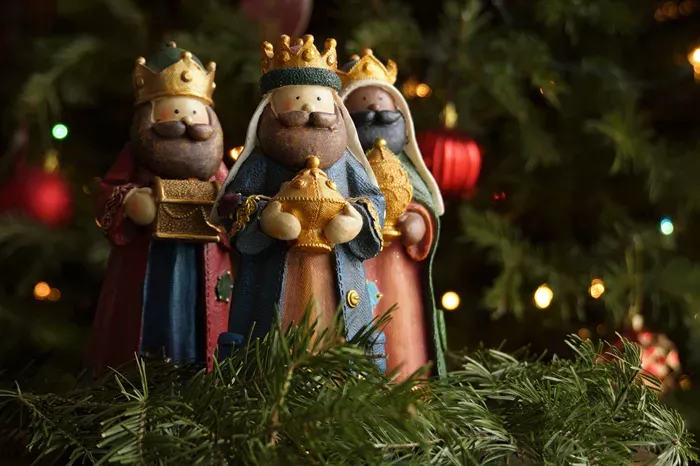
For many Christians, Epiphany on January 6th marks the official end of the Christmas season. Epiphany celebrates the visit of the Magi to baby Jesus and is an important holiday in many countries. In some cultures, special foods are prepared and gifts are exchanged on this day.
Commercial Influence: A Longer Season
Retailers have played a significant role in extending the festive season. Stores begin selling decorations and gifts well before December arrives. Holiday music fills public spaces weeks ahead of Christmas Day. This commercial influence means that for many people, “Christmas” feels like it lasts for several weeks rather than just one day or twelve days.
Conclusion
The duration of Christmas depends largely on tradition, culture, religion, and commercial influence. While some observe only December 25th as Christmas Day, others celebrate over weeks—from Advent through Epiphany—creating a festive season that can last more than a month.
Related topics: