
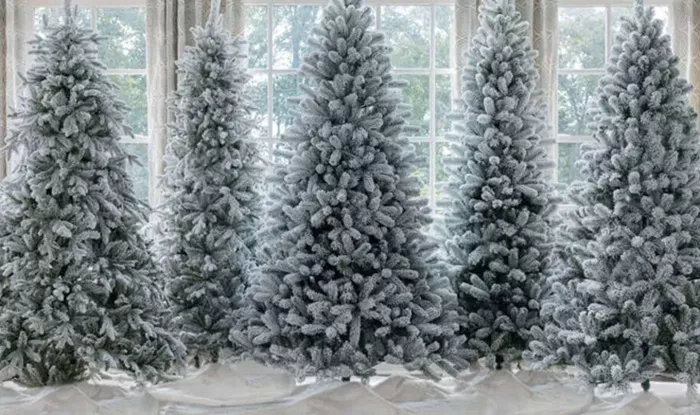
Flocked artificial Christmas trees have become increasingly popular in recent years. Their snow-dusted appearance brings a magical, wintry feel to homes and public spaces during the festive season. But as with all holiday decorations, a key question arises: How long can you expect a flocked artificial Christmas tree to last? This article provides a detailed look at the lifespan of these decorative trees, the factors influencing their durability, and tips for prolonging their beauty.
What Is a Flocked Artificial Christmas Tree?
A flocked artificial Christmas tree is made from synthetic materials, typically PVC or PE plastic. The “flocking” process involves spraying the branches with a white, snow-like material that dries to create a frosted look. This gives the tree its signature snowy appearance, making it a favorite for those seeking a winter wonderland effect indoors.
Average Lifespan of Flocked Artificial Trees
The longevity of flocked artificial Christmas trees depends on several factors. Most manufacturers estimate that with proper care, these trees can last anywhere from five to ten years. Some high-quality models may even remain attractive for up to fifteen years. However, the flocking material is more delicate than standard artificial greenery, which means signs of wear may appear sooner.
Factors Affecting Durability
Quality of Materials
The durability of your tree is directly related to its construction. Trees made from high-grade plastics and premium flocking compounds tend to retain their appearance longer. Cheaper models may shed flocking more quickly or experience discoloration.
Storage Conditions
Proper storage plays a significant role in extending the life of your tree. Exposure to moisture, heat, or direct sunlight can damage both the branches and the flocking material. It is recommended to store the tree in a cool, dry place, preferably inside its original box or a protective cover.
Frequency and Method of Use
If your tree is displayed for long periods each year or handled roughly during assembly and disassembly, its lifespan will be shortened. Gentle handling when setting up and taking down the tree helps preserve both its structure and snowy finish.
Cleaning and Maintenance
Dust and debris can accumulate on flocked surfaces. Cleaning should be done carefully with a soft brush or gentle vacuum attachment to avoid removing the flocking. Avoid using water or harsh cleaning agents as these can dissolve the adhesive that holds the flocking in place.
Signs Your Flocked Tree Needs Replacement
Over time, you may notice certain indicators that your tree is nearing the end of its useful life:
- Significant loss or thinning of flocking
- Discoloration or yellowing of snow-like material
- Bent or broken branches that no longer support ornaments
- Persistent odors from storage or age
If several of these issues are present, it may be time to invest in a new tree for safety and aesthetic reasons.
Tips for Prolonging Your Tree’s Lifespan
- Always store your tree in a climate-controlled environment.
- Handle branches carefully during assembly and disassembly.
- Clean only with dry methods; avoid moisture.
- Keep pets and small children away from the tree to prevent accidental damage.
- Consider rotating decorations each year to minimize stress on particular branches.
Environmental Considerations
While artificial trees do not require annual harvesting like real trees, they are made from plastics and synthetic flocking materials. At the end of their lifespan, disposing responsibly is important. Some manufacturers offer recycling programs for old artificial trees; check with local facilities for options in your area.
Conclusion
Flocked artificial Christmas trees can bring years of joy and festive atmosphere when cared for properly. With average lifespans ranging from five to ten years—sometimes longer—their longevity depends on quality, handling, and maintenance practices. By following recommended care guidelines and storing your tree correctly after each holiday season, you can maximize its beauty year after year.
Related topics: