
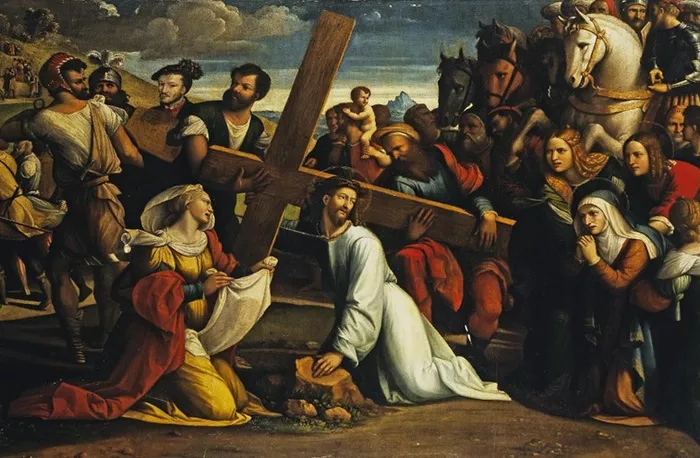
The week before Easter, often called Holy Week, is one of the most significant periods in the Christian calendar. It marks the final days of Jesus Christ’s life on Earth before His crucifixion and resurrection. During this week, Jesus engaged in several important activities that revealed His teachings, His authority, and His mission. Understanding what Jesus did during this week helps believers appreciate the depth of His sacrifice and the fulfillment of prophecy.
Jesus’ Arrival in Jerusalem
Palm Sunday marks the beginning of the final week of Jesus’ life. On this day, Jesus entered Jerusalem riding on a donkey, fulfilling the prophecy in Zechariah 9:9 that the Messiah would come in humility. Crowds gathered to welcome Him, waving palm branches and shouting, “Hosanna!” This event, known as the Triumphal Entry, symbolized the recognition of Jesus as King by the people, even though He would not lead a political kingdom. The crowd’s excitement contrasted with the growing opposition from religious leaders.
Jesus Cleanses the Temple
Shortly after entering Jerusalem, Jesus went to the temple and found it filled with merchants and money changers. He overturned the tables and drove them out, saying, “My house shall be called a house of prayer, but you have made it a den of thieves” (Matthew 21:13). This act demonstrated Jesus’ authority and His concern for the purity of worship. It also angered the religious authorities, further setting the stage for the conflicts that would lead to His crucifixion.
Teaching and Parables
Throughout the week, Jesus spent much time teaching in Jerusalem. He used parables to convey spiritual truths. For example, He told the Parable of the Tenants, illustrating how the religious leaders had rejected God’s messengers and would ultimately reject Him. He also taught about humility, service, and the coming of the Kingdom of God. His teachings during this week challenged both the crowds and the authorities, emphasizing love, forgiveness, and the importance of faith.
Confrontations with Religious Leaders
The week before Easter saw increasing tension between Jesus and the Jewish religious leaders. They questioned His authority and tried to trap Him with difficult questions. Jesus responded with wisdom, exposing their hypocrisy and pointing to God’s truth. These confrontations highlighted the growing divide between Jesus’ mission and the established religious system, making it clear that His death was inevitable according to God’s plan.
The Anointing at Bethany
A few days before His crucifixion, Jesus visited Bethany, where Mary, the sister of Martha and Lazarus, anointed Him with expensive perfume. This act of devotion symbolized His impending burial and showed the love and faithfulness of His followers. Some criticized the act as wasteful, but Jesus defended it, stating that Mary had prepared Him for His burial (John 12:7). This event revealed the awareness of His coming death and the reverence of His disciples.
The Last Supper
On the evening before His arrest, Jesus shared a final meal with His disciples, known as the Last Supper. During this meal, He instituted the practice of communion, offering bread and wine as symbols of His body and blood. He emphasized love and service, washing the feet of His disciples as an example of humility and servant leadership. The Last Supper also included the prediction of His betrayal by Judas Iscariot, which would soon set in motion the events of His arrest and crucifixion.
Jesus’ Prayer in Gethsemane
After the Last Supper, Jesus went to the Garden of Gethsemane to pray. He experienced deep anguish, knowing the suffering He would endure. He prayed to God the Father, asking, “Let this cup pass from me; yet not as I will, but as you will” (Matthew 26:39). This moment revealed His humanity, submission to God’s will, and the immense spiritual struggle He faced. It also prepared Him for the obedience and sacrifice that lay ahead.
The Arrest of Jesus
Later that night, Judas Iscariot betrayed Jesus with a kiss, leading soldiers to arrest Him in the Garden of Gethsemane. Jesus was taken to the high priest’s house, facing false accusations and mocking. Despite the injustice, He remained calm, showing His commitment to God’s plan. This event marked the beginning of His Passion, fulfilling the prophecies of the Messiah’s suffering.
Jesus Before Pilate and Religious Authorities
Jesus was brought before Pontius Pilate, the Roman governor, and the Jewish Sanhedrin. He was accused of blasphemy and claiming to be King of the Jews. Pilate found no fault in Him but faced pressure from the crowd to authorize His crucifixion. Jesus remained silent or spoke wisely in response to the accusations, demonstrating His composure and acceptance of God’s plan for redemption.
The Significance of Jesus’ Actions During the Week
Every action Jesus took in the week before Easter had spiritual significance. His entry into Jerusalem symbolized the arrival of the King. The cleansing of the temple emphasized purity in worship. The teachings, confrontations, and parables revealed the nature of God’s Kingdom and highlighted His authority. The Last Supper and prayer in Gethsemane prepared His disciples and humanity for the sacrifice of the cross. Together, these events show the deliberate unfolding of God’s plan for salvation.
Conclusion
The week before Easter was a period of profound significance in the life of Jesus Christ. From His triumphal entry to His arrest and trial, every action demonstrated His mission, His teachings, and His commitment to God’s plan. Understanding these events helps believers reflect on the meaning of Easter, the sacrifice of Jesus, and the ultimate fulfillment of God’s promise of redemption. Holy Week invites Christians to meditate on Jesus’ love, humility, and courage, strengthening faith and inspiring devotion.
Related topics: