
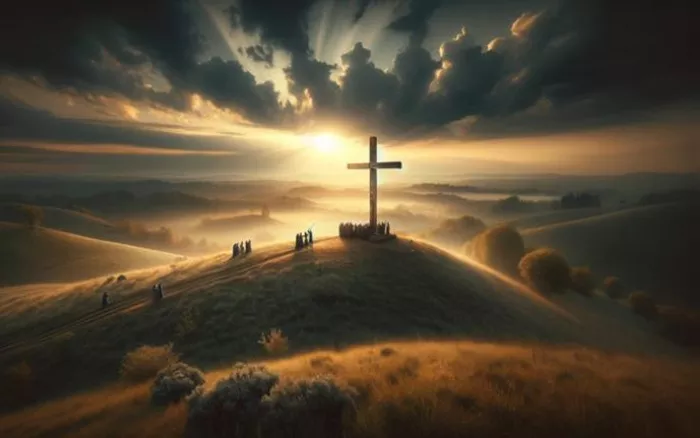
Good Friday and Easter Monday are two significant days in the Christian calendar. They occur during Holy Week, which commemorates the events leading up to and following the death and resurrection of Jesus Christ. These days are observed by millions of people around the world, each with unique traditions and religious practices. Understanding their significance helps to appreciate their impact on both faith and culture.
Understanding Good Friday
Good Friday is observed on the Friday before Easter Sunday. It is a day that marks the crucifixion and death of Jesus Christ at Calvary. Christians consider this day a solemn occasion, reflecting on the suffering and sacrifice of Jesus for the salvation of humanity. The name “Good Friday” may seem contradictory because it commemorates a day of suffering, yet it is called “good” because of the ultimate victory of Jesus over sin and death.
The Religious Significance of Good Friday
Good Friday holds deep religious significance. It represents the culmination of Jesus’ earthly ministry and his ultimate act of love. On this day, believers meditate on the themes of sacrifice, redemption, and forgiveness. According to Christian belief, Jesus’ death allows for the reconciliation of humanity with God. It is a day of reflection, prayer, and humility.
Rituals and Observances on Good Friday
Various Christian denominations observe Good Friday with specific rituals. Many attend church services where the Passion of Christ is read, recounting the events of Jesus’ trial, suffering, and crucifixion. In some traditions, a Veneration of the Cross takes place, allowing worshippers to show respect and gratitude for Jesus’ sacrifice. Fasting and abstinence from meat are also common practices, emphasizing a period of penance and reflection.
Cultural Practices on Good Friday
In addition to religious observances, Good Friday is marked by cultural practices in different countries. In some regions, processions and reenactments of the crucifixion are performed. These events serve as a visual reminder of the suffering endured by Jesus. In other communities, it is a quiet day of contemplation, with businesses and schools closing to honor the solemnity of the occasion.
Understanding Easter Monday
Easter Monday is the day following Easter Sunday, which celebrates the resurrection of Jesus Christ. While Easter Sunday is the pinnacle of the Christian faith, Easter Monday is an extension of the joy and reflection of the resurrection. It allows believers to continue the celebration of new life and hope.
The Religious Significance of Easter Monday
Easter Monday emphasizes the importance of the resurrection in Christian theology. The resurrection represents victory over death, affirming the promise of eternal life. For Christians, Easter Monday is a continuation of the spiritual renewal that begins on Easter Sunday. It is a time for family gatherings, community worship, and acts of charity, reflecting the joy of salvation and renewed faith.
Rituals and Observances on Easter Monday
While Easter Monday does not have the same solemnity as Good Friday, it is observed in various ways. Many churches hold special services or outdoor gatherings. In some countries, it is traditional to engage in processions, egg hunts, and other festive activities that symbolize rebirth and new beginnings. The day also encourages reflection on the lessons of humility, compassion, and hope that the resurrection teaches.
Cultural Practices on Easter Monday
Across the world, Easter Monday is often associated with cultural and social activities. In some European countries, it is customary to enjoy family meals and communal events. In Australia and Canada, it may be a public holiday, allowing people to spend time with loved ones. Certain traditions, such as water fights or festive games, also highlight the joyous and celebratory nature of the day. These practices, while cultural, carry the underlying message of renewal and community spirit.
The Connection Between Good Friday and Easter Monday
Good Friday and Easter Monday are interconnected through the central theme of the Christian faith: the death and resurrection of Jesus Christ. Good Friday focuses on sacrifice, suffering, and redemption, while Easter Monday emphasizes joy, renewal, and hope. Together, they bookend a period of intense reflection and celebration that forms the core of Holy Week.
Spiritual Journey From Suffering to Celebration
The period between Good Friday and Easter Monday symbolizes a spiritual journey. Christians move from mourning and penitence to rejoicing and renewal. This journey mirrors the belief that through suffering and hardship, believers can experience redemption and spiritual growth. The transition from Good Friday to Easter Monday illustrates the ultimate triumph of life over death and love over sin.
Impact on Christian Communities
The observance of both days strengthens communal bonds within Christian communities. Shared worship, traditions, and celebrations foster a sense of unity. Churches, families, and local communities come together to remember the core teachings of their faith. This collective observance also reinforces moral and ethical values such as compassion, forgiveness, and hope.
Global Observances and Variations
The way Good Friday and Easter Monday are observed varies around the world. In some countries, these days are public holidays with nationwide observances, while in others, they may have a primarily religious focus. Customs can include processions, reenactments, religious services, and festive gatherings.
Good Friday Around the World
In countries like the Philippines and Spain, elaborate processions and Passion plays dramatize the events of Jesus’ crucifixion. In the United States and the United Kingdom, church services, prayers, and fasting are more common. Despite the differences in practice, the underlying significance remains consistent: a solemn recognition of Jesus’ sacrifice.
Easter Monday Around the World
Easter Monday is celebrated with a mix of religious and cultural traditions. In Germany, it is known as Ostermontag, featuring church services and family outings. In Poland, the day includes the playful Śmigus-Dyngus tradition, where people sprinkle water on each other to symbolize cleansing and renewal. In Australia, Canada, and the United Kingdom, public holidays allow for community events, sports, and family gatherings. These variations show how culture and religion intertwine to create diverse observances.
Symbolism of Good Friday and Easter Monday
Both Good Friday and Easter Monday carry deep symbolism in Christian theology. Good Friday represents sacrifice, humility, and the cost of love. Easter Monday symbolizes victory, renewal, and hope. Together, they provide a complete picture of the Christian narrative of redemption.
Good Friday Symbols
Common symbols associated with Good Friday include the cross, nails, and crown of thorns. These elements remind believers of Jesus’ suffering and the ultimate purpose of his sacrifice. Many Christians meditate on these symbols through prayer, reflection, and acts of service, deepening their spiritual understanding.
Easter Monday Symbols
Easter Monday often incorporates symbols of life, rebirth, and joy. Eggs, flowers, and sunlight are popular motifs that reflect the resurrection of Jesus. These symbols encourage believers to embrace hope, renewal, and the promise of new beginnings in both spiritual and daily life.
The Role of Reflection and Community
Both Good Friday and Easter Monday emphasize the importance of reflection and community engagement. On Good Friday, reflection is inward, focusing on personal faith, repentance, and understanding of sacrifice. On Easter Monday, reflection extends outward to community involvement, celebrating life, renewal, and shared values. Together, these days encourage a balanced approach to faith, blending contemplation with joy and communal support.
Personal Reflection
Individuals are encouraged to use these days for personal meditation on the meaning of faith and morality. Good Friday invites introspection on suffering, forgiveness, and ethical living. Easter Monday encourages reflection on gratitude, growth, and the opportunities provided by renewal.
Community Engagement
Communal activities, including church services, processions, and social gatherings, strengthen the bonds between people. By participating in shared rituals and celebrations, communities reinforce values of empathy, solidarity, and spiritual growth. The observance of these days highlights the social dimension of faith, reminding believers that spiritual life is interconnected with social responsibility.
Modern Significance
In today’s world, Good Friday and Easter Monday continue to hold both religious and cultural importance. Beyond their spiritual significance, they influence societal norms, public holidays, and family traditions. These days provide opportunities for reflection, rest, and community bonding in increasingly fast-paced societies.
Maintaining Tradition
Despite modern changes, the essence of Good Friday and Easter Monday remains intact. Churches continue to conduct services, and families uphold traditions such as meals, gatherings, and symbolic activities. These practices ensure that the historical and spiritual meanings of the days are passed to future generations.
Encouraging Unity and Peace
Observing these days can promote social cohesion and peace. The themes of sacrifice, forgiveness, and renewal inspire people to cultivate compassion, empathy, and reconciliation in their lives. Good Friday and Easter Monday provide moments of pause to consider personal and communal responsibilities, fostering harmony and understanding in society.
Conclusion
Good Friday and Easter Monday are cornerstone observances in the Christian calendar, representing the full narrative of Jesus Christ’s death and resurrection. Good Friday emphasizes sacrifice, reflection, and redemption, while Easter Monday celebrates renewal, hope, and joy. Together, they guide believers on a spiritual journey from sorrow to celebration, promoting personal reflection, community engagement, and cultural continuity. Their significance extends beyond religious observance, offering universal lessons in compassion, resilience, and the enduring power of faith and hope.
Related topics: