
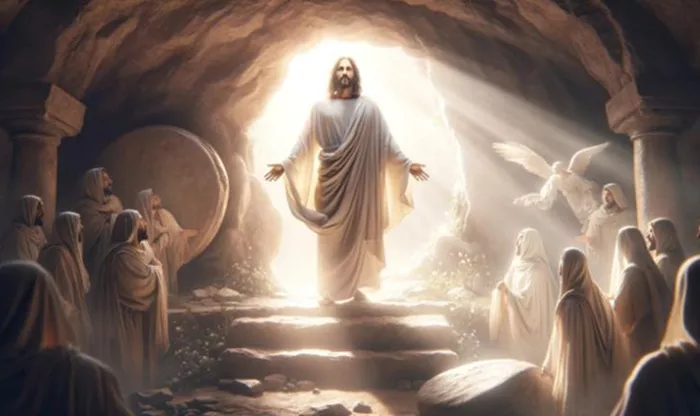
The events of Jesus’ death and resurrection are central to Christian belief and the celebration of Easter. Millions of people around the world observe these events each year through worship, reflection, and festive activities. Understanding the timing of Jesus’ death and resurrection helps believers connect more deeply with the significance of Easter. In this article, we will explore the historical and biblical accounts of when Jesus died and rose, the traditions surrounding these events, and the meaning behind them.
The Historical Context of Jesus’ Death
Jesus lived in a time of Roman occupation in Judea, during the reign of King Herod and Roman Emperor Tiberius. His teachings and growing influence attracted attention from religious leaders and Roman authorities. The Gospels describe Jesus as a figure who challenged social norms, preached love and forgiveness, and spoke about the Kingdom of God. These actions eventually led to his arrest and crucifixion.
The Jewish Calendar and Passover
The timing of Jesus’ death is closely linked to the Jewish festival of Passover. Passover commemorates the Israelites’ escape from slavery in Egypt. According to the Gospels, Jesus was crucified around the time of Passover, which falls on the 14th day of the Jewish month of Nisan. The Jewish calendar is lunar-based, meaning the dates shift slightly each year compared to the solar Gregorian calendar.
The Roman Crucifixion Practices
Crucifixion was a common method of execution used by the Romans, particularly for political rebels and criminals. It was designed to be public, humiliating, and painful. Historical accounts describe how victims were nailed or tied to wooden crosses and left to die, often taking hours or even days. Jesus’ crucifixion was no exception, and it was carried out outside Jerusalem in a place called Golgotha, also known as Calvary.
The Day of Jesus’ Death
Determining the exact day of Jesus’ death is challenging because the Gospels provide different details. However, scholars generally agree that Jesus was crucified on a Friday. This day is now commemorated by Christians as Good Friday.
Good Friday
Good Friday is observed as the day Jesus was crucified and died on the cross. According to the Gospel accounts, Jesus was arrested on the night of the Last Supper, tried by Jewish authorities, and then sentenced to death by the Roman governor Pontius Pilate. He was crucified in the morning and died in the afternoon, around 3 PM. The Gospels describe several miraculous events occurring at the time of his death, such as darkness over the land and the temple veil being torn.
The Significance of Jesus’ Death
Jesus’ death is seen as the ultimate sacrifice for humanity’s sins. Christians believe that through his suffering and death, Jesus offered redemption and reconciled humans with God. Good Friday is therefore a solemn day of reflection, prayer, and fasting in many Christian traditions.
The Resurrection of Jesus
The resurrection is the cornerstone of Christian faith. It is the event in which Jesus rose from the dead after three days in the tomb. This event is celebrated on Easter Sunday and symbolizes victory over sin and death.
The Timing of the Resurrection
The Gospels indicate that Jesus was placed in a tomb on the evening of Good Friday and rose early on the first day of the week, which corresponds to Sunday. This period is traditionally counted as three days, including Friday, Saturday, and Sunday. The resurrection is believed to have occurred at dawn, when women followers, including Mary Magdalene, visited the tomb and found it empty.
The Significance of Easter Sunday
Easter Sunday celebrates Jesus’ resurrection and the hope of eternal life. It is a joyful occasion marked by church services, prayers, and festive meals. Many Christians also engage in symbolic activities, such as lighting candles, singing hymns, and exchanging Easter eggs, which represent new life and rebirth.
The Biblical Accounts of Jesus’ Death and Resurrection
The four Gospels—Matthew, Mark, Luke, and John—offer complementary details about Jesus’ death and resurrection. While there are slight differences in timing and events, the central message remains consistent: Jesus died and rose again, fulfilling prophecies and confirming his divine nature.
Matthew’s Account
Matthew emphasizes the fulfillment of Old Testament prophecies. He describes the Last Supper, the betrayal by Judas, the trial before Pilate, the crucifixion, and the resurrection. Matthew records supernatural events, including an earthquake and angelic appearances at the tomb.
Mark’s Account
Mark presents a concise narrative, highlighting the suffering and human experiences of Jesus. He notes the darkness over the land, Jesus’ final words on the cross, and the discovery of the empty tomb by women followers.
Luke’s Account
Luke provides detailed insights into Jesus’ interactions with people during his last days. He emphasizes forgiveness, including Jesus’ words to those crucifying him and the promise to the repentant thief. The resurrection account includes the angelic message to the women at the tomb.
John’s Account
John highlights the divinity of Jesus throughout his crucifixion and resurrection. He records specific dialogues with his mother, the beloved disciple, and the Roman soldiers. John emphasizes the empty tomb and the appearances of Jesus to his disciples after rising from the dead.
Theological and Spiritual Significance
The death and resurrection of Jesus are not only historical events but also deeply theological. They reflect God’s plan for humanity, the triumph of life over death, and the promise of salvation.
Redemption and Forgiveness
Through Jesus’ sacrifice, Christians believe that sins can be forgiven. His death is seen as the ultimate act of love, offering humanity a path to reconciliation with God. The resurrection confirms that death is not the end, giving believers hope for eternal life.
Victory Over Death
The resurrection demonstrates that death has been conquered. It provides assurance that life continues beyond the grave for those who follow Jesus. Easter celebrations serve as a reminder of this victory and the renewal of faith.
Hope and Renewal
Easter is a season of hope and new beginnings. The resurrection inspires Christians to live with faith, compassion, and courage. It symbolizes spiritual rebirth and the opportunity for transformation in daily life.
Traditions Surrounding Easter
Over centuries, various cultural and religious traditions have developed to commemorate Jesus’ death and resurrection.
Good Friday Observances
On Good Friday, many Christians participate in fasting, prayer, and church services. Some attend processions reenacting the Stations of the Cross, which depict Jesus’ journey to Calvary. It is a day of reflection on suffering, sacrifice, and the depth of God’s love.
Easter Sunday Celebrations
Easter Sunday is celebrated with joy and festivity. Churches hold sunrise services, symbolizing the empty tomb at dawn. Hymns of praise and thanksgiving are sung, and families often share meals and exchange Easter eggs. These practices reinforce the themes of life, hope, and renewal.
The Liturgical Calendar
Good Friday and Easter Sunday are part of the larger liturgical calendar. The period of Lent, lasting 40 days before Easter, is a time of preparation, repentance, and spiritual reflection. Holy Week, the final week of Lent, includes Palm Sunday, Maundy Thursday, Good Friday, and Easter Sunday, each commemorating key moments in Jesus’ last days.
Scientific and Historical Perspectives
Scholars and historians have explored the timing and circumstances of Jesus’ death. While precise dates are debated, most agree on a general timeframe within the first century AD. Astronomical and historical records, combined with Gospel accounts, provide approximate dates for Passover and the crucifixion.
Debates on Exact Dates
Some researchers suggest that Jesus died around 30 AD, while others propose 33 AD. The debate considers the lunar calendar, historical Roman records, and astronomical data on solar eclipses and Passover timing. Despite these debates, the spiritual significance remains unaffected.
The Role of Archaeology
Archaeological findings, including ancient tombs, ossuaries, and artifacts, provide context for the time and place of Jesus’ life and death. While they do not offer definitive proof of specific events, they help historians understand the culture, politics, and religious practices of first-century Judea.
Impact on Christian Faith and Worship
The death and resurrection of Jesus form the foundation of Christian faith. They influence theology, worship practices, and moral teachings. Easter is considered the most important Christian festival, highlighting the belief in life after death and the hope of salvation.
Church Services and Liturgy
Churches worldwide hold special services for Good Friday and Easter Sunday. The liturgy includes readings from the Gospels, prayers, hymns, and rituals that commemorate Jesus’ sacrifice and resurrection. These services foster community, reflection, and spiritual renewal.
Personal Reflection and Devotion
Many Christians use this time to deepen personal faith. Prayer, meditation, and acts of charity are common during Holy Week. Reflecting on Jesus’ suffering and resurrection encourages believers to live with compassion, humility, and gratitude.
Conclusion
The death and resurrection of Jesus are central to Christian belief and the celebration of Easter. Jesus died on Good Friday, around the time of Passover, and rose on Easter Sunday, three days later. These events symbolize sacrifice, redemption, victory over death, and the promise of eternal life. The observances of Good Friday and Easter Sunday, combined with the traditions of Holy Week and Lent, provide believers with opportunities for reflection, renewal, and joy. Understanding when Jesus died and rose enhances the spiritual significance of Easter, offering hope and inspiration to millions around the world.
Related topics: