
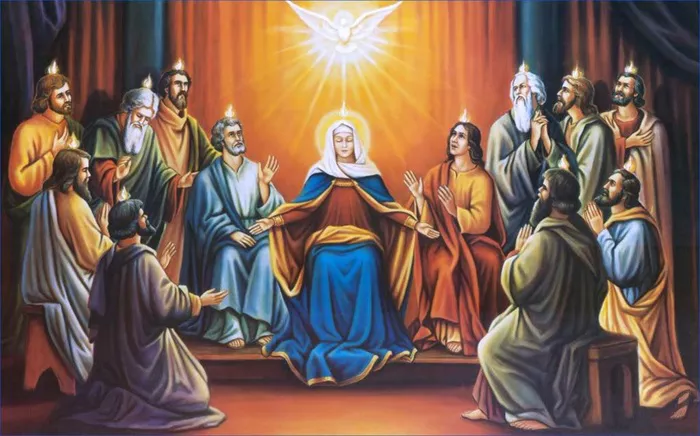
Pentecost is one of the major festivals in the Christian calendar. It is celebrated exactly 50 days after Easter Sunday. This timing is not arbitrary; it has deep religious and historical significance. Understanding why Pentecost occurs 50 days after Easter requires exploring both biblical events and traditional Christian practices. In this article, we will examine the history, symbolism, and meaning behind this important festival.
The Meaning of Pentecost
The word Pentecost comes from the Greek word “Pentēkostē”, which means “fiftieth.” This name refers to its occurrence fifty days after Easter. Pentecost commemorates the day when the Holy Spirit descended upon the apostles and early followers of Jesus Christ. This event is often called the “Birthday of the Church” because it marks the beginning of the apostles’ mission to spread the teachings of Jesus to the world.
The Biblical Basis for Pentecost
The timing of Pentecost is closely tied to Jewish tradition. In the Old Testament, there is a festival called Shavuot or the Feast of Weeks. Shavuot occurs 50 days after Passover. It is a harvest festival and also celebrates the giving of the Torah at Mount Sinai. Because Jesus’ resurrection occurred during Passover, the early Christians naturally linked Pentecost to this 50-day count. Therefore, Pentecost falls 50 days after Easter to reflect this biblical and Jewish connection.
How the 50-Day Count Is Determined
Counting the 50 days is straightforward but important in Christian liturgy. Easter Sunday is considered Day 1. From that day, the faithful count seven full weeks, or 49 days, leading to the 50th day, which is Pentecost Sunday. This counting emphasizes a period of waiting, reflection, and preparation. It mirrors the anticipation of the disciples as they waited for the Holy Spirit, as described in the Book of Acts.
The Spiritual Significance of the Number 50
The number 50 has special meaning in both Jewish and Christian traditions. In Judaism, it represents completion and liberation. The Jubilee year is celebrated every 50 years as a time of renewal and freedom. In Christianity, Pentecost as the 50th day signifies the fulfillment of Jesus’ promise to send the Holy Spirit. It symbolizes spiritual maturity and the readiness of the disciples to begin their mission.
Pentecost and the Resurrection of Jesus
Pentecost is closely connected to Easter because it follows the resurrection of Jesus. Easter celebrates the victory of Jesus over death and the hope of eternal life. Pentecost then continues this celebration by showing the empowerment of Jesus’ followers. The descent of the Holy Spirit provided them with courage, wisdom, and guidance. Without the resurrection, Pentecost would have no context, because the Holy Spirit comes as a result of Jesus’ promise after rising from the dead.
Historical Development of Pentecost Celebrations
In the early Church, Pentecost was one of the three major festivals, alongside Easter and Christmas. Early Christians would gather in Jerusalem to mark the event with prayer, reflection, and public proclamation of faith. Over time, Pentecost spread throughout the Christian world and developed unique traditions in different countries. Despite cultural variations, the 50-day connection to Easter remained consistent, emphasizing continuity with the biblical narrative.
Liturgical Observances
Christian churches observe Pentecost with special liturgical practices. Many communities hold a Pentecost vigil on the evening before, similar to Easter vigil traditions. The color red is often used in church decorations to symbolize the fire of the Holy Spirit. In some traditions, believers may wear red clothing and participate in processions. Sermons often focus on the work of the Holy Spirit and the mission of the Church.
Pentecost as the Birthday of the Church
Pentecost is sometimes called the “Birthday of the Church” because it marks the beginning of the apostles’ public ministry. Before this day, the disciples were fearful and unsure. After receiving the Holy Spirit, they spoke boldly and converted many people. This transformative moment is a central reason why the timing—50 days after Easter—is significant. It emphasizes the link between Jesus’ resurrection and the active mission of the Church in the world.
Connection to Jewish Traditions
Pentecost cannot be fully understood without recognizing its roots in Jewish tradition. The Feast of Weeks, or Shavuot, celebrated the first fruits of the harvest and the giving of the law. Jesus’ resurrection occurred during Passover, and Pentecost followed 50 days later, aligning with Shavuot. This connection shows how early Christianity adapted Jewish festivals to new theological meanings, linking the events of Jesus’ life to longstanding traditions.
Symbolism of Fire, Wind, and Tongues
On Pentecost, the apostles experienced dramatic signs of the Holy Spirit: wind, fire, and speaking in tongues. These elements symbolize power, purification, and divine communication. The timing of 50 days is symbolic because it represents a period of preparation and growth. Just as the disciples waited and prayed, believers today are reminded that spiritual transformation often requires patience and readiness.
Pentecost Around the World
Pentecost is celebrated differently across Christian denominations and cultures. In Eastern Orthodox churches, the day is marked with long processions and liturgies. In Western Christianity, Pentecost often involves red decorations, special prayers, and community events. Despite these differences, the 50-day connection to Easter remains a universal element, emphasizing both historical and spiritual continuity.
Theological Reflections
Theologically, Pentecost signifies the fulfillment of Jesus’ promise. It demonstrates that the work of salvation continues beyond the resurrection. The 50-day interval highlights the period of preparation and anticipation, reminding believers that spiritual readiness is essential. It also reinforces the unity of the Christian story, connecting Easter, Ascension, and Pentecost in a continuous timeline of faith.
Modern Practices and Observances
Today, Pentecost is celebrated with diverse practices, from attending church services to community gatherings. In some countries, parades, music, and cultural festivals accompany religious observances. The timing, always 50 days after Easter, reminds Christians of the historical and spiritual importance of the festival. It encourages reflection on the role of the Holy Spirit in daily life and in the life of the Church.
Why 50 Days Matters
The 50-day period is more than a numerical detail. It represents a time of spiritual preparation, growth, and anticipation. Just as the Jewish people counted days to Shavuot, Christians count days to Pentecost to reflect on the resurrection and await the Holy Spirit. This period encourages prayer, reflection, and understanding of the broader Christian story. The number 50 thus becomes a symbol of readiness and divine fulfillment.
Conclusion
Pentecost occurs 50 days after Easter because of its deep biblical, historical, and spiritual roots. The 50-day period connects the resurrection of Jesus with the coming of the Holy Spirit, linking Easter and Pentecost in a meaningful timeline. It reflects Jewish traditions, emphasizes spiritual preparation, and marks the beginning of the Church’s mission. Understanding this timing helps believers appreciate the continuity of faith, the power of the Holy Spirit, and the enduring significance of Pentecost in Christian life.
Related topics: