
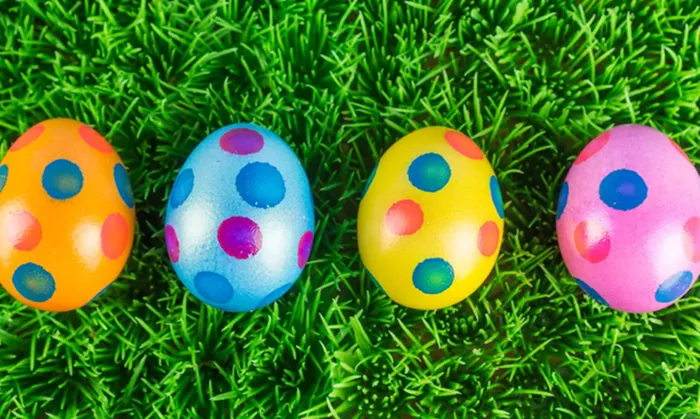
Easter is a holiday celebrated by millions of people around the world. One of the most recognizable symbols of Easter is the egg. During this time, eggs are painted, decorated, hunted, and given as gifts. But why eggs during Easter? This article explores the history, symbolism, and cultural significance of Easter eggs. It also explains how this tradition developed and why it continues to be meaningful today. Through simple language and a logical structure, we will guide you step by step into understanding the deeper reasons behind Easter eggs.
The Symbolism of Eggs
Eggs have been symbols in many cultures long before Easter became a Christian holiday. In many ancient societies, eggs were seen as symbols of new life, rebirth, and fertility. This is because eggs appear lifeless from the outside, yet they contain the potential for life inside. For early humans, this mystery made eggs powerful symbols of the cycle of life.
When spring arrives, nature awakens after a long winter. Plants grow, animals give birth, and the world seems full of new beginnings. Because of this, many cultures connected eggs with the season of spring. The egg became a natural representation of hope, renewal, and the promise of life returning after the dormant winter months. In many regions, people exchanged eggs as gifts to celebrate spring.
Eggs in Pre-Christian Traditions
Long before Christianity spread across Europe and the Middle East, ancient cultures included eggs in their spring festivals. In Persia, eggs were decorated in bright colors to celebrate Nowruz, the Persian New Year, which falls on the first day of spring. These eggs signified life, renewal, and the victory of warmth over winter’s cold.
The ancient Egyptians and Romans also used eggs in their spring festivals. Egyptians offered eggs to their gods as symbols of new life. The Romans celebrated a festival called Hilaria, where people exchanged eggs and celebrated the return of spring. These early customs laid the foundation for the use of eggs in later religious celebrations, including Easter.
The Christian Meaning of Easter Eggs
Easter is the most important holiday in the Christian calendar. It celebrates the resurrection of Jesus Christ, which Christians believe occurred three days after his crucifixion. Resurrection is a powerful theme of new life and hope. For early Christians, the egg naturally became a symbol of this new life through Christ.
Just as a chick breaks out of an egg, Christians saw Christ rising from the tomb. The shell seemed like the tomb, and the new life inside represented resurrection. Because of this visual and symbolic connection, eggs became part of Easter celebrations as early as the 4th century in Mesopotamia. Christians shared eggs with each other to honor the resurrection of Christ.
Eggs in Medieval Europe
During the Middle Ages, the Christian Church shaped many cultural practices in Europe. Eggs became closely associated with Easter in part because of religious fasting rules. In many Catholic countries, Christians were forbidden to eat meat and dairy products during Lent, the 40-day period before Easter. Chickens did not stop laying eggs during this time, so people ended up with many eggs they could not eat.
To avoid waste, families preserved eggs by boiling them. They saved them to eat after Lent ended. Easter Sunday became the first day when these eggs could be eaten. This practical need turned into a joyful tradition. People began to boil, decorate, and share eggs to break the fast and celebrate Easter.
Coloring and Decorating Eggs
The tradition of coloring and decorating eggs became popular in many cultures. In medieval Europe, eggs were often dyed red to represent the blood of Christ shed on the cross. The red color reminded Christians of the sacrifice of Jesus and the meaning of his resurrection.
Over time, decorating eggs became more creative. People used natural dyes from plants, flowers, and spices. In Eastern Europe, elaborate patterns and symbols were drawn on eggs using wax resist techniques. These decorated eggs carried meanings of protection, blessings, and good fortune.
In some cultures, decorating Easter eggs also became a social event. Families and communities gathered to dye eggs together. Children enjoyed painting eggs with bright colors. This tradition spread to many parts of the world, adding beauty and joy to the Easter season.
The Easter Egg Hunt
One of the most beloved Easter traditions today is the Easter egg hunt. In this activity, adults hide eggs for children to find. The eggs may be real, decorated eggs, or they may be hollow chocolate eggs or plastic eggs filled with candy. The hunt adds an element of fun and excitement to Easter celebrations.
The origins of the Easter egg hunt are not entirely clear, but some historians connect it to religious practices. In some communities, priests would hide eggs in the churchyard, and children would search for them. Over time, this idea spread into homes and public spaces. It became a playful way to celebrate Easter and involve young people in the holiday.
The egg hunt also has symbolic meaning. Finding hidden eggs can represent discovering new life and hope. Just as Christ was hidden in the tomb and then revealed through resurrection, the hidden egg becomes a symbol of discovery and joy.
The Easter Bunny and Eggs
In many Western countries, the Easter Bunny is another popular symbol of the holiday. According to tradition, the Easter Bunny brings eggs and hides them for children to find. But why a bunny? Rabbits and hares have long been symbols of fertility and spring because they reproduce rapidly during the season. This connection to new life made the rabbit a fitting figure for spring celebrations.
The Easter Bunny idea is believed to have originated among German Lutherans in the 17th century. They told stories of an “Easter Hare” that laid eggs for children to find. German immigrants brought this tradition to America in the 18th century, and it spread from there. Today, the Easter Bunny and Easter eggs are inseparable in many cultures, especially in children’s celebrations.
Regional Traditions with Easter Eggs
Around the world, people celebrate Easter with unique egg traditions. In Ukraine and parts of Eastern Europe, the art of pysanky has been practiced for centuries. These eggs are decorated with intricate designs using wax and dyes. Each symbol and color carries meaning, often related to health, protection, and spiritual themes.
In Sweden, children dress up as “Easter witches” around Easter and exchange decorated eggs. In parts of Greece, red eggs are tapped against each other in a game that represents the breaking open of Jesus’ tomb. In Mexico, eggs are sometimes used in piñata games and festive displays.
These regional variations show how the simple egg has taken on diverse cultural expressions. Yet the underlying meaning remains connected to life, spring, and renewal.
Modern Uses of Easter Eggs
Today, Easter eggs come in many forms. In addition to real eggs, chocolate eggs are widely popular. Chocolate eggs can be hollow or filled with candy. They are often wrapped in colorful foil and sold in stores during the Easter season. These sweet treats add a festive and joyful dimension to Easter celebrations.
Plastic eggs also play a big role in modern Easter activities. These eggs can be filled with small toys, candies, or messages. They are light and reusable, making them practical for egg hunts. Some families create elaborate egg hunt maps or assign clues to make the search more challenging and fun.
In many communities, large public egg hunts are held in parks, gardens, and town squares. These events draw families and children who enjoy the excitement and social aspect of the hunt. Easter egg rolling is another popular activity in some countries, where eggs are rolled down hills or across lawn fields. The fastest or least cracked egg often wins a prize.
Eggs as Gifts
Giving eggs as gifts is another long-standing Easter tradition. In earlier times, decorated eggs were valuable because they were rare and beautiful. Even today, giving eggs can be a meaningful gesture. People may exchange painted eggs, chocolate eggs, or special Easter baskets filled with eggs and other treats.
In some families, it is customary to give a special egg to each child on Easter morning. These eggs may have personal messages, favorite colors, or even small surprises inside. This act of giving reinforces love, care, and a sense of celebration.
Religious Rituals with Eggs
In many Christian communities, eggs are part of Easter religious rituals. In some Orthodox churches, eggs are blessed by priests during special Easter services. The red color of the egg can symbolize Christ’s blood, while the egg itself represents his resurrection. People carry these blessed eggs home and share them with family members as a symbol of spiritual renewal.
In other traditions, eggs are used in Easter processions and church decorations. They may be placed near crosses, altars, or statues of saints. The presence of eggs in these sacred spaces reminds believers of the core message of Easter: victory over death and the gift of new life.
Eggs in Art and Literature
The image of the Easter egg has also found its way into art and literature. Painters, poets, and writers have used the egg as a symbol of life and transformation. In children’s stories, eggs often represent mystery and surprise. In religious art, eggs can be shown alongside scenes of resurrection and rebirth.
The egg’s simple shape and deep meaning make it a powerful visual metaphor. Artists have used decorated eggs to explore themes of beauty, culture, and faith. Writers have used the Easter egg as a symbol of hope and the cycle of life. These artistic expressions further enrich the cultural significance of Easter eggs in society.
Scientific and Educational Uses
Beyond tradition, eggs during Easter also offer educational opportunities. Teachers and parents often use egg-related activities to teach children about biology, life cycles, and nature. For example, children may learn how a chick develops inside an egg or observe how different dyes react with eggshells. These hands-on activities make learning fun and engaging.
Egg experiments can also spark curiosity in science. Simple projects like testing which eggs float in saltwater or why eggshells are strong yet fragile help children understand basic scientific principles. Easter becomes a time for exploration and discovery, connecting tradition with learning.
Commercial and Economic Impact
The demand for Easter eggs has a significant commercial impact. Retailers prepare months in advance to produce and sell a wide variety of Easter eggs. Chocolatiers create special seasonal products. Toy companies design plastic eggs and fillers. Artists and craftspeople sell hand-decorated eggs and egg decorating kits.
The sale of Easter eggs boosts local economies, especially in small towns and communities where Easter markets and fairs are held. These markets often feature local egg artists, food vendors, and family-friendly activities. The economic impact of Easter eggs extends beyond consumption; it supports tradition, creativity, and community events.
Environmental Considerations
As the popularity of Easter eggs grows, so do concerns about environmental impact. Plastic eggs, packaging, and disposable materials can create waste. Many people are now choosing more sustainable practices. Some families use real eggs that can be composted. Others select reusable plastic eggs or decorate eggs with natural dyes.
Communities also organize recycling programs for Easter events. For example, after public egg hunts, volunteers collect and reuse plastic eggs for future celebrations. These efforts help reduce waste while preserving the joy and tradition of Easter eggs for future generations.
Why the Tradition Endures
After centuries of celebration, the tradition of Easter eggs remains strong. But why? The answer lies in the deep symbolism of the egg itself. The egg represents life, renewal, hope, and transformation. These themes are central to both spring and Easter. The season of spring naturally aligns with the idea of new beginnings, and Easter celebrates the ultimate new beginning in Christian belief.
Beyond symbolism, Easter eggs connect families, communities, and cultures. They create moments of joy, creativity, and togetherness. Whether through decorating, hunting, or giving eggs, people share experiences that bring meaning to the holiday. As society changes, the forms may change, but the core ideas remain relevant.
Conclusion
The use of eggs during Easter is a rich and layered tradition that spans cultures and centuries. From ancient spring festivals to Christian celebrations of resurrection, eggs have symbolized life, hope, and renewal. The practical use of eggs during medieval Lent, the art of decorating, the fun of egg hunts, and the figure of the Easter Bunny all contribute to the modern Easter egg tradition. Eggs continue to hold cultural, religious, and social significance, making them an enduring and beloved symbol of Easter. Their presence in art, education, economy, and family life ensures that the tradition will continue to be meaningful for generations to come.
Related topics: