
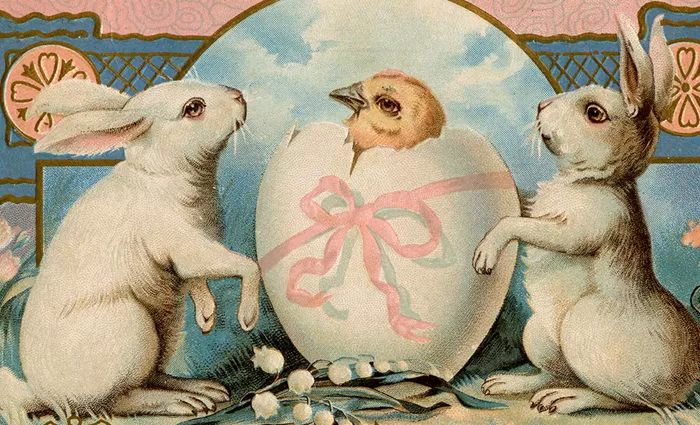
Easter is one of the most celebrated festivals around the world. It is primarily a Christian holiday that commemorates the resurrection of Jesus Christ. However, many people, especially children, associate Easter with colorful eggs, chocolates, and most famously, the Easter bunny. This raises an interesting question: why is the bunny in Easter? In this article, we will explore the historical, cultural, and symbolic reasons behind the presence of the bunny in Easter celebrations. We will also examine how this tradition has evolved over centuries.
The Origins of Easter
Easter itself has deep roots in both religious and pre-Christian traditions. In Christianity, Easter marks the resurrection of Jesus Christ on the third day after his crucifixion. This event symbolizes hope, renewal, and new life.
Before Christianity, ancient pagan cultures celebrated the arrival of spring with festivals dedicated to fertility and renewal. Many of these celebrations included symbols of new life, such as eggs and animals known for their fertility, including rabbits and hares. These pre-Christian symbols were eventually integrated into Easter customs.
The Symbolism of Rabbits and Hares
Rabbits and hares have been associated with fertility and new life for centuries. Their ability to reproduce quickly and frequently made them a natural symbol of abundance and growth. In many cultures, rabbits were also considered creatures of luck and prosperity.
In the context of spring, rabbits represent the rejuvenation of nature. Just as plants and flowers bloom after the cold winter, rabbits multiply and bring life to the earth. This made them an ideal symbol for springtime celebrations, including Easter.
The Easter Bunny Tradition in Europe
The modern concept of the Easter bunny can be traced back to Europe, particularly Germany. Historical records show that as early as the 1600s, German children were told that a hare would lay eggs for them to find during the Easter season. This hare was called the Osterhase or Easter hare.
The Osterhase was not just a character for storytelling. It was part of the ritual of marking spring with playful activities, such as egg hunting. Families would prepare nests for the hare to leave colored eggs, blending the ideas of fertility, new life, and joy.
Migration to America
German immigrants brought the Easter hare tradition to the United States in the 1700s. In America, the hare eventually became the familiar Easter bunny. The tradition of hiding eggs and candy for children became widely popular and spread across different communities.
Over time, the Easter bunny evolved from a simple folklore figure into a commercial symbol of Easter, appearing in decorations, greeting cards, and chocolate products.
Eggs and the Bunny
The connection between the Easter bunny and eggs is symbolic and playful. Eggs are ancient symbols of new life and rebirth. The Easter bunny, being a fertility symbol, is a natural companion to eggs. Together, they represent the themes of resurrection, renewal, and growth central to the Easter celebration.
The tradition of decorating eggs and using them in Easter egg hunts became a way to make the festival more interactive and fun, especially for children. This combination of rabbits and eggs solidified the imagery we see today.
Cultural Variations Around the World
While the Easter bunny is popular in Western countries, other cultures have similar traditions with different animals or symbols. In Switzerland, for example, a cuckoo bird delivers the eggs, while in some parts of Eastern Europe, decorated eggs are the main focus of Easter, with less emphasis on rabbits.
Despite these variations, the common theme remains: the celebration of new life and the arrival of spring.
Commercialization of the Easter Bunny
In the 19th and 20th centuries, the Easter bunny became heavily commercialized. Chocolate companies and toy manufacturers promoted the Easter bunny as a marketing tool, which contributed to its global recognition. Today, Easter baskets, chocolate bunnies, and plush toys are a central part of Easter celebrations in many countries.
Psychological and Social Significance
The Easter bunny also plays a role in social and psychological development. For children, the Easter bunny represents a magical figure, much like Santa Claus. It encourages imaginative play, fosters traditions within families, and strengthens cultural identity.
For adults, the bunny serves as a nostalgic symbol of childhood and seasonal change. It connects generations through shared rituals, such as egg hunts and festive gatherings.
Conclusion
The Easter bunny is more than just a cute animal delivering eggs. Its presence in Easter celebrations is deeply rooted in history, culture, and symbolism. From ancient fertility rituals to Christian celebrations of resurrection, the bunny represents life, renewal, and joy. Over centuries, it has evolved into a beloved figure that brings families together, delights children, and enriches the cultural tapestry of Easter worldwide.
Related topics: