
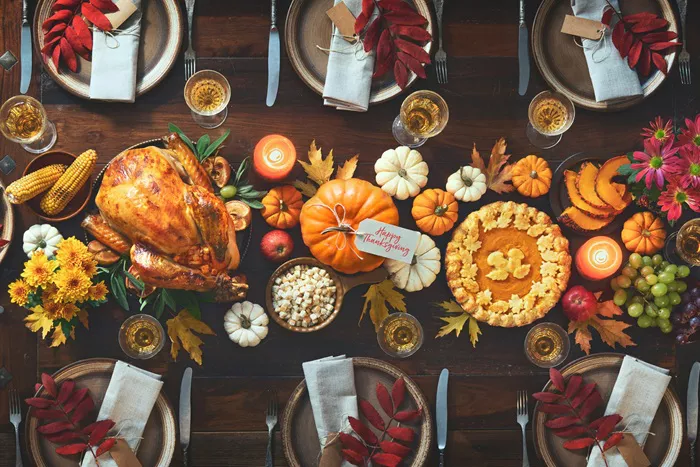
Thanksgiving is one of the most important festivals in the United States. It is a time when families and friends gather to share a meal and give thanks. While roast turkey is often the centerpiece of the table, the side dishes are just as meaningful. In many homes, the side dishes carry strong family traditions. Recipes are passed down from generation to generation. Some dishes reflect early colonial cooking, while others show regional and cultural influences.
Traditional Thanksgiving side dishes are comforting, rich, and designed to complement roasted turkey. They balance flavors and textures. Some are creamy and smooth. Others are crisp or slightly sweet. Together, they create a complete and satisfying holiday meal.
In this article, we will explore the most common traditional Thanksgiving side dishes. Each section explains the history, ingredients, preparation style, and cultural significance of these foods. By understanding these dishes, readers can better appreciate the depth and variety of the Thanksgiving table.
Mashed Potatoes
Historical Background
Mashed potatoes are one of the most iconic Thanksgiving side dishes. Potatoes became widely available in North America during the 18th and 19th centuries. They were affordable, filling, and easy to grow. Over time, mashed potatoes became a staple in American households and naturally found a place at holiday feasts.
Ingredients and Preparation
Traditional mashed potatoes are simple. The main ingredients are potatoes, butter, milk or cream, and salt. Some families add garlic, sour cream, or cream cheese for extra flavor. The potatoes are boiled until soft. Then they are mashed until smooth and creamy.
The texture is important. Good mashed potatoes should be fluffy, not sticky. They should hold their shape on the plate but still be soft.
Role on the Thanksgiving Table
Mashed potatoes serve as a neutral base. They absorb gravy well and balance the richer dishes. Because they are mild in flavor, they appeal to both children and adults. For many families, Thanksgiving does not feel complete without a bowl of mashed potatoes.
Gravy
Origins and Development
Gravy is closely linked to roasted meats. It is made from the drippings of the turkey combined with flour and broth. Early American cooks used every part of the animal. Making gravy from pan drippings was practical and flavorful.
Preparation Techniques
To make traditional gravy, the cook collects the turkey drippings after roasting. Flour is added to create a thick base called a roux. Broth or stock is slowly mixed in until the sauce thickens. Salt and pepper are added to taste.
Some variations include herbs like sage or thyme. Others may add a small amount of cream.
Cultural Importance
Gravy ties the meal together. It is poured over turkey, mashed potatoes, and stuffing. Its savory flavor enhances the entire plate. In many homes, the quality of the gravy is seen as a sign of cooking skill.
Stuffing or Dressing
Historical Roots
Stuffing dates back centuries. Ancient Roman cookbooks include recipes for stuffed poultry. In early America, bread-based stuffing became common because bread was widely available. It helped stretch ingredients and added flavor to roasted meat.
Ingredients and Variations
Traditional stuffing includes cubed bread, onions, celery, butter, and herbs such as sage and thyme. Broth is added to moisten the mixture. Some families include sausage, apples, nuts, or dried cranberries.
If the mixture is cooked inside the turkey, it is called stuffing. If baked separately in a dish, it is often called dressing.
Regional Differences
In the Southern United States, cornbread dressing is common. In New England, oyster stuffing reflects coastal influences. These variations show how local ingredients shape tradition.
Symbolic Meaning
Stuffing represents abundance. It is hearty and flavorful. Its aroma fills the home during cooking, adding to the festive atmosphere.
Cranberry Sauce
Connection to Early America
Cranberries are native to North America. Indigenous peoples used them in food and medicine long before European settlers arrived. Early colonists learned to cook cranberries with sugar, creating the foundation of modern cranberry sauce.
Preparation Methods
Cranberry sauce is made by simmering fresh cranberries with sugar and water. As the berries cook, they burst and thicken naturally. Some recipes include orange zest or spices.
Canned cranberry sauce is also popular. It is sliced into rounds and served chilled.
Flavor Balance
Cranberry sauce adds brightness and acidity to the meal. Its sweet and tart flavor cuts through rich dishes like turkey and gravy. This contrast is important for balance.
Sweet Potato Casserole
Historical Development
Sweet potatoes have been cultivated in the Americas for thousands of years. In the early 20th century, marshmallow companies promoted sweet potato casserole recipes. This helped make the dish a Thanksgiving tradition.
Ingredients and Toppings
Mashed sweet potatoes are mixed with butter, sugar, and spices. The mixture is placed in a baking dish. A topping of marshmallows or brown sugar and pecans is added before baking.
Sweet and Savory Debate
Some people view sweet potato casserole as a dessert-like side dish. Others see it as an essential part of the savory meal. Despite the debate, it remains popular.
Green Bean Casserole
Mid-20th Century Origins
Green bean casserole was created in the 1950s. It was designed to be simple and affordable. The original recipe used canned green beans, cream of mushroom soup, and fried onions.
Preparation Style
The ingredients are mixed and baked. Crispy fried onions are added on top for texture. Today, some cooks use fresh green beans and homemade sauce for a more modern version.
Enduring Popularity
Green bean casserole reflects post-war American cooking. It is easy to prepare and widely loved. Its creamy texture contrasts with other dishes.
Dinner Rolls
Traditional Bread at the Table
Bread has long been part of celebratory meals. Soft dinner rolls are served warm with butter. They are simple but important.
Function During the Meal
Rolls are used to soak up gravy. They also provide comfort and familiarity. Many families bake homemade rolls as part of their tradition.
Macaroni and Cheese
Regional Significance
Macaroni and cheese is especially popular in Southern Thanksgiving meals. The dish became widely known in the United States in the 19th century.
Ingredients
Elbow macaroni is mixed with cheese sauce made from butter, milk, and shredded cheese. The dish is baked until golden.
Cultural Meaning
For many families, macaroni and cheese is a symbol of comfort and celebration.
Roasted Vegetables
Seasonal Ingredients
Autumn vegetables such as carrots, Brussels sprouts, and squash are common. Roasting enhances their natural sweetness.
Modern Interpretations
Many contemporary Thanksgiving meals include roasted vegetables for balance and color. They add freshness to the plate.
Corn Dishes
Historical Importance
Corn was a vital crop for Native Americans and early settlers. It remains symbolic of harvest and survival.
Popular Preparations
Creamed corn and corn pudding are common side dishes. Cornbread is also widely served.
Salads and Lighter Sides
Balancing Rich Foods
Simple salads provide freshness. Ingredients may include leafy greens, nuts, and seasonal fruits.
Evolution Over Time
In recent decades, lighter dishes have become more common as eating habits change.
Regional Variations Across the United States
Thanksgiving side dishes vary by region. In the South, dishes may include collard greens and cornbread dressing. In New England, seafood-based stuffing may appear. In the Midwest, casseroles are common. These differences reflect agricultural patterns and cultural history.
The Role of Family Tradition
Many Thanksgiving side dishes are tied to memory. Families often prepare the same recipes each year. Small details matter. The exact seasoning or method can carry emotional meaning.
Children learn from parents and grandparents. Over time, dishes become part of family identity.
Modern Adaptations of Traditional Side Dishes
Today, cooks adapt traditional recipes to fit dietary needs. Some prepare vegetarian stuffing. Others make dairy-free mashed potatoes. Health-conscious versions reduce sugar or fat.
Despite these changes, the core idea remains the same. Thanksgiving side dishes celebrate harvest, family, and gratitude.
Conclusion
Traditional Thanksgiving side dishes are more than supporting items on the plate. They are central to the holiday experience. From mashed potatoes and gravy to cranberry sauce and stuffing, each dish carries history and meaning. Together, they create balance in flavor, texture, and symbolism.
These foods reflect the agricultural roots of the harvest season. They also show the cultural diversity of the United States. While recipes may evolve, the purpose remains constant. Thanksgiving side dishes bring people together. They express gratitude, continuity, and shared tradition.