
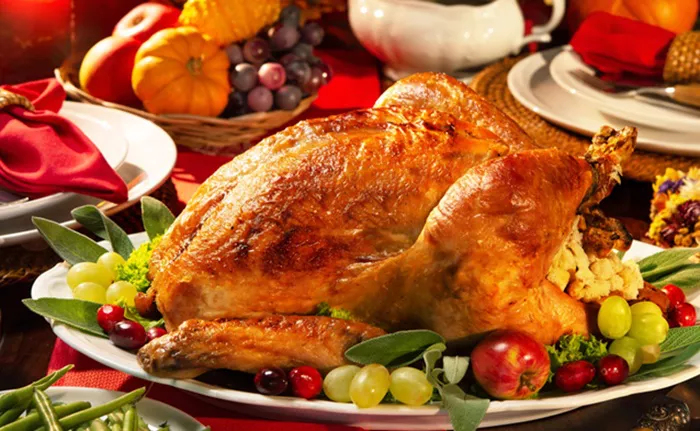
Thanksgiving is one of the most important food-centered holidays of the year. At the heart of the celebration sits the turkey. For many families, it is more than just a meal. It is tradition, memory, and comfort served on a large platter. Because the turkey plays such a central role, one question often causes stress: when should I buy turkey for Thanksgiving?
The answer depends on several factors. You need to consider whether you are buying a fresh or frozen turkey. You must think about storage space, thawing time, price trends, and store availability. You also need to understand food safety. Buying too early or too late can create unnecessary problems.
This guide explains the timing in detail. It breaks down the differences between fresh and frozen turkeys. It outlines shopping strategies. It discusses storage rules and food safety. By the end, you will know exactly when to buy your turkey and how to plan with confidence.
Understanding the Thanksgiving Timeline
Thanksgiving falls on the fourth Thursday of November in the United States. That fixed date shapes turkey purchasing patterns. Grocery stores begin preparing months in advance. Consumers often start planning in early November.
The key is to work backward from Thanksgiving Day. First, determine how you will cook the turkey. Then decide whether you want fresh or frozen. Finally, calculate how much time you need for thawing and preparation. This structured approach removes guesswork.
Fresh vs. Frozen Turkey: Why It Matters
Fresh Turkey
Fresh turkeys are never frozen below a certain temperature. They are typically available only in the week leading up to Thanksgiving. Many consumers believe fresh turkeys have better texture. Some chefs prefer them because they reduce thawing time.
However, fresh turkeys have a short shelf life. They must be kept refrigerated. Most fresh turkeys should be cooked within one to two days of purchase. This limits how early you can buy them.
Frozen Turkey
Frozen turkeys are widely available starting in October. They are flash-frozen shortly after processing. Freezing preserves quality for months when stored properly.
Frozen turkeys offer flexibility. You can buy them well in advance. They are often less expensive due to seasonal promotions. The main drawback is thawing time. A large turkey can take several days to thaw safely in the refrigerator.
When to Buy a Frozen Turkey
If you plan to buy a frozen turkey, you can purchase it as early as two to three weeks before Thanksgiving. Some people buy even earlier if freezer space allows. The earlier you shop, the wider the selection.
Most grocery stores offer discounts in early and mid-November. Retailers use turkeys as promotional items. Prices may drop significantly to attract shoppers. Buying during these promotions can reduce your holiday budget.
After purchase, store the turkey in your freezer immediately. Keep it at a stable freezing temperature. Avoid repeated temperature changes. Proper storage ensures that quality remains high until cooking day.
When to Buy a Fresh Turkey
If you prefer fresh turkey, timing becomes more precise. Most stores begin stocking fresh turkeys three to five days before Thanksgiving. You should plan to buy your fresh turkey one to two days before you intend to cook it.
Buying too early may risk spoilage. Fresh poultry is highly perishable. Even under refrigeration, it has limited shelf life. Always check the “use by” date on the packaging. Confirm that Thanksgiving Day falls within that date range.
If your grocery store allows pre-orders, consider reserving your fresh turkey one to two weeks in advance. This guarantees availability without requiring early storage.
How Much Thawing Time Do You Need
Thawing is a critical factor in deciding when to buy. The safest method is refrigerator thawing. This method requires planning.
As a general guideline, allow 24 hours of thawing time for every 4 to 5 pounds of turkey. For example:
- A 12-pound turkey needs about 3 days.
- A 16-pound turkey needs about 4 days.
- A 20-pound turkey needs about 5 days.
If Thanksgiving falls on Thursday, and you have a 20-pound turkey, you should move it from freezer to refrigerator by Saturday or Sunday. This means you must purchase it before that transfer date.
Cold water thawing is faster but requires careful monitoring. It demands continuous water changes and food safety awareness. For most households, refrigerator thawing is safer and simpler.
Shopping Early vs. Shopping Late
Advantages of Buying Early
Buying early reduces stress. Stores are less crowded in early November. You have more size options available. Specialty birds, such as organic or heritage turkeys, may sell out quickly.
Early shopping also allows better budgeting. You can take advantage of promotional pricing. You can spread holiday expenses over several weeks.
Risks of Buying Too Early
The main risk is storage. If freezer space is limited, buying too early can create inconvenience. Improper storage may affect quality. Always ensure your freezer is functioning correctly before long-term storage.
Advantages of Buying Late
Buying close to Thanksgiving is convenient for fresh turkey buyers. You do not need to manage extended storage. The product moves directly from store to refrigerator to oven.
Risks of Buying Too Late
Waiting until the last minute can be risky. Popular sizes may be sold out. Stores may be crowded. Stress levels rise as Thanksgiving approaches. If supply chain disruptions occur, late shoppers may have limited choices.
Choosing the Right Size
Timing also depends on size selection. Larger turkeys require more thawing time. They also sell out faster. As a general rule, plan for 1 to 1.5 pounds of turkey per person. This accounts for bone weight and leftovers.
If you expect 10 guests, a 12 to 15-pound turkey is usually sufficient. For larger gatherings, consider whether a single large turkey or two smaller ones works better. Two smaller turkeys thaw faster and cook more evenly.
Specialty Turkeys and Advanced Orders
Organic, free-range, kosher, and heritage turkeys require additional planning. These birds are often produced in smaller quantities. They may not be available in every supermarket.
If you want a specialty turkey, place your order at least two to three weeks before Thanksgiving. Some farms and butcher shops require even earlier reservations. Pickup usually occurs in the days just before the holiday.
Advanced ordering ensures availability. It also provides clarity on weight, pickup time, and pricing.
Food Safety Considerations
Proper timing protects health. Poultry can carry bacteria. Safe handling is essential from purchase to cooking.
When buying turkey, ensure it feels cold. Packaging should be intact. Avoid any product with tears or leakage. Refrigerate or freeze the turkey immediately after returning home.
During thawing, place the turkey on a tray. This prevents juices from contaminating other foods. Keep refrigerator temperature at or below safe levels. Never thaw turkey at room temperature.
Budget Planning and Price Trends
Turkey prices often fluctuate throughout November. Many retailers use turkeys as “loss leaders.” This means they sell them at low margins to attract shoppers. Monitoring weekly advertisements can help identify optimal pricing.
Buying during early promotional periods may provide cost savings. However, deeply discounted prices sometimes require minimum purchase amounts. Evaluate the total value rather than focusing only on turkey cost.
Storage Space Planning
Before purchasing early, measure available freezer space. Turkeys are bulky. A 20-pound turkey occupies significant room. Remove unnecessary items in advance to avoid overcrowding.
Good airflow in the freezer helps maintain consistent temperature. Avoid stacking items tightly around the turkey. Stable storage protects quality until cooking day.
Coordinating With Your Cooking Plan
Your cooking method influences timing. If you plan to brine the turkey, add extra time. Dry brining often requires one to three days in the refrigerator. Wet brining requires container space and careful refrigeration.
Smoking or deep-frying may require additional preparation steps. Always factor these into your purchasing timeline. Build in one extra day as a safety buffer. Unexpected delays are common during holiday cooking.
Managing Leftovers and Extra Purchases
Some families purchase an extra turkey when prices are low. This can be economical if freezer space allows. Frozen turkeys remain safe for extended periods when properly stored.
If you enjoy turkey beyond Thanksgiving, consider buying an additional bird during seasonal promotions. This strategy spreads holiday flavors throughout the year.
Regional Differences and Supply Factors
Availability can vary by region. Urban areas often have multiple grocery options. Rural areas may have limited supply. Weather events can also disrupt distribution.
In areas prone to heavy November storms, buying earlier may reduce risk. Planning ahead prevents last-minute travel in poor conditions.
Common Mistakes to Avoid
One common mistake is underestimating thawing time. Another is assuming fresh turkeys last as long as frozen ones. Some people forget to check refrigerator space before thawing.
Others delay purchasing specialty birds until it is too late. Avoid these errors by creating a written timeline. Clear planning eliminates confusion.
Practical Timeline Example
Assume Thanksgiving falls on November 28. You plan to serve a 18-pound frozen turkey. Here is a structured schedule:
- November 10–15: Purchase frozen turkey during promotions.
- November 23: Move turkey from freezer to refrigerator for thawing.
- November 26: Begin dry brining.
- November 28: Cook and serve.
This method ensures adequate thawing and preparation without stress.
Psychological Benefits of Early Planning
Thanksgiving involves coordination of multiple dishes and guests. Early turkey purchase reduces mental load. When the main ingredient is secured, other preparations feel manageable.
Confidence in timing creates a more relaxed holiday experience. Hosting becomes enjoyable rather than stressful.
Conclusion
The best time to buy turkey for Thanksgiving depends on your preferences and preparation style. If you choose a frozen turkey, purchase it two to three weeks in advance and allow sufficient thawing time. If you prefer a fresh turkey, buy it one to two days before cooking and confirm its freshness date. Specialty birds require even earlier planning.
Careful scheduling, safe storage, and clear preparation steps are essential. By working backward from Thanksgiving Day and considering thawing needs, you can eliminate uncertainty. With thoughtful timing, your turkey will be ready to take its rightful place at the center of your holiday table.