
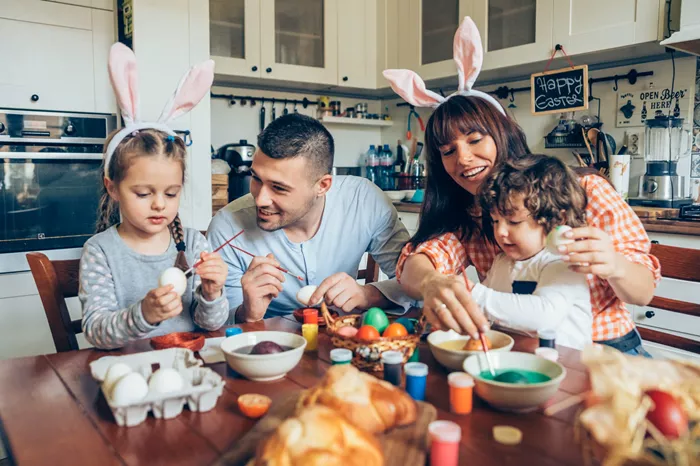
Easter is one of the most significant and widely celebrated holidays around the world. It is a time when families gather to honor traditions, spend quality time together, and celebrate the arrival of spring. For many, Easter is a religious occasion commemorating the resurrection of Jesus Christ, while for others it is a cultural holiday filled with joy, food, and fun activities. Families use this day to connect, create memories, and participate in customs that have been passed down through generations.
Religious Observances
Many families begin Easter by attending religious services. Churches often hold special services that include singing, prayer, and reading of scriptures. These ceremonies provide an opportunity for reflection and spiritual renewal. For families, attending these services together reinforces faith and shared values. Some families also participate in sunrise services, which are held early in the morning to symbolize the resurrection of Christ and the beginning of a new day.
Attending Church Services
Visiting a church on Easter Sunday is a tradition for millions of families. Churches are decorated with flowers and symbols of renewal, creating a serene atmosphere. Families often dress in their finest clothes for the occasion. Children may carry flowers or participate in special Easter programs organized by the church. Singing hymns and listening to sermons are central activities that allow families to feel spiritually connected and part of a larger community.
Prayer and Reflection at Home
For families who do not attend church, private prayer and reflection at home are common practices. Families may read religious texts together, pray for loved ones, or discuss the meaning of Easter. These moments of quiet reflection help strengthen family bonds and provide a sense of inner peace. Some families also light candles and create small home altars to mark the occasion.
Decorating and Preparing for Easter
Another popular activity is decorating homes and preparing for celebrations. Easter decorations often include colorful eggs, flowers, and festive banners. Families work together to create a joyful environment, making the home feel vibrant and welcoming. Preparing for Easter is also a way to teach children about traditions and encourage creativity.
Egg Decorating
One of the most well-known Easter traditions is decorating eggs. Families boil or hollow out eggs and paint them in bright colors and intricate designs. Some use stickers, glitter, or natural dyes made from vegetables and spices. Children especially enjoy this activity as it allows them to express their creativity. The decorated eggs are often used in games or displayed as part of the holiday décor.
Spring Decorations
Many families incorporate the theme of spring into their decorations. Fresh flowers, wreaths, and pastel-colored table settings are popular choices. Some families create Easter baskets filled with candies, small toys, and treats to place around the house. These decorations create a cheerful atmosphere and set the stage for Easter celebrations.
Traditional Easter Meals
Food plays a central role in Easter celebrations. Families often gather to share a special meal that includes both traditional and regional dishes. These meals are a chance for everyone to come together, enjoy delicious food, and create lasting memories.
Family Breakfasts
Many families start Easter with a special breakfast. This may include pancakes, waffles, fresh fruit, and baked goods. Some families serve hot cross buns, a sweet bread flavored with spices and marked with a cross on top. Sharing breakfast provides a calm and intimate start to the holiday and gives families time to talk and plan the day.
Easter Lunch or Dinner
The main meal of the day is often a lunch or dinner shared with extended family. Traditional dishes may include roasted meats, ham, lamb, or poultry. Side dishes often feature vegetables, salads, and potatoes. Desserts such as cakes, pies, and chocolates are popular treats, especially for children. Preparing these meals together allows families to bond while honoring cultural and culinary traditions.
Easter Egg Hunts
Easter egg hunts are a favorite activity for children and families. Eggs, often filled with candy or small toys, are hidden around the home or yard. Children search for these eggs, guided by hints or clues. Egg hunts are not only fun but also encourage teamwork, problem-solving, and excitement.
Organizing an Egg Hunt
Families often plan egg hunts carefully to ensure that children of different ages can participate safely. Small eggs may be hidden for younger children, while older children may search for larger or more hidden eggs. Parents sometimes create themed hunts, such as treasure maps or riddles, to make the activity more engaging. Prizes or baskets are usually given to children who find special eggs.
Community Egg Hunts
In addition to home activities, many communities organize public Easter egg hunts. Parks, schools, and community centers often host events that bring families together. These larger gatherings provide opportunities to meet other families, enjoy games, and participate in festive activities. Community egg hunts also teach children the joy of shared experiences and teamwork.
Crafts and Activities
Creative activities are an important part of Easter for families. Crafting projects allow children and adults to express themselves and create lasting mementos of the holiday. Families often spend hours painting, drawing, and making decorations together.
Making Easter Baskets
Constructing Easter baskets is a fun family activity. Children and parents work together to fill baskets with candies, small toys, and decorated eggs. Baskets may be personalized with names or themed decorations. This activity encourages creativity and strengthens family bonds.
DIY Decorations and Cards
Many families make their own decorations and greeting cards. These can be used to adorn the home or to send messages to relatives and friends. Using simple materials such as paper, markers, and stickers, families can create colorful and meaningful items. This not only entertains children but also allows them to contribute to the holiday celebration in a meaningful way.
Outdoor Activities
When the weather permits, families enjoy spending time outdoors during Easter. Activities like picnics, nature walks, and garden games add an element of fun and exercise to the holiday. Spring is often associated with renewal and new life, making outdoor activities especially appropriate.
Picnics and Barbecues
Many families take advantage of the pleasant spring weather to enjoy picnics or barbecues. Parks, gardens, and backyards become gathering spots where families can eat, play games, and relax. Outdoor meals often include sandwiches, salads, grilled meats, and seasonal fruits. Sharing food in a natural setting enhances the festive mood and allows families to connect in a relaxed atmosphere.
Nature Walks and Spring Exploration
Exploring nature is a favorite Easter activity. Families may go on hikes, visit botanical gardens, or take leisurely walks in local parks. Observing blooming flowers, chirping birds, and fresh greenery provides a sense of renewal and joy. Children often enjoy collecting leaves, flowers, or small treasures found on these walks, creating memories that last a lifetime.
Family Games and Entertainment
Games and entertainment are central to Easter celebrations. Families often play both indoor and outdoor games that bring everyone together. These activities promote laughter, teamwork, and friendly competition.
Traditional Games
Some families play traditional Easter games such as egg rolling, egg tapping, or relay races. These games are often passed down through generations and hold sentimental value. Participating in these activities helps children learn about family history and cultural traditions.
Board Games and Puzzles
For families spending time indoors, board games and puzzles are popular choices. Games like charades, card games, and cooperative board games provide opportunities for fun, strategy, and interaction. Completing puzzles together can be a relaxing yet engaging activity that strengthens family bonds.
Visiting Friends and Relatives
Easter is also a time for social visits. Families often visit friends and relatives to exchange greetings, share meals, and celebrate together. These visits reinforce relationships and expand the sense of community.
Hosting Gatherings
Some families prefer to host gatherings at their homes. Hosting provides a chance to showcase decorations, prepare special meals, and create a welcoming environment. Games, music, and storytelling are often part of these gatherings, making them enjoyable for both children and adults.
Attending Community Events
Community events such as fairs, parades, and concerts are popular during Easter. Families attend these events to enjoy entertainment, food, and cultural activities. Participating in community celebrations helps children learn about local traditions and fosters a sense of belonging.
Charitable Activities and Acts of Kindness
Many families also use Easter as a time to give back. Acts of kindness, volunteering, and charity are ways to share the spirit of the holiday with those in need. These activities teach children the value of empathy, generosity, and social responsibility.
Donating to Charity
Families may collect and donate food, clothes, or toys to local charities. Some participate in fundraising events or community service projects. These activities help families feel connected to a larger purpose and demonstrate the importance of helping others.
Visiting the Elderly or Sick
Visiting nursing homes, hospitals, or community centers is another way families celebrate Easter. Spending time with elderly or sick individuals, offering small gifts, or performing songs can brighten someone’s day. These gestures teach children compassion and encourage family members to think beyond themselves.
Cultural and Regional Traditions
Easter celebrations vary greatly depending on cultural and regional backgrounds. Different countries and communities have unique customs that families may incorporate into their holiday activities.
European Traditions
In many European countries, families participate in parades, feasts, and egg-related customs. For example, in some countries, people decorate town squares and hold public performances. These traditions reflect centuries-old customs that continue to bring families together.
American Traditions
In the United States, Easter is often associated with egg hunts, church services, and family meals. Some regions have unique traditions such as the White House Easter Egg Roll in Washington, D.C. Families across the country blend religious observances with cultural activities to create a diverse and enjoyable holiday experience.
Conclusion
Families celebrate Easter in many ways, combining religious observances, creative activities, festive meals, outdoor fun, and acts of kindness. Whether attending church services, decorating eggs, enjoying a meal together, or participating in community events, Easter provides an opportunity for families to connect, create lasting memories, and embrace the spirit of renewal. By engaging in these traditions, families reinforce bonds, honor cultural and religious customs, and enjoy a meaningful holiday together.