
Easter Sunday Mass is the most important liturgical celebration in the Christian calendar. It commemorates the resurrection of Jesus Christ from the dead. For Christians, especially those in the Catholic, Orthodox, and many Protestant traditions, this event is the foundation of faith. Without the resurrection, there would be no Christianity. Therefore, Easter Sunday is not simply a holiday. It is a sacred and joyful proclamation that life triumphs over death.
Easter Sunday Mass takes place at the end of Holy Week. Holy Week begins with Palm Sunday and includes Holy Thursday and Good Friday. Good Friday remembers the crucifixion of Jesus. Easter Sunday celebrates His rising on the third day. The Mass is filled with symbolism, scripture, music, light, and ritual actions that express hope and renewal.
This article explains in detail what happens during Easter Sunday Mass. It follows the structure of the liturgy and highlights the meaning behind each part. The explanations are clear and simple. By understanding each element, readers can better appreciate the depth and beauty of this sacred celebration.
The Atmosphere Before Mass Begins
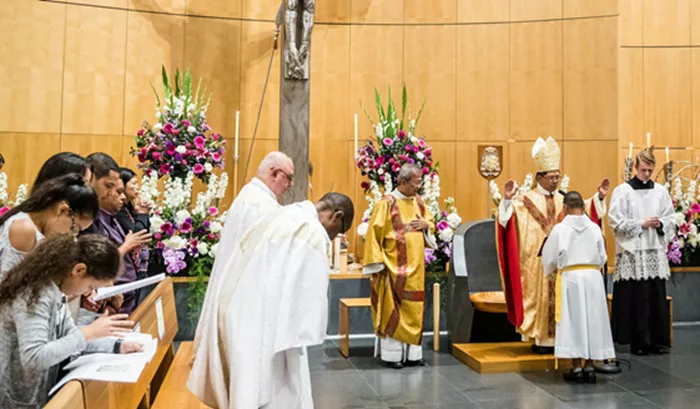
Before the Mass begins, churches are often decorated beautifully. Flowers such as lilies are placed around the altar. The color white or gold is used for vestments and decorations. These colors symbolize purity, victory, and joy.
The church, which may have felt quiet and solemn on Good Friday, now feels alive. Bells may ring. Candles are lit. The altar is fully decorated again. The mood changes from sorrow to celebration.
People often dress in their best clothing. Families gather together. Many who do not attend church regularly come on this day. The atmosphere is joyful but reverent.
The Entrance Procession
The Mass begins with an entrance procession. The priest, deacons, and altar servers walk down the aisle toward the altar. A cross is carried at the front. Candles may be carried beside it.
During this procession, the congregation stands and sings a joyful hymn. The music is triumphant. In many churches, the hymn proclaims, “Christ is risen.” The organ and choir may play with special energy.
The procession symbolizes the gathered community moving together toward God. It also reminds believers of the risen Christ leading His people.
The Sign of the Cross and Greeting
When the priest reaches the altar, he kisses it as a sign of reverence. Then he begins the Mass with the Sign of the Cross. The congregation responds together. This action reminds everyone of their baptism and their faith in the Trinity.
The priest greets the people. He often says, “The Lord be with you.” The congregation answers, “And with your spirit.” This greeting expresses unity between the priest and the people.
The Penitential Act
Even on this joyful day, the Mass includes a moment of reflection. The congregation acknowledges their sins and asks for mercy. This is called the Penitential Act.
However, the tone is not heavy or sorrowful. Instead, it recognizes that the resurrection brings forgiveness and new life. The community prepares their hearts to celebrate worthily.
The Gloria
The Gloria is a hymn of praise that begins with the words, “Glory to God in the highest.” It is sung on Sundays outside of Lent and Advent. During Lent, it is not sung. Therefore, when it returns at Easter, it feels especially powerful.
Bells may ring during the Gloria. The music is full and joyful. The congregation sings loudly. This hymn expresses thanksgiving and praise for God’s greatness.
The Liturgy of the Word
The Liturgy of the Word is the first major part of the Mass. It focuses on scripture readings from the Bible. On Easter Sunday, the readings are carefully chosen to proclaim the resurrection.
First Reading
The first reading usually comes from the Acts of the Apostles. It often describes how the early disciples witnessed and preached the resurrection of Jesus. This reading shows how the resurrection changed their lives.
Responsorial Psalm
The Responsorial Psalm is sung or recited. The congregation responds with a repeated phrase. On Easter, the psalm often declares, “This is the day the Lord has made; let us rejoice and be glad.”
Second Reading
The second reading often comes from the letters of Saint Paul. It explains the theological meaning of the resurrection. It reminds believers that they share in Christ’s victory over sin and death.
The Gospel
The Gospel reading is the most important reading of the day. Everyone stands as a sign of respect. The priest or deacon proclaims the story of the empty tomb. This reading may describe Mary Magdalene or the disciples discovering that Jesus has risen.
The Gospel is greeted with special acclamations such as “Alleluia,” which returns after being absent during Lent. The word “Alleluia” expresses joy and praise.
The Homily
After the Gospel, the priest gives a homily. This is a reflection on the scripture readings. The homily explains the meaning of the resurrection and its importance for daily life.
The priest may speak about hope, renewal, and faith. He may remind the congregation that Easter is not just about the past. It is about living as people of resurrection today.
The Profession of Faith
The congregation stands and recites the Creed. This statement summarizes Christian belief. On Easter Sunday, the words about the resurrection carry special weight.
In some churches, the renewal of baptismal promises replaces the Creed. The priest may sprinkle holy water on the congregation. This reminds everyone of their baptism and new life in Christ.
The Prayer of the Faithful
The community offers prayers for the Church, world leaders, the sick, and those in need. These prayers reflect the universal nature of Easter. The resurrection is proclaimed as good news for all people.
The Liturgy of the Eucharist
The second major part of the Mass is the Liturgy of the Eucharist. This is the central act of worship.
The Preparation of the Gifts
Members of the congregation bring bread and wine to the altar. These simple gifts will become the Body and Blood of Christ according to Catholic belief.
The priest prepares the altar and prays quietly. The congregation may sing during this time.
The Eucharistic Prayer
This is the heart of the Mass. The priest gives thanks to God. He recalls the Last Supper of Jesus. He repeats the words Jesus spoke over the bread and wine.
According to Catholic teaching, the bread and wine become the real presence of Christ. The congregation kneels in reverence.
On Easter, this prayer emphasizes the mystery of the resurrection. It celebrates Christ’s victory and eternal life.
The Lord’s Prayer
The congregation stands and prays the Lord’s Prayer together. This prayer unites all Christians. It asks for daily bread and forgiveness.
The Sign of Peace
The priest invites the congregation to offer one another a sign of peace. People shake hands or exchange greetings. On Easter, this gesture feels especially joyful.
Holy Communion
The faithful come forward to receive Communion. They receive the consecrated host, and sometimes the chalice. This act expresses unity with Christ and with the community.
Music is played softly during Communion. Many people pray silently.
The Concluding Rites
After Communion, there is a final prayer. The priest may offer special Easter blessings. He then dismisses the congregation with words such as, “Go in peace, alleluia, alleluia.”
The people respond with gratitude. A joyful hymn is often sung as the priest and ministers process out of the church.
Special Easter Traditions
In some places, Easter Sunday Mass includes special cultural traditions. In Orthodox churches, people greet each other with the words “Christ is risen,” and respond, “Indeed He is risen.”
In many Catholic parishes, the Easter Vigil the night before includes baptisms and confirmations. Those newly baptized may participate in Easter Sunday Mass as full members of the Church.
Some communities hold processions or festive meals after Mass. Families gather for celebration. Eggs and other symbols of new life are shared.
The Spiritual Meaning of Easter Sunday Mass
Easter Sunday Mass is more than a ceremony. It is a proclamation of hope. It declares that suffering and death do not have the final word.
The light, music, scripture, and Eucharist all point to new life. For believers, this celebration renews faith and strengthens commitment.
Each part of the Mass has deep meaning. The readings tell the story. The homily explains it. The Eucharist makes it present. The dismissal sends believers into the world with renewed courage.
Conclusion
Easter Sunday Mass is the central celebration of the Christian year. It honors the resurrection of Jesus Christ and proclaims victory over death. The Mass moves from joyful procession to scripture, from proclamation to Eucharist, and finally to mission. Every gesture, prayer, and hymn expresses hope and renewal. By understanding what happens during this sacred liturgy, readers can see that Easter Sunday Mass is not only a tradition. It is a powerful expression of faith, community, and new life.