
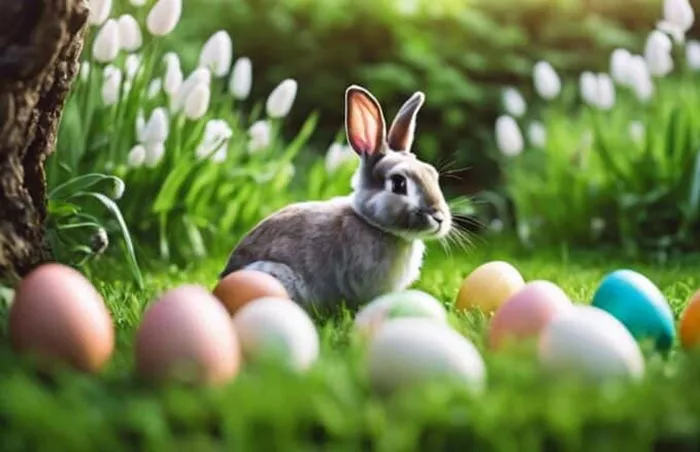
The rabbit is one of the most familiar symbols of Easter. In many countries, children wake up on Easter morning expecting visits from a mysterious creature known as the Easter Bunny. This rabbit is said to bring colored eggs, sweets, and small gifts. But many people ask an important question: what does the rabbit really mean in Easter?
To understand the meaning of the rabbit in Easter, we must explore history, religion, folklore, and cultural traditions. The Easter rabbit is not directly mentioned in the Bible. Instead, it developed over time through a combination of ancient spring symbols, European folk customs, and Christian celebration. Today, the rabbit stands as a powerful symbol of life, renewal, fertility, and hope.
This article explains the origin, development, and deeper meaning of the Easter rabbit. It will examine ancient traditions, Christian symbolism, regional customs, and modern commercial influences. By the end, you will clearly understand why the rabbit became an important figure in Easter celebrations.
The Religious Meaning of Easter
Easter in Christianity
Easter is the most important festival in Christianity. It celebrates the resurrection of Jesus Christ. According to the New Testament, Jesus rose from the dead three days after his crucifixion. This event represents victory over death and the promise of eternal life.
The word “Easter” in English may be linked to older spring festivals, but for Christians, its meaning centers on resurrection and renewal. The timing of Easter follows the lunar calendar. It falls on the first Sunday after the first full moon following the spring equinox.
Symbols of Resurrection
Christian Easter traditions often include symbols of new life. Eggs are one of the most important examples. The egg represents the tomb from which Christ emerged. Just as a chick breaks out of its shell, Jesus rose from the grave.
While the rabbit is not mentioned in scripture, it became associated with Easter because it also symbolizes life and renewal. Its connection comes mainly from its biological characteristics and older cultural meanings.
The Rabbit as a Symbol of Fertility
Biological Characteristics of Rabbits
Rabbits are known for their ability to reproduce quickly. They reach maturity at a young age and can have several litters each year. This natural fertility made them strong symbols of abundance and new life in many ancient cultures.
Because Easter takes place in spring, a season when plants grow and animals give birth, the rabbit became a natural symbol of this time of renewal. People saw rabbits as visible signs that winter had ended and life was returning to the land.
Spring and Rebirth
In agricultural societies, spring was a season of hope. Crops were planted, animals were born, and days became longer. The rabbit, active and energetic in spring fields, represented the renewal of nature.
Over time, these natural observations blended with religious celebration. As Christianity spread across Europe, older seasonal symbols were adapted into Christian festivals. The rabbit became one such symbol connected with Easter.
Ancient Pagan Influences
Connection to Eostre
Some historians connect the Easter rabbit to a Germanic goddess named :contentReference[oaicite:0]{index=0}. According to early writings, Eostre was associated with spring and fertility. Her festival may have been celebrated around the spring equinox.
Although historical evidence about Eostre is limited, later folklore suggests that the hare was her sacred animal. Because hares and rabbits were associated with fertility and the moon, they became linked with seasonal renewal festivals.
Hares in European Folklore
In European mythology, hares often symbolized mystery and transformation. Some traditions believed that witches could transform into hares. Others saw the animal as magical because of its nocturnal habits and swift movement.
These older beliefs influenced how people viewed rabbits during spring celebrations. When Christianity replaced many pagan traditions, certain symbols were not removed but reinterpreted. The rabbit gradually became a harmless and joyful part of Easter festivities.
The German Origin of the Easter Bunny
Der Osterhase
The modern Easter Bunny tradition can be traced to Germany. In the 17th and 18th centuries, German folklore described an egg-laying hare known as the “Osterhase.” This rabbit judged whether children had behaved well. If they had, it would leave colored eggs in nests that children prepared.
German immigrants brought this custom to America in the 1700s. The tradition became popular in Pennsylvania and later spread throughout the United States.
Arrival in America
As the Easter Bunny tradition spread in America, it evolved. Children began leaving baskets instead of nests. The rabbit brought chocolate, candy, and small toys. Over time, this playful custom became a central part of Easter celebrations in many countries.
Despite these changes, the core meaning remained connected to spring, fertility, and renewal.
The Relationship Between Rabbits and Eggs
The Egg as a Universal Symbol
The egg has long represented life. In many cultures, eggs symbolized the beginning of the world or the origin of creation. In Christian practice, eggs became associated with resurrection.
During Lent, early Christians often avoided eating eggs. When Easter arrived, eggs became part of celebration. They were decorated and shared.
Why a Rabbit Brings Eggs
Biologically, rabbits do not lay eggs. The combination of rabbit and egg is symbolic rather than literal. Both represent fertility and life. When combined, they strengthen the message of abundance and renewal.
The idea of an egg-laying rabbit also adds a sense of magic and imagination. This imaginative aspect makes Easter joyful for children.
The Easter Rabbit in Modern Culture
Commercial Influence
In the 19th and 20th centuries, commercialization increased the popularity of the Easter Bunny. Chocolate companies began producing rabbit-shaped sweets. Greeting cards featured friendly rabbits. Advertising campaigns made the rabbit a universal Easter symbol.
Today, stores display chocolate rabbits, stuffed animals, and decorations weeks before Easter. The rabbit has become both a cultural and economic symbol of the holiday season.
Media and Popular Representation
The Easter Bunny appears in books, cartoons, and films. It is often shown as a cheerful character delivering baskets of treats. While this image is playful, it still reflects deeper themes of generosity and renewal.
Symbolism Across Cultures
Europe
In Germany, Switzerland, and parts of Austria, the Easter hare remains a traditional figure. In other European regions, different animals bring eggs, such as foxes or storks.
North America
In the United States and Canada, the Easter Bunny is widely recognized. Egg hunts are common activities. Families gather for meals and religious services.
Australia
In Australia, rabbits are considered pests because they damage crops and ecosystems. As a result, some communities promote the Easter Bilby instead of the rabbit. The bilby is a native Australian animal, and its use raises environmental awareness.
The Psychological Meaning of the Easter Rabbit
Hope and Optimism
After a long winter, spring brings light and warmth. The rabbit represents energy and movement. Its appearance during Easter reinforces feelings of hope.
Childhood Imagination
The Easter Bunny also supports imagination and storytelling. Like Santa Claus at Christmas, it gives children a sense of wonder. Rituals such as egg hunts create family memories and emotional connection.
Theological Perspectives
Debates About Symbolism
Some Christians question whether the rabbit distracts from the religious meaning of Easter. They argue that commercial symbols may overshadow the message of resurrection.
Others believe cultural symbols can coexist with religious belief. The rabbit, in this view, does not replace Christ but adds a seasonal expression of joy.
Conclusion
The rabbit in Easter symbolizes life, fertility, renewal, and hope. Its meaning developed from ancient spring traditions, European folklore, and Christian celebration. Although the rabbit is not a biblical figure, it became connected to Easter because it represents the return of life after winter. Through migration and cultural change, the Easter Bunny became a global symbol of joy and generosity.
Today, the Easter rabbit carries both historical depth and modern charm. It reminds people of nature’s renewal, childhood wonder, and the promise of new beginnings. Whether seen through religious, cultural, or seasonal perspectives, the rabbit remains one of the most meaningful and enduring symbols of Easter.