
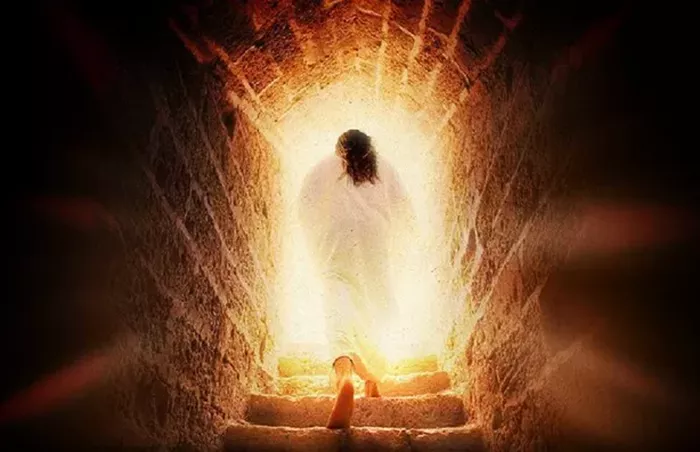
Easter is celebrated worldwide as the day of Jesus Christ’s resurrection from the dead. It marks the cornerstone of Christian faith, symbolizing victory over sin and death. While many are familiar with the events leading up to Easter, fewer understand what happened after this pivotal moment. The period following Easter, often referred to as the post-resurrection period, holds significant importance in the Christian tradition. This article explores the actions, teachings, and travels of Jesus after Easter, based on biblical accounts and historical interpretations. By understanding these events, we gain insight into how Jesus reinforced his message and prepared his followers for the future.
The Appearance to Mary Magdalene
One of the first recorded events after Easter was Jesus appearing to Mary Magdalene. According to the Gospel of John, Mary went to the tomb early in the morning and found it empty. She encountered Jesus near the tomb, although initially, she did not recognize him. Jesus spoke to her and instructed her to tell his disciples about his resurrection. This moment emphasizes the role of women as the first witnesses to the resurrection and highlights Mary Magdalene’s important place in the early Christian community.
Jesus Appears to the Disciples
Following his appearance to Mary Magdalene, Jesus revealed himself to his disciples. On multiple occasions, he appeared to them in closed rooms, demonstrating that he had truly risen from the dead. These appearances were crucial in strengthening the faith of his followers, many of whom were initially fearful and confused. Jesus reassured them, saying, “Peace be with you,” and explained that his resurrection fulfilled the prophecies found in scripture.
Journey to Emmaus
One notable post-resurrection event is the journey to Emmaus. Two disciples were walking to the village of Emmaus, discussing recent events in Jerusalem. Jesus joined them, but they did not recognize him at first. During the walk, he explained the scriptures and how they foretold his death and resurrection. When they arrived at Emmaus, Jesus broke bread with them, and their eyes were opened. This story illustrates the transformative power of understanding scripture and the importance of spiritual discernment.
Demonstrating His Physical Presence
Jesus also took deliberate steps to prove that his resurrection was physical, not merely spiritual. He allowed his disciples to touch him, and he ate food in their presence. In Luke 24:39, Jesus said, “Look at my hands and my feet. It is I myself. Touch me and see; a ghost does not have flesh and bones, as you see I have.” These actions confirmed the reality of his resurrection and distinguished it from a vision or hallucination.
Teaching and Preparing the Disciples
During the forty days following Easter, Jesus spent time teaching his disciples. He explained the meaning of his life, death, and resurrection, and instructed them on how to continue his mission. He emphasized the importance of spreading his teachings to all nations, baptizing believers, and making disciples. This period was essential for equipping the disciples with knowledge, courage, and faith to lead the early Christian community.
The Great Commission
One of the most significant instructions given by Jesus after Easter is known as the Great Commission. According to the Gospel of Matthew, Jesus commanded his disciples to go and make disciples of all nations, baptizing them in the name of the Father, the Son, and the Holy Spirit. He promised to be with them always, even to the end of the age. This directive laid the foundation for Christian evangelism and the global spread of Christianity.
Appearances to Larger Groups
Jesus did not limit his post-resurrection appearances to small groups. He also appeared to larger groups of followers, providing opportunities for communal witnessing. One example includes his appearance to more than 500 people at once, as mentioned in 1 Corinthians 15:6. These gatherings reinforced the collective faith of early Christians and provided evidence that the resurrection was a shared experience witnessed by many.
Encounters with Thomas
One notable post-Easter story is the encounter with Thomas, often called “Doubting Thomas.” Thomas initially doubted Jesus’ resurrection and demanded to see and touch the wounds of Jesus. When Jesus appeared to him and invited him to do so, Thomas believed, exclaiming, “My Lord and my God!” This encounter highlights the importance of personal experience in faith and the compassion of Jesus toward those who struggle with doubt.
Traveling Through Galilee
After Easter, Jesus also spent time in Galilee, the region where he conducted much of his ministry. He appeared to his disciples while they were fishing and performed miraculous acts, including helping them catch an abundant number of fish. These appearances strengthened their confidence and reaffirmed Jesus’ role as a guide and leader. Galilee became a central location for teaching, fellowship, and preparation for the mission ahead.
Reaffirming Faith and Hope
The post-resurrection period of Jesus’ life served to reaffirm faith and hope among his followers. His appearances, teachings, and miraculous acts were meant to show that death was not the end. Jesus demonstrated that life, in its fullest sense, continues beyond physical death. This message has inspired countless generations of Christians, emphasizing perseverance, trust, and spiritual growth.
The Ascension
The final major event after Easter was the Ascension. Forty days after his resurrection, Jesus led his disciples to the Mount of Olives. There, he blessed them and ascended into heaven. This event marked the completion of his earthly ministry and signaled the beginning of the disciples’ mission to spread his teachings to the world. The Ascension is celebrated as a reminder of Jesus’ divine authority and the promise of eternal life for believers.
Impact on Early Christianity
The actions of Jesus after Easter had a profound impact on the early Christian community. His resurrection appearances provided tangible proof of his divinity, inspiring his disciples to preach and convert others. The post-resurrection teachings shaped the foundation of Christian doctrine and practice, emphasizing faith, repentance, and the hope of eternal life. These events were recorded in the New Testament and have influenced Christian worship, liturgy, and theology for centuries.
Conclusion
After Easter, Jesus’ actions were centered on proving his resurrection, teaching his disciples, and preparing them for the mission ahead. From appearances to individuals like Mary Magdalene and Thomas, to groups of disciples and even large gatherings, he provided evidence of his physical resurrection and conveyed crucial spiritual lessons. His journey through Galilee, the Great Commission, and the Ascension collectively reinforced the faith of his followers and laid the groundwork for the spread of Christianity. Understanding what Jesus did after Easter allows believers and scholars alike to appreciate the transformative power of his resurrection and the enduring influence it has on Christian life and faith.
Related topics: