
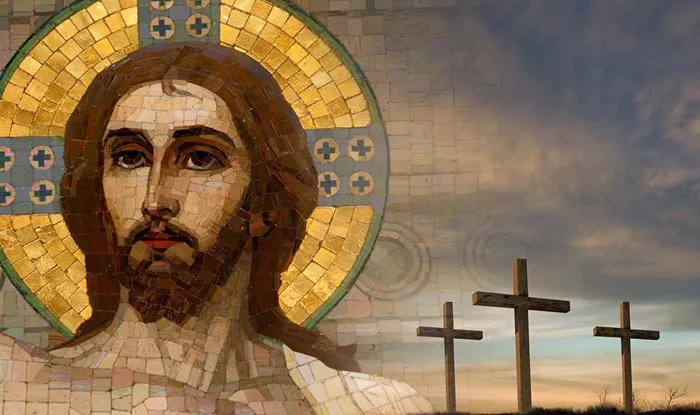
Easter Sunday marks one of the most important days in the Christian calendar. It celebrates the resurrection of Jesus Christ and is observed with great enthusiasm across the world. However, the days following Easter Sunday are often overlooked, despite holding significant cultural, religious, and social importance. In this article, we will explore what happens after Easter Sunday, focusing on both religious practices and secular traditions, providing a complete picture of this period.
The Day After Easter: Easter Monday
The immediate day after Easter Sunday is known as Easter Monday. For many countries, it is a public holiday, allowing people to rest after the intense celebrations of Easter Sunday. In some cultures, Easter Monday has unique customs that differ from the main Easter celebrations.
Religious Observances on Easter Monday
In Christian traditions, Easter Monday continues the celebration of the resurrection. Some churches hold special services, including prayers and readings, to extend the joy and reflection of Easter Sunday. In certain countries, there are processions and outdoor religious ceremonies, allowing communities to gather and reinforce their faith.
Secular Traditions of Easter Monday
Across Europe and North America, Easter Monday has its own set of secular traditions. In countries like the United Kingdom, the day is often marked by egg rolling competitions and outdoor games. In Poland and Hungary, there is the famous “Śmigus-Dyngus,” or Wet Monday, where people sprinkle water on each other as a sign of cleansing and renewal. These traditions give Easter Monday a festive, social aspect beyond religious significance.
The Week Following Easter: Bright Week
The period immediately following Easter Sunday is sometimes referred to as Bright Week in Orthodox Christian traditions. This week is dedicated to celebrating the resurrection of Christ and is marked by joy, feasting, and continuous church services.
Church Practices During Bright Week
During Bright Week, churches hold daily services that focus on the resurrection. Hymns are sung repeatedly, and the atmosphere in the church is one of joy and light. In some regions, clergy wear white vestments, symbolizing purity and the triumph of life over death. The emphasis is on celebration rather than penance, which contrasts with the solemnity of Lent.
Community Celebrations
Bright Week also involves community gatherings. In many villages, local festivals, fairs, and public events are organized. These gatherings allow people to share meals, exchange gifts, and participate in recreational activities. The social aspect of Bright Week strengthens community bonds and provides a continuation of the festive spirit from Easter Sunday.
Food and Culinary Traditions After Easter
Food plays a major role in post-Easter celebrations. While Easter Sunday often features special meals like roast lamb, ham, and sweet pastries, the days following Easter continue to offer culinary delights.
Leftovers and Special Dishes
Families often use leftovers from Easter Sunday to prepare additional meals. Traditional dishes such as egg salads, Easter breads, and pastries are repurposed for lunches and dinners throughout the week. In Italy, “colomba,” a dove-shaped sweet bread, may be enjoyed for several days after Easter.
Festive Foods in Different Cultures
In countries like Greece, Easter Monday may involve picnics with family and friends, featuring grilled meats and seasonal vegetables. In Spain, local festivals after Easter often include communal meals where traditional dishes are shared. Food continues to be both a cultural and social connector in the days following Easter Sunday.
Children and Post-Easter Activities
Children also play an important role in post-Easter traditions. After the excitement of Easter egg hunts on Sunday, many communities organize additional games and activities in the days after.
Egg Hunts and Games
In some regions, egg hunts continue into Easter Monday or even later in the week. Schools and local organizations may host these events, combining fun with educational elements, such as storytelling about the Easter story or the symbolism of eggs.
Crafts and Learning Activities
Children are often encouraged to participate in Easter-themed crafts, such as decorating eggs, making paper lilies, or creating small gifts for family members. These activities reinforce the cultural significance of Easter and help children engage creatively with the holiday.
Religious Reflections and Spiritual Renewal
Beyond the celebrations and festivities, the days following Easter Sunday are also a time for spiritual reflection. Many Christians use this period to contemplate the meaning of resurrection in their lives and to commit to personal growth and moral renewal.
Daily Devotions
Some Christians engage in daily devotions, prayers, or Bible readings after Easter Sunday. These practices help reinforce faith and provide a structured way to carry the joy of Easter into daily life. Churches may provide reading plans or guidebooks to help the congregation maintain focus on spiritual growth.
Community Service
For some, the days after Easter are an opportunity to serve the community. Acts of charity, visiting the sick, or supporting local initiatives are seen as ways to express the love and hope that Easter represents. This extends the spiritual significance of the holiday beyond personal celebration.
Festivals and Public Events After Easter
Many countries have large-scale festivals and public events following Easter. These events often combine religious significance with cultural celebration and provide an opportunity for tourists and locals alike to participate.
Parades and Processions
In cities such as Seville, Spain, Easter processions continue into the days after Easter Sunday. These parades feature elaborate floats, music, and traditional costumes, allowing communities to celebrate collectively while attracting visitors from around the world.
Seasonal Fairs and Markets
Spring fairs, markets, and craft exhibitions often take place after Easter. These events allow artisans to display their works, farmers to sell seasonal produce, and families to enjoy recreational activities. The continuation of public events after Easter Sunday contributes to the festival atmosphere in towns and cities.
Global Variations in Post-Easter Traditions
The days following Easter Sunday are not celebrated uniformly around the world. Each country and culture has developed unique ways of observing this period, combining religious, cultural, and social practices.
European Traditions
In countries such as Germany, Austria, and Switzerland, Easter Monday is associated with outdoor games, family gatherings, and local fairs. In Eastern European countries like Poland and Hungary, playful traditions such as the “Wet Monday” are an integral part of the post-Easter festivities.
North American Practices
In the United States and Canada, the focus is more on family gatherings, picnics, and community activities. Many towns organize Easter-themed parades or festivals that extend beyond Easter Sunday, maintaining engagement with the holiday throughout the week.
Latin American Celebrations
In Latin America, countries such as Mexico and Guatemala continue Easter observances with processions, reenactments, and public festivals. The period following Easter Sunday is filled with music, dance, and communal meals, reflecting the blending of indigenous and Christian traditions.
Economic and Social Impact
The period after Easter Sunday also has economic and social implications. Businesses, especially those in retail, tourism, and food services, experience increased activity during this time. Seasonal tourism peaks in some areas, and local economies benefit from festival-related spending.
Tourism and Travel
Many people use the extended holiday period after Easter to travel. Tourist destinations with historical or religious significance see increased visitors. Hotels, restaurants, and local transport services experience a surge in demand, boosting regional economies.
Community Engagement
Post-Easter activities foster stronger community bonds. Festivals, fairs, and volunteer initiatives encourage residents to engage socially. These interactions contribute to a sense of belonging and shared cultural identity, extending the positive effects of Easter Sunday into the days that follow.
Environmental Considerations
As communities celebrate after Easter, environmental awareness has become increasingly important. Festivals and large gatherings can have an impact on local ecosystems, prompting organizers to adopt sustainable practices.
Eco-Friendly Celebrations
Some communities focus on reducing waste by using reusable decorations, promoting recycling, and encouraging environmentally friendly transportation options. These practices help ensure that post-Easter celebrations are both joyful and responsible.
Green Initiatives in Festivals
Garden and park events after Easter often include tree planting, community cleanups, and educational programs about sustainability. These initiatives link the themes of renewal and life inherent in Easter to tangible environmental actions.
Modern Adaptations of Post-Easter Traditions
In the modern era, post-Easter traditions have adapted to contemporary lifestyles. Technology, social media, and urbanization have influenced how people celebrate after Easter Sunday.
Digital Celebrations
Many communities now use social media to share Easter memories, photos, and videos. Virtual events and online workshops allow people to participate in post-Easter activities even when they cannot attend physically.
Urban Festival Culture
In urban areas, post-Easter events may include concerts, street performances, and city-sponsored cultural programs. These adaptations bring traditional celebrations into modern contexts, making them accessible to a wider audience while maintaining cultural significance.
Health and Wellness After Easter
After the indulgence of Easter meals and sweets, some people focus on health and wellness in the days following Easter Sunday.
Dietary Adjustments
Many individuals return to balanced diets, incorporating fresh vegetables, fruits, and lighter meals. This reflects a conscious effort to maintain health after festive indulgence.
Physical Activities
Community runs, walks, or sports events are sometimes organized after Easter. These activities provide both recreational enjoyment and an opportunity for physical fitness, reinforcing well-being after the holiday.
Conclusion
The days following Easter Sunday are rich with meaning, blending religious observance, cultural traditions, and social activities. From Easter Monday celebrations to Bright Week services, from culinary traditions to community festivals, the period after Easter offers opportunities for reflection, joy, and communal engagement. Whether through spiritual practices, family gatherings, or public events, these days extend the festive atmosphere of Easter Sunday while reinforcing values of renewal, hope, and connection. Observing what happens after Easter Sunday allows us to appreciate the full impact of this important celebration, both historically and in modern times.
Related topics: