
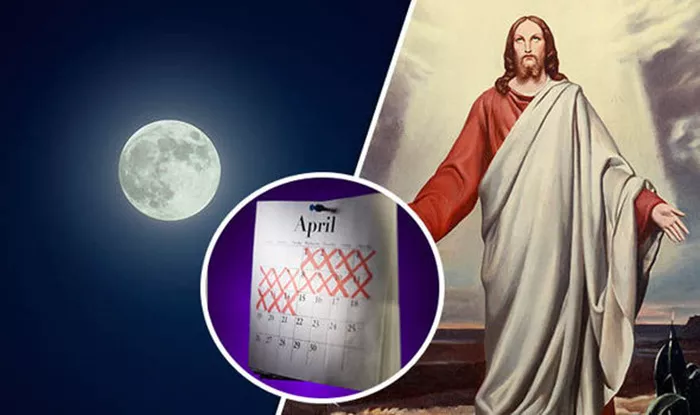
Easter is one of the most important holidays in the Christian calendar. It celebrates the resurrection of Jesus Christ after his crucifixion. While the holiday is widely celebrated, many people are often unsure about when it occurs each year. Unlike Christmas, Easter does not have a fixed date. Instead, it changes annually, which can make planning for it a little tricky. In this article, we will explore the latest date for Easter, explain how it is calculated, and provide insights into its history and significance.
The Significance of Easter
Easter is central to Christianity because it commemorates Jesus Christ’s resurrection. According to Christian belief, this event symbolizes hope, renewal, and eternal life. Easter is preceded by Lent, a 40-day period of fasting, reflection, and penance. Many traditions, such as attending church services, decorating eggs, and sharing festive meals, revolve around this holiday.
Understanding the Easter Date
The date of Easter varies each year. It can fall anywhere between March 22 and April 25. This variation is due to the way Easter is calculated, which is based on the lunar calendar rather than the solar calendar used for most Western holidays. The official formula for determining Easter is a combination of solar and lunar calendar calculations.
The Role of the Moon
Easter is linked to the Paschal Full Moon, the first full moon after the vernal equinox. The vernal equinox usually occurs around March 20 or 21. According to the rules set by the Council of Nicaea in 325 AD, Easter is celebrated on the Sunday following the Paschal Full Moon. This means Easter can fall on any Sunday between March 22 and April 25.
Why Easter Dates Vary
Because the lunar calendar and the solar calendar do not align perfectly, the date of Easter changes each year. Some years it occurs early in March, while other years it is late in April. This variation has led to a unique set of traditions and celebrations in different countries, all designed to accommodate the moving date of Easter.
The Latest Possible Date for Easter
The latest date that Easter can occur is April 25. This happens when the full moon falls on March 21 and March 22 is a Saturday, making the following Sunday April 25. While this is rare, it has occurred several times in history. For instance, Easter fell on April 25 in the years 1886, 1943, and 2038 will be the next occurrence.
Historical Occurrences of Late Easter
Throughout history, Easter has occasionally fallen on its latest possible date, April 25. These occurrences are not frequent, which makes them notable in historical and religious records. The rarity of this date emphasizes the complexity of calculating Easter using both the solar and lunar calendars.
Factors Affecting the Easter Date
Several factors influence the date of Easter each year. These include the lunar cycles, the timing of the vernal equinox, and regional church practices. While most Western churches follow the Gregorian calendar, some Eastern Orthodox churches use the Julian calendar. This difference can result in Easter being celebrated on different dates in the same year.
Gregorian vs. Julian Calendar
Western churches, such as the Roman Catholic Church and most Protestant denominations, use the Gregorian calendar. Eastern Orthodox churches often use the Julian calendar, which is currently 13 days behind the Gregorian calendar. This discrepancy can make Orthodox Easter fall one, four, or five weeks after Western Easter, depending on the year.
The Role of the Council of Nicaea
The Council of Nicaea in 325 AD established the formula for determining Easter. It decided that Easter would be celebrated on the Sunday following the first full moon after the vernal equinox. This decision created a standard method for all Christians to calculate Easter, even though differences between the Gregorian and Julian calendars still exist.
Calculating Easter Step by Step
Calculating Easter can seem complicated, but it follows a logical sequence:
- Determine the date of the vernal equinox, which is around March 20 or 21.
- Identify the first full moon after this equinox, known as the Paschal Full Moon.
- Easter is celebrated on the Sunday following the Paschal Full Moon.
This method ensures that Easter is always celebrated on a Sunday and keeps the holiday linked to both solar and lunar cycles.
Examples of Recent Easter Dates
To understand how the date shifts, consider some recent examples:
- In 2020, Easter fell on April 12.
- In 2021, Easter was celebrated on April 4.
- In 2022, Easter occurred on April 17.
- In 2023, Easter fell on April 9.
- In 2024, Easter will be on March 31.
Cultural and Global Implications
The varying date of Easter affects many aspects of society, including holidays, school schedules, and even economic activities. In countries with strong Christian traditions, Easter holidays can influence travel, tourism, and retail. Businesses often prepare special events, promotions, and family-oriented activities around the holiday period.
Impact on Schools and Public Holidays
Many schools and workplaces adjust their schedules based on Easter dates. In some countries, public holidays are set according to the Easter calendar. This variability requires careful planning to accommodate both students and employees.
Religious Celebrations Around the World
Easter is celebrated differently in various countries. In the United States and Europe, traditions include church services, Easter egg hunts, and festive meals. In Eastern Europe, Orthodox Christians have unique customs, such as blessing food and holding processions. The movable date of Easter adds a dynamic aspect to these celebrations.
Fun Facts About Easter Dates
- The earliest possible Easter is March 22.
- The latest possible Easter is April 25.
- The average date of Easter is around April 12 or 13.
- Easter Sunday can never be before March 22 or after April 25.
- The formula for Easter has remained largely unchanged since 325 AD.
Conclusion
Understanding the latest date for Easter requires knowledge of both history and astronomy. The latest date, April 25, is rare but significant. Easter’s date is calculated using the vernal equinox and the Paschal Full Moon, ensuring that the holiday is linked to natural cycles. This system allows Christians around the world to celebrate Easter in a consistent yet flexible manner. The movable date of Easter influences culture, religion, and even the economy, making it a holiday that is both historically rich and socially impactful.
Related topics: