
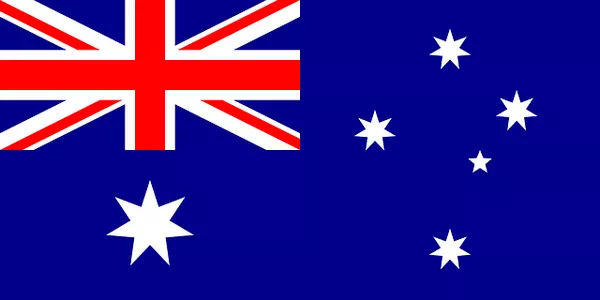
Australia Day is one of the most significant national holidays in Australia, marking a day of celebration, reflection, and community. Every year on January 26th, Australians come together to honor their country’s history, culture, and achievements. However, the day is also a time for acknowledging the complex and often painful history of Australia’s First Nations peoples. As Australia Day 2026 approaches, many events, activities, and discussions are planned across the country, offering a range of experiences for all Australians.
The History and Significance of Australia Day
Origins of Australia Day
Australia Day commemorates the arrival of the First Fleet at Port Jackson, New South Wales, in 1788. On January 26th of that year, Captain Arthur Phillip raised the British flag at Sydney Cove, marking the beginning of British colonization in Australia. This date has since become a national day of celebration, but it is also a day of mourning for many Aboriginal and Torres Strait Islander peoples, who view it as the start of a period of dispossession, cultural disruption, and loss.
The observance of Australia Day has evolved over time. It wasn’t until 1935 that all Australian states and territories adopted the name “Australia Day,” and it became a public holiday nationwide in 1994. The day is now characterized by a mix of official ceremonies, community events, cultural performances, and debates about national identity and the meaning of the day itself.
Australia Day Today
In contemporary Australia, Australia Day is a day of both celebration and reflection. It is a time to celebrate the country’s diverse society, rich culture, and achievements. However, it is also an opportunity to acknowledge and reflect on the impact of colonization on Aboriginal and Torres Strait Islander peoples and to engage in discussions about reconciliation and the ongoing journey towards a more inclusive national identity.
Australia Day is marked by a wide range of events and activities across the country. These include citizenship ceremonies, the Australian of the Year Awards, community festivals, parades, concerts, and fireworks displays. At the same time, it is also a day for protests and calls for change, with many advocating for the date to be changed or for greater recognition of the history and rights of First Nations peoples.
What’s Happening on Australia Day 2026?
Official Events and Ceremonies
Australia Day 2026 will feature a variety of official events and ceremonies across the country, reflecting the day’s significance and providing opportunities for Australians to come together in celebration and reflection.
Citizenship Ceremonies: One of the most significant aspects of Australia Day is the citizenship ceremonies held in cities and towns across the country. These ceremonies are an important tradition, where thousands of new citizens take the pledge of commitment to Australia and its values. In 2026, these ceremonies will continue to symbolize the diversity and multiculturalism central to the Australian identity.
Australian of the Year Awards: The Australian of the Year Awards recognize and celebrate the achievements of individuals who have made significant contributions to Australian society in various fields, including community service, science, sports, and the arts. The winners for 2026 will participate in public events on Australia Day, showcasing their accomplishments.
Flag-Raising and Wreath-Laying Ceremonies: In many cities, including the capital Canberra, official flag-raising and wreath-laying ceremonies will honor Australia’s history, its people, and those who have served the nation. These solemn ceremonies remain a core part of Australia Day 2026 observances.
Community Festivals and Celebrations
Across Australia, community festivals and celebrations will be a major part of Australia Day 2026. These events offer a chance for Australians to come together, enjoy cultural performances, participate in activities, and celebrate the diversity of the nation.
Sydney Harbour Celebrations: Sydney is renowned for its Australia Day celebrations, particularly around Sydney Harbour. The day will begin with the annual Ferrython, a race of ferries across the harbour, which is a beloved tradition. Throughout the day, there will be various events, including the Australia Day Harbour Parade, with boats and ships decorated with flags and banners, and the Tall Ships Race. The day will culminate in a spectacular fireworks display over the harbour.
Melbourne’s Australia Day Festival: In Melbourne, the Australia Day Festival at Kings Domain Gardens is a highlight of the day. The festival will feature live music, cultural performances, food stalls, and activities for families. Melbourne’s multicultural communities will be well represented, showcasing the city’s diversity through food, dance, and art.
Brisbane’s South Bank Celebrations: Brisbane’s South Bank Parklands will host a day-long celebration with live entertainment, food markets, and family-friendly activities. The celebrations will include performances from local artists, showcasing Queensland’s vibrant music scene. The day will end with a fireworks display over the Brisbane River.
Perth’s Skyworks: Perth’s Australia Day Skyworks is the largest annual event in Western Australia. The event will feature a day of entertainment, including a concert at Langley Park, food stalls, and activities for children. The highlight of the day will be the Skyworks fireworks display, which attracts thousands of spectators every year.
Adelaide’s Australia Day in the City: Adelaide will host its Australia Day in the City event, featuring a parade, concert, and fireworks. The parade will include community groups, cultural organizations, and marching bands, celebrating Adelaide’s diverse community. The evening concert will showcase local and national talent, followed by a fireworks display.
Reflective Events and Acknowledging the Past
Australia Day is also a time for reflection and acknowledging the history and experiences of Aboriginal and Torres Strait Islander peoples. In recent years, there has been a growing recognition of the need to include Indigenous perspectives in Australia Day events.
Invasion Day Protests: For many Aboriginal and Torres Strait Islander peoples, January 26th is marked as Invasion Day. In 2026, protests and marches will continue in major cities, advocating for historical recognition and change.
Smoking Ceremonies and Welcome to Country: Many events will begin with a Welcome to Country or Acknowledgment of Country. Smoking ceremonies led by Elders will continue as a traditional practice in 2026.
Reflective Events and Yarning Circles: Communities will host yarning circles and discussions about Australia’s history and reconciliation, offering spaces for dialogue and reflection in 2026.
Cultural Performances and Art Exhibitions
Australia Day 2026 will also feature a wide array of cultural performances and art exhibitions celebrating Indigenous and non-Indigenous Australian culture.
Indigenous Art Exhibitions: Galleries and institutions will showcase Indigenous art and culture, highlighting artists’ resilience and connection to land and traditions in 2026.
Music and Dance Performances: Indigenous musicians and dancers will perform across major events and smaller gatherings.
Theatre and Storytelling: Cities will host performances exploring Australia’s history, identity, and diverse narratives, continuing the tradition in 2026.
The Ongoing Debate: To Celebrate or Reflect?
The Call to Change the Date
Debates over Australia Day’s date remain active. In 2026, discussions continue about whether January 26th is appropriate, with Indigenous perspectives at the forefront.
Arguments for Changing the Date: Advocates suggest a new date free from the historical connotations of colonization, allowing inclusive celebrations.
Arguments Against Changing the Date: Opponents emphasize national unity and long-standing tradition.
Dual Observance: Some propose marking January 26th as a day of reflection while choosing another day for national celebrations.
Reconciliation and Moving Forward
Australia Day 2026 will be a day of both celebration and reflection, offering opportunities to acknowledge history, promote reconciliation, and engage in dialogue toward a more inclusive nation.
See also: What Is Australia Day in Australia?
Conclusion
Australia Day 2026 will feature official ceremonies, community festivals, reflective events, and cultural performances. The day balances celebration and reflection, highlighting both achievements and the complex history of Indigenous Australians. As we approach 2026, Australians are encouraged to engage with the day thoughtfully, recognizing its different meanings and working towards an inclusive national identity.