
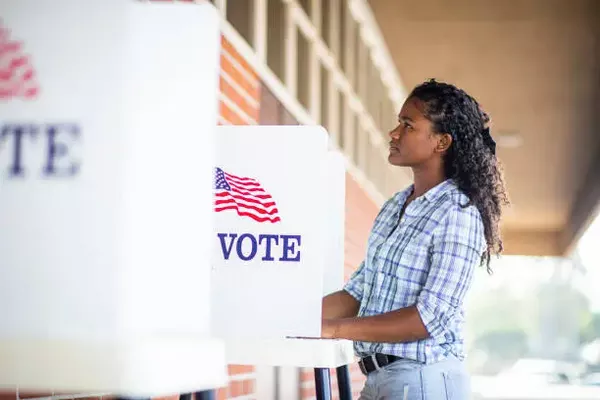
Election Day 2026 stands as a critical juncture in the American political landscape. Set for November 3, 2026, this day marks the culmination of a fiercely contested campaign season, with voters across the United States heading to the polls to determine the direction of the nation for the next four years. From the presidency to local government races, Election Day provides citizens the opportunity to have their voices heard, ensuring the continuation of the democratic process.
This article explores the significance of Election Day 2026, highlighting its importance in the context of American holiday culture, the historical backdrop of voting rights, and the broader implications for the nation’s future. Additionally, we will examine key election issues, voter turnout, and how Election Day fits within the framework of American traditions, creating a deeper understanding of why this day is so crucial in shaping the country’s political and social fabric.
The History of Election Day in America
Election Day in the United States, a federal holiday held on the first Tuesday of November, has a long and rich history that traces back to the country’s founding. The day was established in 1845 by Congress, and its timing was chosen for practical reasons. At that time, much of the population lived in rural areas, and farmers were the backbone of the American economy. November was seen as an ideal month for elections because it occurred after the harvest and before the winter season, ensuring that farmers could travel to polling places.
In the early years of the republic, voting was not universally accessible. Initially, voting rights were largely restricted to white male property owners. However, over time, the nation witnessed significant strides toward inclusivity. The passage of key amendments, such as the 15th (granting voting rights regardless of race, color, or previous condition of servitude) and the 19th (granting voting rights to women), were monumental in expanding the electorate. The Voting Rights Act of 1965 further dismantled barriers for minority voters, ensuring that the principle of “one person, one vote” became a reality.
Election Day 2026 arrives as a testament to the enduring strength of the American democratic experiment. While challenges persist, such as voter suppression and gerrymandering, the nation has come a long way from its founding days when voting was a privilege for only a select few.
The Political Landscape of Election Day 2026
The 2026 election cycle has been marked by intense partisan division, with polarized political parties vying for control of the White House, the U.S. Senate, and the House of Representatives. The stakes are high, as these elections will shape not only the immediate future of the country but also its long-term trajectory in terms of policy, social issues, and international relations.
The Presidential Election
At the heart of Election Day 2026 is the race for the presidency. The incumbent president is seeking re-election, focusing on key issues such as healthcare, climate change, economic stability, and foreign policy. Opposition candidates are campaigning on platforms addressing economic growth, national security, and social values. Third-party candidates are also expected to play a role, highlighting the diversity of American political thought.
Congressional Elections
Alongside the presidential race, all 435 seats in the U.S. House of Representatives and 34 Senate seats are up for election. The balance of power in Congress is crucial, as it determines how legislation will be crafted and which issues will take center stage in the coming years. Several key races are expected to be highly competitive, with battleground states playing a crucial role in determining the outcome.
Key Issues Shaping Election Day 2026
As Election Day 2026 approaches, a number of key issues are dominating the political discourse. These issues reflect the concerns of the electorate and highlight ideological divides.
The Economy: Inflation, unemployment, wages, and economic growth continue to be top priorities for voters.
Healthcare: The future of healthcare policy and access remains central, including debates over public and private healthcare solutions.
Climate Change and Environmental Policy: Extreme weather events have intensified focus on environmental action and clean energy initiatives.
Voting Rights and Electoral Integrity: Voter access, suppression, and election fairness remain pressing issues, shaping public trust in the electoral system.
Voter Participation and Turnout
Voter participation remains critical. Social media, grassroots organizations, and advocacy groups are mobilizing citizens, particularly young voters and historically marginalized communities. Voter suppression, however, continues to be a concern, highlighting the need for reforms to ensure equitable access to the ballot.
The Role of Technology
Technology plays a central role in modern elections, from online registration to digital campaigning. Concerns about misinformation, cybersecurity, and foreign influence remain, with ongoing efforts to ensure voters receive accurate and reliable information.
Election Day as a National Event
Election Day is more than a political exercise; it is a cultural event that reflects American values of democracy and civic engagement. Communities nationwide come together to participate, celebrate, and exercise their voting rights, reinforcing the democratic process.
Conclusion
Election Day 2026 is a pivotal moment for the United States. Voters’ choices will shape the country’s direction on critical issues, from the economy and healthcare to climate policy and voting rights. Beyond politics, the day serves as a reminder of the power and responsibility of civic participation in sustaining democracy.
This Election Day, like all others, is an opportunity for citizens to collectively shape the nation’s future, honoring the principles of freedom, equality, and democracy.
Related topics:
Which Countries Celebrate Veterans Day and How It’s Observed