
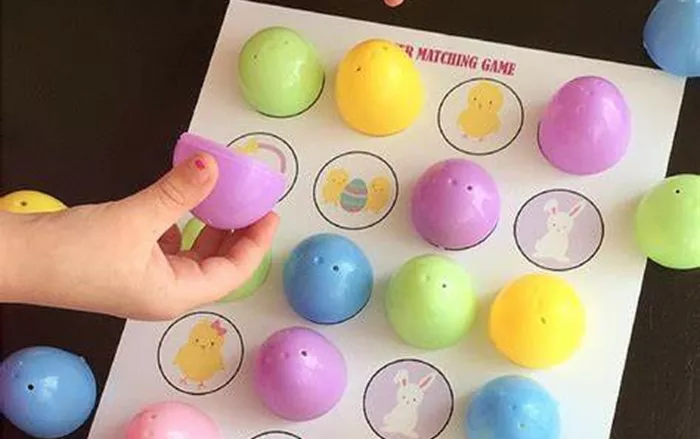
Easter is more than just a religious celebration. It is a time of joy, renewal, and community. For many, Easter marks the beginning of spring. The air feels fresh, flowers bloom, and families gather to celebrate life, hope, and new beginnings.
In homes and churches across the world, Easter is filled with color, laughter, and meaningful tradition. Beyond its spiritual significance, Easter has also become a festival rich with activities—especially for children. One of the most joyful and anticipated parts of the season is playing Easter games.
Easter games are not just for entertainment. They serve a deeper purpose. They bring people together. They help pass down customs from one generation to the next. And most importantly, they allow people—young and old—to participate in something playful and meaningful.
In this article, we will explore the world of Easter games. We’ll look at their origins, meanings, and how you can play them today. Whether you’re planning a church picnic, a family gathering, or a school celebration, you’ll find ideas here that go beyond the surface and connect with the heart of the Easter season.
The Roots of Easter Play
To understand Easter games, we must look back in time. In ancient cultures, spring was often a time of festivals and feasts. People celebrated the return of life after the long winter. Eggs, rabbits, and new shoots of green were all symbols of fertility and rebirth.
As Christianity spread across Europe, the older spring rituals were merged with the religious observance of Easter. Over time, the Christian message of resurrection blended with folk customs. That is why today, we see both sacred church services and colorful egg hunts happening on the same day.
Easter games evolved out of this mix. They were a way to express joy, especially for children. Games were also used to teach lessons, share blessings, and create memories. While some Easter games are centuries old, others have developed in modern times—but all of them carry the spirit of celebration.
Easter Egg Hunts: A Modern Tradition with Ancient Roots
Perhaps the most popular Easter game in the world is the Easter egg hunt. Children search for hidden eggs, often filled with candy or small toys. The eggs might be plastic, chocolate, or real ones that have been dyed in bright colors.
The symbolism of the egg is ancient. It represents new life, making it a perfect fit for Easter. In medieval Europe, eggs were forbidden during Lent. So on Easter Sunday, people would enjoy them with joy. Eventually, decorating and hiding eggs became a playful part of the holiday.
In modern egg hunts, adults hide eggs in yards, parks, or inside homes. Children are given baskets and sent to find them. Some hunts are competitive. Others are relaxed and open to all. Communities often organize public hunts, complete with music, food, and prizes.
But beyond the fun, the Easter egg hunt teaches children important lessons. It shows the joy of discovery, the reward of effort, and the delight of surprise. And for families, it creates lasting memories.
Egg Rolling: A Gentle Contest of Skill and Spirit
Egg rolling is another beloved Easter activity. The most famous version takes place on the White House lawn in the United States. But the game is played in many cultures, each with its own twist.
In its simplest form, egg rolling involves rolling hard-boiled eggs down a hill or a flat surface. The goal might be to see whose egg rolls the farthest or whose egg stays unbroken the longest.
The game is often symbolic. For some Christians, it represents the stone being rolled away from Christ’s tomb. For others, it simply reflects the joy of spring. The act of rolling something round and fragile captures a sense of wonder and care.
Children love egg rolling for its mix of excitement and laughter. It requires just enough skill to be fun but not so much that it becomes stressful. It also encourages gentle competition and social interaction.
Egg Tapping: A Game of Strategy and Surprise
Also known as egg jarping or egg knocking, this game is common in parts of Eastern Europe and the Southern United States. Two players each hold a hard-boiled egg. One taps their egg against the other’s. The player whose egg remains uncracked wins the round.
Egg tapping is simple but addictive. Families often play it at the breakfast table on Easter morning. Some even have family champions who win year after year.
There’s something magical about seeing which egg survives. Children enjoy guessing which one will win. Some even believe certain colors or eggs from certain chickens are luckier.
Though it is a short game, egg tapping often sparks laughter, playful teasing, and a sense of tradition. It connects people through shared experience, and it costs nothing to play.
Bunny Hop Relay: A Modern Classic
While traditional games involve eggs, newer games bring in another Easter icon—the bunny. The Easter Bunny has become a beloved figure in Western celebrations. Children imagine the bunny delivering eggs, much like Santa delivers presents at Christmas.
The Bunny Hop Relay is a game where children (or even adults) race while hopping like bunnies. It can be played in teams or individually. Some versions involve wearing bunny ears or holding an egg on a spoon while hopping.
This game is ideal for outdoor gatherings and school celebrations. It encourages movement and laughter. It also promotes balance and coordination. Most importantly, it invites everyone to be a little silly, which is part of the joy of Easter.
Egg and Spoon Race: A Balancing Act
The egg and spoon race is a familiar sight at spring fairs and school events. Each participant holds a spoon with an egg balanced on it. The goal is to reach the finish line without dropping the egg.
The game requires concentration and steady hands. It can be played in a straight race or as part of an obstacle course. For younger children, plastic eggs are often used to avoid mess. Older kids or adults might use raw or hard-boiled eggs for added challenge.
The egg and spoon race is more than just a race. It’s about patience, coordination, and focus. It’s also a wonderful way to include children of all abilities, as the rules can be adjusted to suit everyone.
Pin the Tail on the Bunny: A Twist on a Party Favorite
Inspired by the classic “Pin the Tail on the Donkey,” this game swaps the animal for an Easter bunny. A large bunny image is placed on a wall. Children are blindfolded, spun around, and asked to pin a paper tail as close as possible to the correct spot.
This game works well indoors and needs little preparation. It encourages fun and laughter while helping children with spatial awareness.
It’s also an inclusive game. Even very young children can participate. And it adds a festive, decorative touch to any Easter party.
Easter Scavenger Hunts: Clues, Challenges, and Surprises
A more advanced version of the egg hunt is the Easter scavenger hunt. Instead of simply finding eggs, children (or even adults) follow a trail of clues. Each clue leads to the next location, often with small rewards along the way.
This game adds storytelling and problem-solving to the Easter fun. Clues can be written in rhyme or prose. They can include riddles, puzzles, or challenges. Some scavenger hunts have themes—like following the Easter Bunny’s trail or searching for hidden treasure.
Scavenger hunts are flexible. They can be played in small homes or large gardens. They can be simple or complex. And they are ideal for older children who enjoy mystery and adventure.
Easter Bingo and Board Games: Quiet Fun for All Ages
Not all Easter games need to be physical. Some can be quiet and calm. Easter-themed bingo, for example, is great for classrooms or elderly groups. The cards feature pictures of eggs, lambs, flowers, and bunnies. Players mark off what they see or hear until someone gets a full row.
Easter board games can also be homemade. Families can create games using dice, drawing cards, and Easter-themed paths or characters. These games offer a peaceful way to enjoy the holiday and are perfect for rainy days.
Craft-and-Play Activities: Where Art Meets Game
Sometimes, games are born from the things we make. Craft-and-play games combine creativity with action. For example, children might make bunny masks and then play a role-playing game. Or they could design their own eggs and vote on the funniest, prettiest, or most creative design.
Other ideas include decorating cookies and having a taste test. Or building an Easter basket and seeing who can carry the most eggs without spilling.
These games blur the line between art and play. They are perfect for family bonding and allow children to express themselves while having fun.
Faith-Based Easter Games: Learning Through Play
For Christian families and churches, Easter games can also have a spiritual purpose. Bible-themed scavenger hunts might include verses or stories. Some games challenge children to put events from Holy Week in the correct order.
Others involve storytelling or acting. Children might reenact the Easter story or play a quiz game about resurrection symbols.
These faith-based games help children connect with the deeper meaning of Easter. They turn lessons into living experiences. They also build community within church groups and Sunday schools.
Inclusivity and Adaptability in Easter Games
One of the best things about Easter games is that they can be adapted for all ages and abilities. Whether a child has special needs, or an elderly grandparent wants to join, most games can be modified.
Using lightweight eggs, wide spoons, or playing on a table rather than the ground can make games more accessible. Team play allows everyone to feel included. And simply changing the pace or rules can ensure that no one is left out.
This adaptability reflects the heart of Easter—a celebration that embraces life, diversity, and unity.
Conclusion: Easter Games as a Celebration of Life
Easter games are more than playful pastimes. They are moments of connection. They reflect the season’s message of hope, joy, and renewal. From egg hunts to scavenger trails, bunny races to bingo cards, each game carries a spark of meaning.
In a world that often feels rushed and fragmented, Easter games invite us to slow down, to gather, to laugh, and to celebrate the simple beauty of life. Whether you’re organizing a church event, a classroom party, or a family picnic, remember: it’s not just about the game. It’s about the joy you share and the memories you make.
So this Easter, grab some eggs, call your friends and family, and let the games begin.
Related topics: