
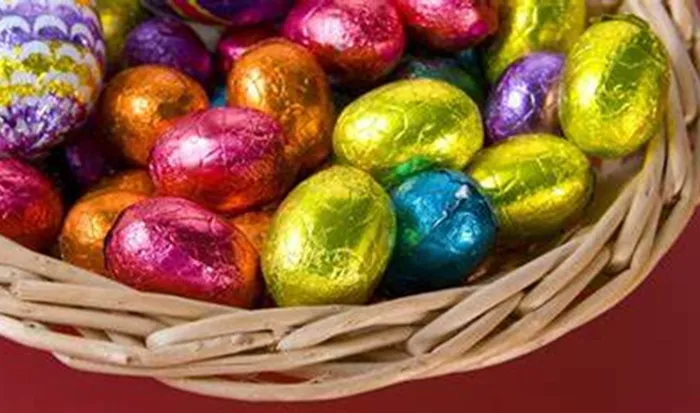
Easter, one of the most widely celebrated holidays across the world, carries with it a rich tapestry of traditions. One of the most well-known practices associated with Easter is the consumption of Easter eggs. From children eagerly hunting for colorful eggs to families gathering around tables adorned with chocolate treats, the presence of eggs at Easter is undeniable. But why do we eat Easter eggs in the first place? This article aims to explore the history, symbolism, and various cultural interpretations surrounding the practice of eating Easter eggs.
The Origin of Easter Eggs: A Historical Perspective
Easter eggs have been part of the Easter celebration for centuries. The earliest historical accounts of eggs being associated with Easter trace back to the Middle Ages. However, eggs have been symbols of rebirth and fertility long before their association with this Christian holiday. Ancient cultures, including the Egyptians, Persians, and Greeks, revered eggs as symbols of new life.
In the context of Easter, eggs are believed to represent the resurrection of Jesus Christ, a core tenet of the Christian faith. Just as a chick hatches from an egg, Easter eggs symbolize the resurrection and the promise of new life that comes with the season. This symbolic connection has made the egg a prominent fixture in Easter traditions across the world.
The Egg as a Symbol of Life and Fertility
Before delving into the religious connections of Easter eggs, it is important to understand the symbolic significance of eggs in various cultures. The egg has long been seen as a symbol of life, fertility, and renewal.
In many ancient cultures, eggs were used in rituals and ceremonies to promote fertility and ensure good harvests. For example, the Persians are believed to have colored eggs to celebrate the spring equinox, symbolizing the renewal of nature after the long winter months. The egg, in this sense, represented the earth’s cycle of death and rebirth, a theme that aligns perfectly with the idea of resurrection found in Christianity.
This belief in the egg as a life-giving symbol is deeply rooted in human consciousness. As early as the 3rd century, eggs were offered as part of springtime celebrations, predating the Easter tradition itself. Over time, the Christian church would adopt and adapt these ancient practices, infusing them with Christian meaning.
The Role of Eggs During Lent and Easter
Another key reason for the popularity of eggs during Easter is linked to the Christian tradition of Lent, the period of fasting that leads up to Easter Sunday. Traditionally, Christians would give up certain foods during Lent, including eggs. Eggs were considered a luxury, and with hens still laying eggs throughout the fasting period, there was a surplus of eggs by the time Easter arrived.
To prevent waste, people began to boil or preserve these eggs so they would last through the fasting period. Once Easter Sunday arrived, the boiled eggs were eaten to celebrate the end of the Lenten fast. The practice of eating eggs as a way to break the fast is still observed in many cultures today.
Decorating Easter Eggs: A Tradition of Art and Expression
The tradition of decorating Easter eggs is as old as the practice of eating them. The act of coloring and decorating eggs symbolizes more than just a playful activity for children; it is a form of artistic expression with deep cultural significance.
In Eastern Europe, particularly in countries like Ukraine, Poland, and Russia, decorating Easter eggs is a highly skilled art form. Known as “pysanky” in Ukraine, the art of decorating eggs involves intricate designs and symbolism. Each pattern on the eggs tells a story, and the eggs themselves are seen as works of art that carry blessings and good wishes for the coming year.
In Western cultures, the tradition of decorating eggs often involves children painting or dyeing eggs in bright colors. While this activity is more recreational in nature, it still maintains the underlying theme of renewal and creativity that is central to Easter.
The Modern Easter Egg: Chocolate and Commercialization
As time has passed, the tradition of Easter eggs has evolved, particularly in the modern, commercialized world. While eggs were once strictly symbolic and often made from real, hard-boiled eggs, today, chocolate Easter eggs have become the most popular form of Easter egg consumed.
The rise of chocolate Easter eggs can be traced back to the 19th century in Europe, with the first solid chocolate eggs being produced in France and Germany. These early chocolate eggs were handcrafted and decorated by artisans, and their popularity quickly spread across Europe.
By the 20th century, the mass production of chocolate Easter eggs became a major commercial venture. Companies like Cadbury, Lindt, and others started producing chocolate eggs on a massive scale, often filled with smaller candies or toys. This commercialization of Easter eggs has helped to ensure their continued prominence in the holiday celebration, though it has somewhat overshadowed the original symbolic meaning of the egg.
Easter Eggs in Different Cultures and Traditions
Although Easter eggs are a universal part of the holiday, their symbolism and the way they are celebrated varies greatly across different cultures. Each culture has its own unique interpretation of Easter eggs, which reflects the diverse ways in which people celebrate this time of year.
In Greece, for example, Easter eggs are often dyed red to symbolize the blood of Christ. On Easter Sunday, these red eggs are used in a game called “tsougrisma,” where participants try to crack each other’s eggs. The last person with an uncracked egg is considered to be the winner and is believed to have good luck in the coming year.
In Sweden, children dress up as “Easter witches” and go door-to-door, exchanging drawings and greeting cards for candy. This practice is similar to Halloween in some countries. Part of this tradition involves giving out chocolate eggs as a sweet treat to children.
In the United Kingdom, the Easter Egg Roll is a popular event, especially for children. In this game, eggs are rolled down a hill, and the goal is to have the egg that rolls the farthest without breaking. This tradition is often associated with Easter Sunday and is seen as a fun and festive way to celebrate the holiday.
Easter Eggs in Religion: A Symbol of Resurrection
For Christians, the Easter egg has a deeply religious significance. The egg represents the tomb of Jesus Christ, which was sealed after His crucifixion. The cracking of the egg symbolizes the resurrection of Jesus, breaking open the tomb and emerging into new life. This connection to the resurrection is one of the central themes of Easter, making the egg a powerful symbol of hope, renewal, and eternal life.
Some Christian denominations also see the practice of eating Easter eggs as a way of celebrating the triumph of life over death. Just as the egg symbolizes new life, it also represents the victory of Jesus over death, sin, and the grave. By eating Easter eggs, Christians partake in this celebration of eternal life and redemption.
The Global Significance of Easter Eggs
Easter eggs transcend cultural and religious boundaries, making them a symbol of universal joy and celebration. In some parts of the world, the egg is seen as a symbol of springtime and the renewal of nature, while in others, it is directly linked to the resurrection of Jesus Christ. Regardless of the cultural context, Easter eggs remain an integral part of the Easter celebration.
The exchange and consumption of Easter eggs bring families together and create memories that last a lifetime. Whether they are boiled, chocolate, or decorated, Easter eggs continue to hold a special place in the hearts of millions of people around the world.
Conclusion
The tradition of eating Easter eggs is a fascinating practice that has evolved over centuries. From ancient symbols of fertility and life to religious representations of resurrection, Easter eggs carry with them a wealth of historical and cultural significance. Whether you are celebrating with boiled eggs or indulging in chocolate treats, the act of eating Easter eggs continues to be a joyful and meaningful part of the Easter celebration. As we continue to honor this tradition, we not only embrace the fun and festivity of the holiday but also reflect on the deeper symbolism of life, renewal, and resurrection.
Related topics: