
Easter is one of the most significant holidays in the Christian calendar, celebrated worldwide to honor the resurrection of Jesus Christ. It is a time of joy, renewal, and community, and for many, it is also a time of delicious food. While Easter meals vary widely across cultures and regions, the common thread is that food plays a central role in the celebration. From rich, savory dishes to sweet treats, Easter meals bring families together to share in the spirit of the holiday.
In this article, we’ll explore the traditional Easter foods enjoyed around the world, focusing on how different countries and cultures celebrate with their culinary customs. Whether it’s the lamb feasts of Greece or the hot cross buns of the United Kingdom, each Easter meal is a reflection of local traditions, religious customs, and seasonal availability.
Easter Meals Around the World: A Culinary Journey
Easter foods are often linked to symbolism, such as the use of eggs, lamb, and bread. These foods carry deeper meanings, reflecting themes of rebirth, sacrifice, and spiritual significance. Let’s take a look at how different countries incorporate these symbols into their holiday meals.
Lamb: A Symbol of Sacrifice and Renewal
One of the most iconic Easter dishes is lamb. The lamb represents the sacrifice of Jesus Christ, who is often referred to as the “Lamb of God” in Christian tradition. As a result, lamb dishes are especially popular in many parts of the world.
In Greece, Easter is marked by a feast featuring roast lamb or lamb on the spit. This dish is often served alongside rich sides such as Greek salad, tzatziki (yogurt and cucumber dip), and spanakopita (spinach pie). Lamb is also a centerpiece in Italy, where abbinato al forno (roast lamb) is served with rosemary potatoes and vegetables, making for a hearty, flavorful meal.
In the United States, particularly among families with Italian and Greek roots, Easter lamb is also a popular choice, often seasoned with garlic, rosemary, and olive oil before roasting to perfection. The lamb is often paired with a variety of sides, such as green beans, roast carrots, and scalloped potatoes, creating a delicious and memorable meal.
Eggs: The Universal Symbol of Rebirth
Eggs are perhaps the most universally recognized symbol of Easter. They represent new life, rebirth, and the resurrection. Many cultures incorporate eggs into their Easter meals in various forms.
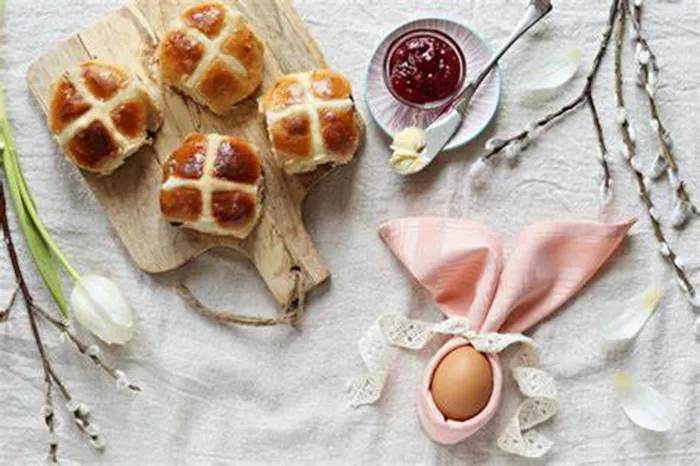
In the United Kingdom, hot cross buns—sweet, spiced buns marked with a cross on top—are traditionally enjoyed on Good Friday, but many families serve them during Easter as well. These buns are sometimes filled with raisins or currants and are perfect for breakfast or dessert.
Eggs themselves are often hard-boiled and decorated, a tradition in many countries. In Eastern Europe, for example, Ukrainian pysanky—beautifully decorated eggs—are often displayed as part of the Easter celebration. The eggs are sometimes used in games or given as gifts, symbolizing fertility and the new life that Easter brings.
In Poland, a dish called Żurek (sour rye soup) is served, often garnished with boiled eggs. This hearty soup is made with fermented rye flour, sausage, and vegetables, offering a savory and comforting option for Easter meals.
Bread: A Symbol of Sustenance and Spiritual Nourishment
Bread is another staple of Easter meals, representing the body of Christ in Christian symbolism. Many cultures bake special Easter breads, often enriched with eggs, sugar, and butter, to celebrate the holiday.
In Italy, colomba di Pasqua (Easter dove bread) is a traditional sweet bread shaped like a dove, symbolizing peace and the Holy Spirit. This cake is often topped with a sugary glaze and almonds, creating a crunchy, sweet crust that contrasts with its soft interior.
In the United States, Easter bread may be a variation of the sweet, braided breads enjoyed during the Jewish holiday of Passover, such as challah. This soft, braided bread is sometimes topped with colorful sprinkles, adding a festive touch to the meal.
In France, pain de Pâques (Easter bread) is a popular dish, often flavored with orange blossom and dotted with candied fruits. It is typically served for breakfast or as a sweet accompaniment to a meal.
Sweet Treats: Indulging in Festive Desserts
Easter is not just about savory dishes; it’s also a time to indulge in sweet treats. From chocolate eggs to intricate pastries, the desserts vary by region but are always a source of enjoyment.
One of the most iconic Easter treats is the chocolate egg. In many countries, including the United States, United Kingdom, and parts of Europe, chocolate Easter eggs are a beloved tradition. These eggs come in a variety of shapes and sizes and are often filled with candy or small toys.
In the United Kingdom and Ireland, simnel cake is a traditional Easter dessert. This fruit cake is topped with a layer of marzipan and decorated with 11 marzipan balls to represent the apostles (excluding Judas). The cake is a rich, spiced treat, perfect for sharing with loved ones during the holiday.
In Germany, Osterbrot (Easter bread) is a sweet, yeast-based bread made with raisins, almonds, and orange zest. This bread is often served for breakfast on Easter Sunday, along with other traditional pastries.
Traditional Easter Meals in North America
In the United States and Canada, Easter meals tend to be more diverse, reflecting the melting pot of cultures in these countries. However, several dishes are widely enjoyed by many families.
One of the most common Easter meals in North America includes ham as the centerpiece. Ham, often glazed with brown sugar, honey, or mustard, is served alongside a variety of side dishes. Scalloped potatoes, green beans almondine, and deviled eggs are popular choices that complete the meal. For dessert, carrot cake—a moist cake topped with cream cheese frosting—is a classic treat.
In the Southern United States, traditional Easter meals often include fried chicken, biscuits, and collard greens, served alongside macaroni and cheese and sweet potato casserole. These dishes reflect the rich culinary heritage of the region and are a beloved part of the holiday.
Easter Foods in Latin America
In Latin American countries, Easter is celebrated with an array of delicious dishes that vary by country but often include ingredients such as fish, tamales, and pastries.
In Mexico, capirotada (Mexican bread pudding) is a popular Easter dessert made with bread, raisins, nuts, and a sweet syrup made from cinnamon and cloves. It’s often served during Holy Week as a symbolic dish representing the passion of Christ.
In Argentina and Chile, empanadas are a staple at Easter meals. These savory pastries, filled with meats, vegetables, and cheese, are often prepared for family gatherings during the holiday. In these countries, asado (barbecue) is also a common meal for Easter Sunday, featuring grilled meats and sausages.
Easter Foods in the Middle East
In the Middle East, Easter meals are often marked by dishes that incorporate seasonal ingredients such as lamb, yogurt, and fresh herbs.
In Lebanon, kibbeh (a dish made from bulgur, minced meat, and spices) is often served during Easter feasts, alongside tabbouleh (a fresh parsley and bulgur salad). Makdous (pickled eggplants stuffed with walnuts and garlic) are also a popular appetizer.
In Egypt, fatta is a traditional dish served during Easter. This meal consists of rice, bread, and lamb, with a rich garlic and vinegar sauce poured over the top. Kahk (Egyptian cookies filled with dates or nuts) is a popular Easter dessert enjoyed with tea or coffee.
Conclusion:
Easter meals are much more than just food; they are a way to celebrate faith, family, and tradition. Whether it’s the lamb roast of Greece, the chocolate eggs of the UK, or the empanadas of Latin America, the dishes people eat on Easter reflect the diverse cultures and customs that have shaped the holiday over centuries.
Through these meals, people come together to share in the joy of the resurrection and the renewal of life. From savory dishes to sweet treats, the Easter feast is a time for indulgence, gratitude, and celebration of the season’s abundance. No matter where in the world you are, food will always be at the heart of the Easter celebration.
Related topics: