
Easter is one of the most significant holidays in the Christian faith, celebrating the resurrection of Jesus Christ. But Easter is also rich in symbols that go beyond its religious meaning. These symbols have evolved over centuries, often blending Christian traditions with older, pagan customs that celebrate themes of rebirth and renewal. In this article, we will explore the various symbols of Easter, their origins, and what they represent in the context of the holiday.
Introduction: Understanding the Importance of Symbols in Easter
Symbols play a powerful role in many religious and cultural celebrations, and Easter is no exception. They serve as visual representations of deeper meanings, helping people to connect with the spiritual and cultural significance of the holiday. For Easter, these symbols often represent themes such as resurrection, new life, purity, and hope. They remind people of the deeper truths of the season, offering a sense of continuity and a connection to both past and present traditions.
While the religious aspects of Easter are deeply rooted in Christian theology, the symbols of Easter are often universal, appealing to people of different backgrounds. The combination of Christian elements and pre-Christian traditions makes Easter a holiday with a rich and diverse set of symbols, all contributing to the celebration of life, renewal, and spiritual growth.
The Cross: The Central Symbol of Easter
The Cross and its Religious Significance
At the heart of Easter is the resurrection of Jesus Christ, and the cross stands as the most powerful symbol of this event. In Christian theology, the cross represents Christ’s sacrifice for humanity’s sins, and it is through his death and resurrection that Christians believe salvation is made possible. The cross symbolizes both suffering and triumph: the suffering of Jesus on Good Friday and the triumph over death on Easter Sunday.
Historical Origins of the Cross as a Symbol
The use of the cross as a symbol in Christianity dates back to the early Christian period. Initially, the cross was a symbol of death, but over time, it came to represent the hope and redemption brought about through the resurrection. It has become one of the most universally recognized Christian symbols, often displayed in churches, homes, and on jewelry to remind believers of the central event of the Christian faith.
The Easter Bunny: A Symbol of New Life and Fertility
The Origin of the Easter Bunny
One of the most popular secular symbols of Easter is the Easter Bunny, a cute, fluffy creature that brings Easter eggs to children during the holiday. While the Easter Bunny is widely associated with the holiday today, its origins are somewhat unclear. Many scholars believe that the Easter Bunny is rooted in pagan traditions, particularly those associated with fertility and renewal.
The Connection Between the Bunny and Pagan Symbols
In ancient times, the rabbit was considered a symbol of fertility, as rabbits reproduce quickly and in large numbers. This connection to fertility was later absorbed into Christian traditions, where the rabbit became a symbol of new life, an appropriate representation of the resurrection and the arrival of spring. Some historians also link the Easter Bunny to the goddess Eostre, the Anglo-Saxon goddess of spring, who was often depicted with a hare.
The Easter Bunny’s Role in Modern Celebrations
Today, the Easter Bunny is a beloved character in many countries, and children eagerly await the arrival of the bunny, who is said to deliver Easter eggs. The bunny is often depicted as a friendly, playful creature, bringing joy and excitement to the holiday.
Easter Eggs: A Symbol of Rebirth and Resurrection
The Origins of Easter Eggs
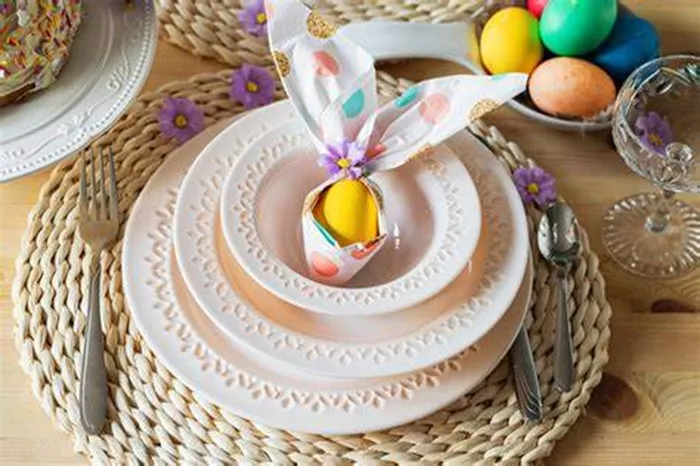
Easter eggs are perhaps the most universally recognized symbol of the holiday, with their origins tracing back to early Christian traditions. In medieval Europe, eggs were forbidden during Lent, the 40-day period leading up to Easter. As a result, many people would boil or decorate eggs to preserve them, then eat them as a special treat on Easter Sunday to celebrate the end of the fasting period.
The Symbolism of Eggs
The egg is a powerful symbol of new life and resurrection, making it a fitting representation of Easter. In many cultures, eggs have been associated with fertility and rebirth, and in Christian tradition, the egg represents the stone that was rolled away from Jesus’ tomb, symbolizing his resurrection. The act of cracking open an egg is often seen as a metaphor for the resurrection, with the egg “coming to life” when it is opened.
Decorating Easter Eggs
The tradition of decorating Easter eggs dates back to at least the 13th century. While the practice has evolved over time, with people using dye, paint, and various other materials, the symbolism of the decorated egg has remained unchanged. In many cultures, the eggs are colored red to symbolize the blood of Christ, while other colors represent various aspects of the resurrection.
The Lamb: A Symbol of Sacrifice and Purity
The Lamb as a Christian Symbol
The lamb has deep religious significance, particularly in Christianity. Jesus is often referred to as the “Lamb of God,” a title that highlights his role as the sacrificial offering for humanity’s sins. The image of the lamb symbolizes innocence, purity, and sacrifice, all of which are central themes in the Easter story.
The Role of the Lamb in Easter Celebrations
In many Christian traditions, lamb is traditionally eaten as part of the Easter feast. This tradition likely stems from the Jewish Passover meal, where a lamb was sacrificed and eaten as part of the ceremony. For Christians, the lamb represents Christ’s sacrificial death on the cross, and consuming lamb at Easter serves as a reminder of the ultimate sacrifice Jesus made.
The Easter Lily: A Symbol of Purity and Resurrection
The Symbolism of the Easter Lily
The Easter lily is a white flower with trumpet-shaped petals that blooms around the time of Easter. In Christian symbolism, the white lily represents purity, virtue, and the resurrection of Jesus Christ. The flower is often used to decorate churches and homes during the Easter season.
The Historical Significance of the Lily
The Easter lily has been a part of Easter celebrations for centuries. The flower is said to have originated in the Mediterranean region and was used in ancient Greece and Rome as a symbol of purity and renewal. In Christian tradition, the lily is associated with the Virgin Mary, symbolizing her purity and grace. The Easter lily’s association with the resurrection is tied to its pure, white petals, which evoke images of new life and divine beauty.
The Paschal Candle: A Symbol of Christ’s Light
What is the Paschal Candle?
The Paschal Candle is a large, white candle that is lit during the Easter Vigil on Holy Saturday night. It represents the light of Christ, symbolizing his resurrection and the triumph of light over darkness. The Paschal Candle is often placed near the altar in churches and is used during Easter Mass and other Easter-related services.
The Symbolism of the Paschal Candle
The Paschal Candle is a powerful symbol of Christ’s victory over death. As the candle is lit from the new fire, it serves as a reminder that Christ is the light of the world, bringing hope and salvation to all. The lighting of the Paschal Candle marks the beginning of the Easter season and signifies the triumph of life over death.
Conclusion
Easter is a holiday rich in symbols, each representing a different aspect of the celebration. From the cross that reminds Christians of Christ’s sacrifice to the Easter Bunny that represents new life and renewal, each symbol carries deep meaning. Whether you focus on the religious significance of Easter or enjoy the secular traditions that have become intertwined with the holiday, the symbols of Easter remind us of the power of life, hope, and resurrection.
These symbols have evolved over time, blending religious, cultural, and seasonal elements to create the Easter celebration we know today. Each symbol serves as a reminder of the themes of renewal, purity, and resurrection, which are central to the meaning of Easter. By understanding these symbols, we can deepen our connection to the holiday and appreciate the rich history and traditions that continue to shape how we celebrate Easter around the world.
Related topics: