
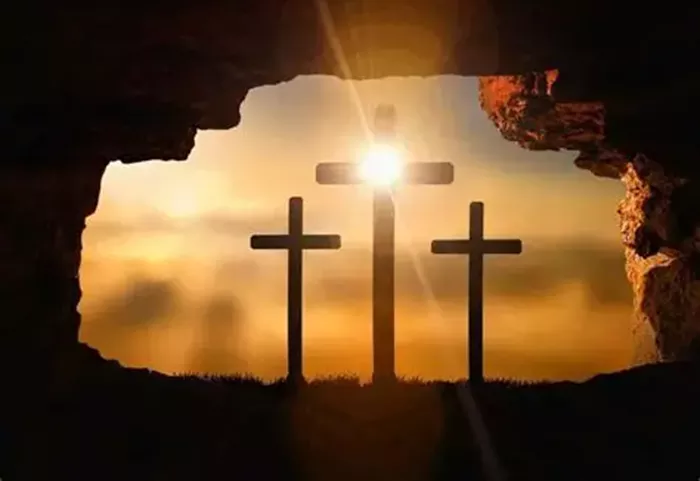
Good Friday and Easter Sunday are two of the most significant days in the Christian calendar. These days commemorate the pivotal events in the life of Jesus Christ—his crucifixion and resurrection. They are a time for reflection, reverence, and celebration for Christians all over the world. However, the meanings and customs associated with these days are often misunderstood or overlooked by those outside of the Christian faith. This article will explore what Good Friday and Easter Sunday are, their importance in Christianity, the historical and theological significance, and how they are celebrated globally.
What is Good Friday?
Good Friday is observed as the day of Jesus Christ’s crucifixion. It falls on the Friday before Easter Sunday and marks the culmination of the Passion of Christ. It is called “Good” because, despite the sorrow and suffering, Christians believe that Jesus’ death brought about the salvation of humanity. His sacrifice is viewed as an act of ultimate love, offering redemption for all sins.
The Crucifixion of Jesus
The story of Good Friday begins with the arrest of Jesus in the Garden of Gethsemane, where he was betrayed by one of his disciples, Judas Iscariot. He was taken to trial before Jewish and Roman authorities, who accused him of blasphemy and claiming to be the King of the Jews. Despite the lack of substantial evidence, Jesus was sentenced to death by crucifixion.
Crucifixion was a Roman method of execution that was both cruel and public. Jesus was forced to carry his cross to the place of execution, known as Golgotha. There, he was nailed to the cross, where he would hang in agony until his death. During his crucifixion, Jesus uttered several words, including “Father, forgive them, for they do not know what they are doing,” showing his compassion even in the face of great suffering.
The Significance of Good Friday
For Christians, Good Friday represents a pivotal moment in the narrative of salvation. According to Christian theology, Jesus’ death was necessary to atone for the sins of humanity. The concept of sacrifice plays a central role in Christian belief: just as ancient Jewish tradition involved animal sacrifices to atone for sins, Jesus’ death was the ultimate sacrifice, reconciling mankind with God.
Good Friday is a somber occasion, a day for Christians to reflect on the magnitude of Jesus’ sacrifice. Churches typically hold services that include the reading of the Passion narrative, hymns, prayers, and sometimes a procession, symbolizing Jesus’ final journey to the cross.
What is Easter Sunday?
Easter Sunday follows Good Friday and celebrates the resurrection of Jesus Christ from the dead. It is the most important day in the Christian faith, symbolizing the victory of life over death, and hope over despair. Without the resurrection, there would be no foundation for Christianity. Easter is a time of immense joy, marking the ultimate triumph of Jesus and the affirmation of eternal life.
The Resurrection of Jesus
The resurrection of Jesus is the central event in Christianity. According to the Gospels, after Jesus was crucified and buried, he rose from the dead on the third day. On the morning of Easter Sunday, a group of women went to Jesus’ tomb, only to find that the stone covering the entrance had been rolled away and the tomb was empty. An angel appeared to them, proclaiming, “He is not here; he has risen, just as he said.”
Over the next 40 days, Jesus appeared to his followers in various places, proving that he had indeed conquered death. These appearances provided comfort and affirmation to his disciples, who had witnessed his crucifixion and were initially filled with grief and confusion.
Theological Significance of Easter
Easter is not just a celebration of Jesus’ return to life, but also a confirmation of the Christian belief in the resurrection of the dead. Christians believe that, just as Jesus was resurrected, all believers will one day experience their own resurrection and eternal life with God. This hope is what provides strength and comfort to Christians, even in times of suffering and hardship.
The resurrection also affirms the divinity of Jesus. Christians believe that Jesus is the Son of God, and his resurrection is a divine act confirming his teachings and mission. Through his death and resurrection, Christians believe Jesus defeated the power of sin and death, offering a path to salvation for humanity.
Good Friday and Easter Sunday: A Journey from Suffering to Joy
The days of Good Friday and Easter Sunday represent a powerful narrative arc of suffering, death, and eventual triumph. Good Friday is a day of solemn reflection on the pain and sacrifice of Jesus’ death, while Easter Sunday is a day of celebration, joy, and hope in the resurrection.
This contrast mirrors the experiences of many Christians. Life often includes moments of suffering, despair, and hardship. However, Easter serves as a reminder that there is always hope, that joy comes after sorrow, and that there is new life after death. It is a time for Christians to remember that despite the challenges they face, God’s love and grace are always present, offering the possibility of redemption and transformation.
Global Celebrations of Good Friday and Easter Sunday
Around the world, Christians celebrate Good Friday and Easter Sunday in various ways, depending on cultural traditions and local customs. While the core message remains the same, the manner in which these events are commemorated can differ.
Good Friday Observances
On Good Friday, many Christian denominations hold solemn services, often including the veneration of the cross. In the Catholic tradition, this may involve a procession where the faithful carry a cross through the streets or participate in a reenactment of the Stations of the Cross, which depict key moments of Jesus’ final hours. In some Protestant traditions, Good Friday is observed with quiet reflection, prayer, and the reading of the Passion narrative.
In countries like Spain and Italy, Good Friday is marked by grand processions and re-enactments of Christ’s Passion. In the Philippines, some devout Christians even participate in physical acts of penance, such as crucifixion reenactments, to show their devotion.
Easter Sunday Celebrations
Easter Sunday is a much more celebratory day. Church services are filled with joyful hymns, prayers, and the lighting of the Paschal candle, which symbolizes the resurrection. Easter Vigils are held on Saturday night, a late-night service that stretches into Sunday morning, symbolizing the transition from death to life.
In many cultures, Easter is also a time for feasting and family gatherings. In the United States and other Western countries, Easter egg hunts, where children search for hidden eggs, often take place. These eggs symbolize new life and are a fun and exciting part of the holiday for children.
In Eastern Orthodox countries like Greece and Russia, Easter is marked by elaborate feasts, with lamb as a central dish. People also celebrate by exchanging Easter eggs, which are traditionally dyed red to symbolize the blood of Christ. In many Latin American countries, Easter is celebrated with processions, music, and festive meals.
Easter Traditions Around the World
One of the most enduring symbols of Easter is the Easter egg, which has a variety of meanings across different cultures. The egg represents new life, a theme central to the resurrection story. In many countries, Easter eggs are decorated and exchanged among friends and family as a symbol of the joy of the resurrection.
In some cultures, Easter is also a time for the giving of gifts. In the United Kingdom, for example, children receive Easter baskets filled with chocolate eggs and sweets. In Australia, the Easter Bunny, a mythical figure who delivers eggs, is a popular part of the holiday tradition.
In many countries, the week leading up to Easter, known as Holy Week, is filled with various rituals and observances. These include Palm Sunday, Maundy Thursday, and Good Friday, all of which prepare Christians spiritually for the celebration of Easter. Each day represents a step in the journey leading to the resurrection, beginning with Jesus’ triumphal entry into Jerusalem on Palm Sunday and ending with his resurrection on Easter Sunday.
The Meaning of Good Friday and Easter Sunday Today
For modern Christians, the events of Good Friday and Easter Sunday hold deep personal meaning. While the religious significance is central, these days are also a time for reflection on life’s struggles and the hope that, no matter what hardships we face, there is always the promise of new beginnings and redemption.
Easter, especially, is a reminder of the transformative power of faith and the ability to overcome adversity. For those who follow Christ, the resurrection signifies the triumph of life over death, love over hate, and hope over despair.
The days of Good Friday and Easter Sunday are not just ancient historical events; they continue to resonate deeply with individuals and communities today, providing a foundation for faith, hope, and joy. They remind Christians that suffering is not the end of the story and that, through Christ, there is always the possibility of renewal and everlasting life.
Conclusion
Good Friday and Easter Sunday are more than just dates on a calendar. They represent the heart of Christian belief: the death and resurrection of Jesus Christ. These events, though marked by sorrow and joy, serve as a reminder of the depth of God’s love for humanity and the hope that lies in the promise of new life. Whether through solemn observances on Good Friday or festive celebrations on Easter Sunday, these days are a time for Christians to reflect, rejoice, and renew their faith.
Related topics: