
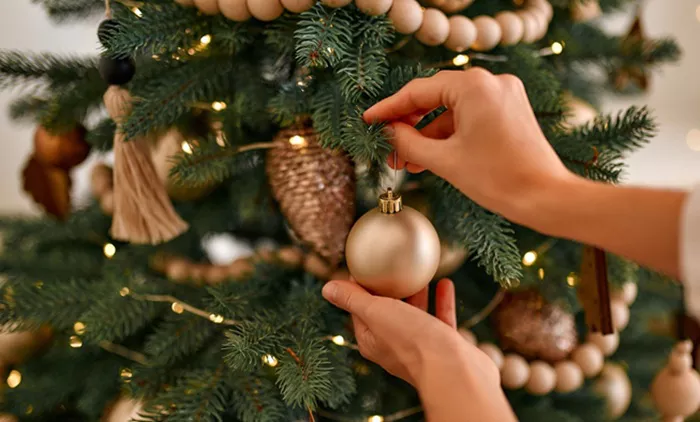
Christmas is a time of joy, warmth, and togetherness. The holiday season brings families together to celebrate with festive traditions, one of which is decorating a Christmas tree. The tree often becomes the focal point of the home, adorned with twinkling lights, colorful ornaments, and sometimes even a star or angel atop. But once the holidays are over, the question arises: when should you take down your Christmas tree?
This article will guide you through the history, traditions, and considerations that determine the perfect time for taking down your Christmas tree. Whether you are observing cultural norms, following religious traditions, or simply deciding what feels right for you, understanding the timing of this task is essential.
The Tradition of the Christmas Tree
The custom of the Christmas tree has evolved over centuries, with roots in European and Christian traditions. The evergreen tree symbolizes eternal life and is often associated with winter festivals that celebrate light, rebirth, and hope. The tree typically gets decorated to mark the beginning of the Christmas season, which officially starts on December 25th.
However, the timing of when to remove the tree varies widely. For some, it’s a matter of adhering to long-held traditions, while for others, it’s simply a practical consideration after the holiday celebrations have ended. But what are the factors that influence when the tree should come down?
Religious and Cultural Significance
In many Christian traditions, the Christmas season does not end on December 25th. Instead, it continues through Epiphany, which is celebrated on January 6th. This day marks the arrival of the Three Wise Men to visit the infant Jesus, completing the story of His birth. In this context, the Christmas season lasts twelve days, known as the Twelve Days of Christmas. Therefore, for many, the tradition is to leave the tree up until Epiphany.
In other cultures, the end of Christmas celebrations may fall at different points. For instance, in some Eastern Orthodox traditions, Christmas is celebrated later in January, and the tree may remain up well into the New Year. The tree is often taken down after the New Year festivities and the completion of these extended holiday celebrations.
If you follow a particular religious or cultural tradition, these dates can be a guide for when to start packing up your Christmas tree. If you’re looking for a more personal take on when to take down your tree, however, it’s worth considering other factors.
The Symbolism of the Christmas Tree’s Duration
The Christmas tree is not just a decoration, but a symbol of the holiday spirit. It’s a marker of the joy and unity experienced during the season. The process of taking down the tree can therefore feel like a symbolic ending to the year’s festivities, but it also provides an opportunity to reflect on the memories created and to slowly transition back into daily life.
The time of taking down the tree can be influenced by the family’s emotional attachment to the holiday season. Some families might take down their tree the day after Christmas, eager to start fresh. Others might linger longer, holding on to the festive cheer for as long as possible. The process of dismantling the tree often represents a moment of closure, and it may occur slowly or all at once.
Practical Considerations: Tree Health and Maintenance
If you’ve chosen a real Christmas tree for the holiday season, one of the primary considerations for when to take it down is the health of the tree itself. Real trees are known for their beauty and natural fragrance, but they also have a limited lifespan once they are cut.
Over time, real Christmas trees dry out, and their needles start to shed, becoming a potential fire hazard. If you notice that your tree is losing its needles rapidly or that it’s no longer holding its shape, it might be time to take it down before it becomes too dangerous. Some signs that your tree may be overstay its welcome include:
Dry, brittle needles: If you can easily pull needles off the branches or they break when you touch them, it’s time to think about removing the tree.
Discoloration: If the tree begins to turn brown, it’s losing its vibrancy and may pose a fire risk.
Odor: While trees naturally emit a pleasant scent, a dry tree can start to smell musty or like burnt wood.
On the other hand, artificial trees do not have these concerns. Their longevity allows you to keep the tree up longer without worrying about maintenance. However, even artificial trees can start to look a little tired after the holiday season.
Environmental Considerations
In recent years, environmental concerns have prompted many families to rethink their choice of tree. Sustainability has become a key issue, especially in the context of real versus artificial trees.
Real trees: The carbon footprint of a real tree depends on factors like its transportation, disposal, and whether it is grown sustainably. Many areas now offer recycling programs for Christmas trees, so the tree can be repurposed for mulch or compost. Taking your tree down in a timely manner ensures that it can be properly recycled and put to good use, reducing its environmental impact.
Artificial trees: Although reusable, artificial trees are made of plastic and other synthetic materials, which are not biodegradable. As a result, they contribute to waste in the long term. It’s important to consider their environmental impact as well when deciding when to take them down.
By choosing when to take down your tree with environmental awareness in mind, you contribute to sustainable practices that benefit your local community and the planet.
When to Take Down the Tree: The Middle Ground
For many families, January 1st serves as a natural end to the holiday season. With the New Year ushering in a fresh start, it feels fitting to take down decorations, including the Christmas tree. New Year’s Day offers a sense of closure and transition, allowing people to return to their normal routines.
However, if you’ve had a busy holiday season or haven’t had time to enjoy your tree fully, waiting until Epiphany (January 6th) might feel more natural. This allows the tree to be part of the entire Christmas season, including the traditions of the Twelve Days of Christmas.
Personal Preferences and Household Dynamics
Ultimately, when you take down your Christmas tree should depend on what feels right for you and your family. Some people prefer to take down their tree as soon as the holiday festivities are over. This might be due to a desire for a clean, clutter-free space or simply because the holiday season has come to an end.
For others, it’s about lingering in the warmth and comfort of the season for a bit longer. The Christmas tree may hold sentimental value, serving as a reminder of family gatherings, laughter, and joy. For these families, delaying the removal of the tree provides extra time to bask in those memories before packing them away for another year.
The Ritual of Taking Down the Christmas Tree
The process of taking down your tree can become a ritual of its own. It can be an opportunity for family members to gather together one final time to dismantle the decorations, carefully pack them away for next year, and reminisce about the holiday moments. Some families may even plan to make this a fun event, complete with music, snacks, and stories.
For others, it’s more of a quiet, reflective task. Regardless of how you approach the tree’s removal, it’s a symbolic way to wrap up the holiday season.
Conclusion
When you take down your Christmas tree depends on a mix of tradition, religion, personal preferences, and practical considerations. Whether it’s the day after Christmas, New Year’s Day, or January 6th, the decision is ultimately yours to make.
By understanding the various factors involved—such as religious and cultural traditions, the tree’s health, environmental considerations, and your family’s needs—you can make a decision that feels right for you. No matter when you take down your Christmas tree, the act of doing so marks a moment of transition, where the joy of the holiday season gradually gives way to the rhythms of the new year.
Enjoy the tree while it’s up, and when the time comes, cherish the memories made before packing it away for next year.
Related topics: