
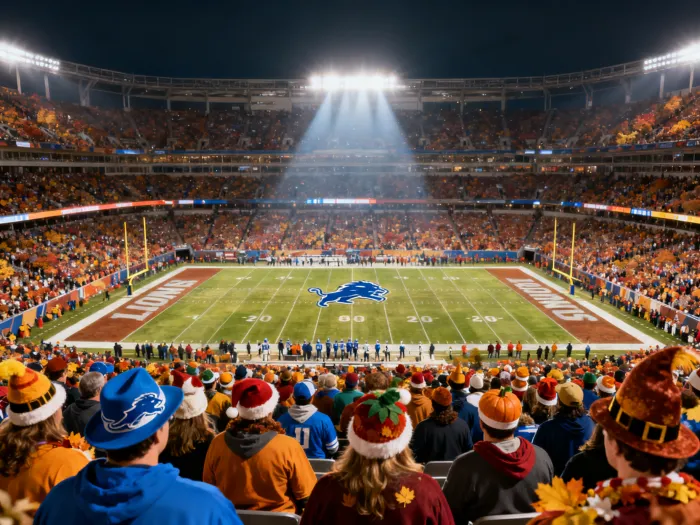
The Detroit Lions’ annual Thanksgiving Day game is a cherished American tradition that has spanned nearly nine decades. The origins of this custom date back to 1934, when team owner George A. Richards sought to boost attendance for his fledgling franchise. By scheduling a game on Thanksgiving Day—a national holiday when most Americans would be free from work—Richards hoped to draw larger crowds and generate excitement for professional football in Detroit. His gamble paid off: the inaugural Thanksgiving game between the Lions and the Chicago Bears attracted a sell-out crowd and received national radio coverage, planting the seeds for a yearly event that would become synonymous with both the team and the holiday itself.
From that point forward, except during World War II, the Lions have played a home game on Thanksgiving every year. The tradition became so ingrained that it is now a fixture of the National Football League (NFL) calendar, with millions tuning in each year to watch Detroit compete. The significance of this annual matchup goes beyond mere sport; it is a cultural touchstone that brings together families, friends, and football fans from across the country.
The NFL recognized the value of this tradition early on, and over time, they began to schedule other teams to play alongside Detroit on Thanksgiving. However, it is the Lions who have become most closely associated with the holiday, their blue-and-silver uniforms as much a part of Thanksgiving as turkey and pumpkin pie. In examining who the Lions play on Thanksgiving Day each year, it is essential to understand not just the history but also how opponents are chosen and what these matchups mean for fans and players alike.
The Process Behind Selecting Opponents for the Lions’ Thanksgiving Game
Each year, as NFL schedules are set, careful consideration is given to whom the Lions will face on Thanksgiving Day. While there is no single formula dictating their opponent, several factors influence the decision: division rivalries, historical matchups, competitive balance, and television ratings all play roles. Traditionally, many of these games feature NFC North rivals such as the Chicago Bears or Green Bay Packers—teams with which Detroit shares storied histories and passionate fan bases.
In some years, however, the NFL opts for variety by scheduling non-divisional opponents. This can serve multiple purposes: introducing fresh storylines, giving fans new matchups to enjoy, and ensuring that national audiences see compelling football. For example, in recent years, Detroit has faced teams like the Houston Texans and Buffalo Bills on Thanksgiving. These choices reflect both logistical considerations and an effort to keep holiday programming exciting for viewers.
The league typically announces its full schedule—including Thanksgiving games—in April or May preceding each season. This allows fans ample time to plan gatherings around these fixtures. The process is collaborative; input from network broadcasters (such as CBS or FOX), team owners, and league executives all contribute to finalizing matchups that will maximize viewership while honoring tradition.
It’s worth noting that while some years see repeat opponents—such as divisional rivals—the NFL strives for balance so that every team has an opportunity to participate in marquee games. This helps maintain interest not only among Lions fans but across the broader football community.
Notable Matchups and Historical Highlights: Who Have the Lions Played?
Over nearly ninety years of Thanksgiving Day games, Detroit has faced a wide array of opponents. Certain teams stand out due to repeated appearances or memorable contests:
- Chicago Bears: As one of Detroit’s oldest rivals, the Bears have played against the Lions more than any other team on Thanksgiving. Their battles are often closely contested and evoke strong emotions among fans.
- Green Bay Packers: Another NFC North foe frequently scheduled for this holiday matchup. Games against Green Bay often feature star players and playoff implications.
- Minnesota Vikings: While not as frequent as Bears or Packers matchups, contests against Minnesota are part of recent tradition.
- Dallas Cowboys: Although Dallas hosts its own annual Thanksgiving game since 1966, there have been rare occasions where Detroit has played them.
- Non-Divisional Teams: In recent years, teams like the Philadelphia Eagles (2015), Houston Texans (2012), Buffalo Bills (2022), Carolina Panthers (1999), and New England Patriots (2002) have traveled to Detroit for this special occasion.
Some games have entered NFL lore due to dramatic finishes or record-breaking performances. For instance:
- In 1997, Barry Sanders rushed for over 160 yards against Chicago in a dominant victory.
- In 2016, Matt Prater’s last-second field goal lifted Detroit over Minnesota.
- The infamous “Thanksgiving Coin Flip” controversy occurred in 1998 against Pittsburgh Steelers.
These moments contribute to the mystique surrounding Lions’ Thanksgiving games—a blend of athletic achievement and holiday celebration that makes each year’s matchup unique.
The Impact of Thanksgiving Games on Players, Fans, and Community
Playing on Thanksgiving offers unique opportunities—and challenges—for athletes. For many players, appearing in a nationally televised game provides increased visibility; standout performances can elevate careers or solidify legacies. The atmosphere inside Ford Field (and previously at Tiger Stadium or Pontiac Silverdome) is electric—fans arrive early, decked out in team colors and ready to celebrate both football and family togetherness.
For fans across Michigan—and indeed throughout America—the Lions’ game is more than entertainment; it is ritual. Generations gather around televisions after parades or before dinner to watch their team compete. Whether rooting for victory or simply enjoying camaraderie with loved ones, viewers form memories tied forever to both football and holiday traditions.
Detroit’s role as host city also brings economic benefits: local businesses thrive as crowds flock downtown for festivities. Restaurants fill up with patrons seeking pre-game meals; hotels welcome out-of-town visitors; merchandise sales spike during November each year. The broader community feels pride in showcasing its city on a national stage—a point of unity even during seasons when wins may be scarce.
Charitable initiatives often coincide with this game as well. The Lions Foundation supports youth programs throughout Michigan; halftime shows feature local artists or highlight causes important to residents. In recent years especially, efforts have focused on addressing hunger through partnerships with food banks—an apt reminder of gratitude central to Thanksgiving itself.
Future Trends: How Will Lions’ Thanksgiving Tradition Evolve?
As professional football continues to grow in popularity worldwide—and technology transforms how fans consume sports—the future of Detroit’s Thanksgiving game remains bright but dynamic. Advances in streaming allow audiences beyond traditional TV markets access to live broadcasts; social media amplifies highlights instantaneously; interactive features enable deeper engagement before, during, and after games.
The NFL has also begun experimenting with international outreach—broadcasting select games in multiple languages or featuring digital content tailored for global audiences. While Detroit’s holiday fixture remains quintessentially American in spirit, its reach now extends far beyond U.S borders.
Changes within league scheduling may influence future opponents as well. Expansion teams could join rotations; playoff implications might dictate more competitive matchups; flexible scheduling could allow late-season adjustments based on standings or storylines developing throughout autumn.
Yet amid innovation and change one constant endures: each November brings anticipation for another chapter in this storied tradition. Whether facing old rivals or new challengers—whether winning big or battling through adversity—the Detroit Lions will continue hosting one of sport’s most beloved rituals every Thanksgiving Day.
Additional Perspectives: Global Significance and Cultural Connections
While American football remains most popular domestically, international interest in major events like Thanksgiving Day games grows steadily each year. According to reports from global broadcasters such as Sky Sports (UK) or DAZN (Europe), viewership spikes during holidays when marquee matchups are scheduled—including those featuring historic franchises like Detroit Lions.
Cultural analysts point out that sports traditions help bridge generational divides—providing common ground for families regardless of background or beliefs. In multicultural cities such as Detroit itself, where residents hail from diverse origins yet share communal pride in local teams—the annual game becomes more than sport; it becomes celebration of unity amid difference.
Scholars studying festivalology note parallels between football rituals and other holiday customs worldwide: communal feasting (tailgating before kickoff), symbolic acts (singing national anthem), shared storytelling (recounting past victories). These elements reinforce bonds among participants even if outcomes vary from year to year.
Looking ahead as globalization accelerates cultural exchange—the importance placed on traditions like Lions’ Thanksgiving game may increase rather than diminish: serving not only American audiences but inspiring similar events elsewhere where sport brings people together around shared values of gratitude and camaraderie.
Related topics: