
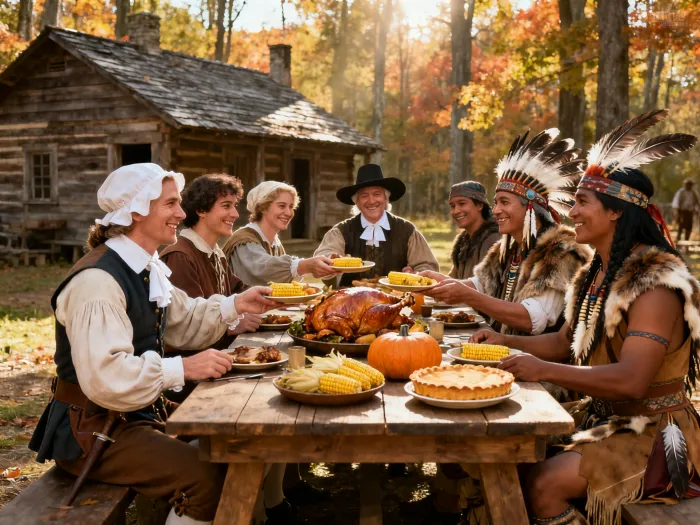
Thanksgiving is one of the most beloved holidays in the United States. It is a time when people gather with family and friends, eat way too much food, and politely argue about who gets the last piece of pie. But have you ever wondered who celebrated the first Thanksgiving? Was it really a bunch of pilgrims in funny hats, or did someone else sneak in a feast before them? In this article, we will explore the origins of Thanksgiving, meet the people who celebrated it first, and uncover some surprising facts that might just make you smile.
Let’s begin our journey with a question as old as pumpkin pie: Where did Thanksgiving come from? The answer is not as simple as you might think. Some historians argue about dates, places, and even what was served for dinner. But most agree that the first widely recognized Thanksgiving celebration took place in 1621. It was held in Plymouth Colony, in what is now Massachusetts. Back then, there were no supermarkets or cranberry sauce in cans. The people who gathered for that first feast were the Pilgrims and their Native American neighbors, the Wampanoag.
Before we jump into who ate what and why everyone was so thankful, let’s take a quick look at the world at that time. The year 1621 was not exactly a walk in the park. The Pilgrims had arrived in America on the Mayflower just a year earlier, in 1620. Their journey across the Atlantic was long and uncomfortable. If you think airplane food is bad, imagine eating dried peas and salted meat for weeks on end! When they finally landed, they faced a harsh winter and many challenges. By spring, only about half of them had survived.
But help was on the way. The Wampanoag people lived nearby and had been in North America for thousands of years. They knew how to grow crops, hunt animals, and survive New England’s wild weather. Thanks to their generosity, the Pilgrims learned how to plant corn (not just for popping at movie nights), catch fish, and collect berries. So when autumn arrived and the harvest was good, everyone agreed it was time for a party.
Who Were the Pilgrims? Funny Hats and Serious Faces
The Pilgrims are often pictured as serious folks wearing black clothes and funny buckled hats. But let’s clear up some myths before we move on. First, those hats with big buckles? Sorry to disappoint you—they probably didn’t wear them. The Pilgrims were English settlers looking for religious freedom. They left England because they wanted to worship their own way without interference from grumpy kings or strict church leaders.
They sailed on a ship called the Mayflower, which was crowded and smelly (no Wi-Fi either). There were about 102 passengers onboard when they set off in September 1620. After more than two months at sea—think of all those sea shanties—they landed near Cape Cod instead of their intended destination further south.
Life in Plymouth Colony was tough at first. Many Pilgrims got sick during that first winter, partly because they didn’t have enough food or warm houses. In fact, by spring only around half of them survived. But those who made it through were determined to build a new life.
The leader of the group was William Bradford. He later became governor of Plymouth Colony and wrote an account of their experiences called “Of Plymouth Plantation.” Bradford described how grateful everyone felt when they finally had enough food to eat after that difficult year.
So what did these Pilgrims do when autumn arrived? Did they throw a giant party with turkey-shaped balloons? Not quite—but they did organize a feast to celebrate their successful harvest.
Meet the Wampanoag: The Real Party Planners
If you think the Pilgrims invented Thanksgiving all by themselves, think again! The Wampanoag people played an essential role in making that first celebration possible. Without their help, there might not have been any corn pudding or roasted duck at all.
The Wampanoag tribe had lived in what is now Massachusetts for thousands of years before Europeans arrived. They were skilled farmers, hunters, and fishermen—think master chefs who also knew how to build houses out of bark and grass mats.
One important figure was Squanto (also known as Tisquantum). He spoke English because he had previously been kidnapped by European explorers (not cool) but later returned home. Squanto taught the Pilgrims how to plant corn using fish as fertilizer—a trick that made their crops grow much better than before.
Chief Massasoit was another key player at that first Thanksgiving. He led the Wampanoag people and helped negotiate peace with the newcomers from England. When it came time to celebrate the harvest, Massasoit brought around ninety Wampanoag men to join the festivities.
So next time someone tells you Thanksgiving is just about Pilgrims wearing strange hats, remind them about Squanto’s gardening tips and Massasoit’s diplomatic skills!
The First Feast: What Was on the Menu?
Now let’s talk turkey—or maybe not! The menu at that first Thanksgiving feast was quite different from what we eat today. There were no mashed potatoes covered with gravy or pies loaded with whipped cream (tragic news for dessert lovers).
According to historians—and some very old shopping lists—the foods likely included venison (deer meat), wild fowl (which could mean ducks or geese), fish, shellfish like clams and lobsters (fancy!), corn cooked into porridge or bread, beans, squash, nuts, berries, and maybe pumpkin—but not in pie form.
William Bradford wrote about how grateful everyone felt to have enough food after such hard times. Edward Winslow, another leader in Plymouth Colony, described how Chief Massasoit’s men brought five deer to share with everyone—talk about generous neighbors!
The feast lasted three days (take that, weekend brunch). People played games like running races or shooting contests with bows and arrows—no football on TV yet! Both Pilgrims and Wampanoag enjoyed each other’s company despite their differences in language and customs.
If you’re wondering about turkey—yes, wild turkeys did live nearby but there’s no clear record they made it onto anyone’s plate that day. Cranberry sauce? Sorry—no sugar meant no sweet sauces yet!
From Humble Beginnings to National Holiday: How Thanksgiving Became Official
After that first celebration in 1621, Thanksgiving didn’t become an annual event right away. The Pilgrims continued to hold feasts when things went well—but sometimes skipped them if crops failed or snowstorms ruined plans (Mother Nature can be a party pooper).
Other colonies started their own thanksgiving days too—often tied to local events like military victories or successful harvests. It wasn’t until centuries later that Thanksgiving became a national holiday across America.
Enter Sarah Josepha Hale—a determined writer who campaigned for decades to make Thanksgiving official (she also wrote “Mary Had a Little Lamb”—clearly loved her holidays). She wrote letters to presidents urging them to declare a national day of thanks.
Finally in 1863—during the Civil War—President Abraham Lincoln listened to Hale’s plea and declared Thanksgiving a national holiday. He hoped it would unite Americans during tough times (and maybe distract them from arguing about politics over dinner).
Today Thanksgiving is celebrated on the fourth Thursday in November—with parades featuring giant balloons shaped like cartoon characters (who knew Snoopy would become part of history?), football games watched by millions on TV (including people pretending they’re interested), and tables groaning under mountains of food.
Thanksgiving Around the World: Who Else Loves a Feast?
Believe it or not, Americans aren’t the only ones who celebrate thanksgiving-style holidays! Other countries have their own versions of feasts giving thanks for harvests or good fortune.
In Canada, Thanksgiving takes place on the second Monday in October—earlier than American Thanksgiving because Canada gets cold fast! Canadians eat turkey too but might add maple syrup just because they can.
Germany celebrates Erntedankfest—a harvest festival where people decorate churches with fruits and vegetables (veggies as art!). Japan has Kinro Kansha no Hi—a holiday honoring workers rather than harvests but still involves plenty of tasty treats.
Liberia also celebrates Thanksgiving due to its historical ties with America—but adds spicy African dishes like jollof rice alongside roasted meats (a delicious twist).
So if you ever feel left out because your pie isn’t pumpkin-flavored or your stuffing includes raisins (controversial!), remember: Thankfulness comes in many forms—and so does dinner!
Humorously Debunking Myths: Pilgrim Hats & Turkey Fails
Let’s address some classic myths about that first Thanksgiving—with a side order of humor!
- Myth #1: Pilgrims wore hats with giant buckles because they loved shiny things.
- Reality: Their hats were pretty plain; buckles came later when fashion got weird.
- Myth #2: Turkey was definitely served because everyone loves turkey sandwiches.
- Reality: Maybe there was turkey; maybe not! Deer meat got top billing thanks to Massasoit’s hunting skills.
- Myth #3: Everyone sat around one big table politely passing potatoes.
- Reality: Tables weren’t big enough; folks likely ate outside picnic-style—and probably fought over drumsticks anyway!
- Myth #4: Pumpkin pie was invented on day one because someone needed dessert after all those veggies.
- Reality: No ovens meant no pies! Roasted pumpkin chunks had to do until technology improved.
- Myth #5: There were elegant speeches about gratitude while birds sang softly overhead.
- Reality: More likely there were awkward silences broken by laughter—or loud chewing noises!
If your family traditions seem odd compared to history’s version—don’t worry! Everyone makes up new stories as time goes by (and sometimes forgets where they put Grandma’s gravy boat).
- Reality: More likely there were awkward silences broken by laughter—or loud chewing noises!
Legacy of Friendship: Lessons from That First Feast
The story of Thanksgiving isn’t just about eating too much food or trying not to fall asleep during football games—it’s also about friendship between very different groups of people who managed to share what they had during hard times.
The Pilgrims were newcomers facing challenges far from home; they relied on help from experienced neighbors—the Wampanoag—who generously shared knowledge and resources despite uncertainty about these strange visitors from across the ocean.
While relationships between Native Americans and settlers grew complicated over time—with plenty of conflict alongside cooperation—the first Thanksgiving stands out as an example of goodwill amid adversity.
Modern celebrations might focus more on stuffing recipes than diplomacy but remembering these lessons can help us appreciate both history’s complexity and our own opportunities for kindness today.
So next time you’re tempted to argue about whether canned cranberry sauce counts as real food—or whether Aunt Edna’s green bean casserole should be banned forever—remember: sharing is caring…and laughter makes every feast better!
Conclusion: Who Really Celebrated First? And Why We Keep Remembering
So who celebrated the first Thanksgiving? The answer is both simple—and deliciously complicated! The credit goes to both Pilgrims seeking new beginnings AND Wampanoag friends who made survival possible with wisdom (and excellent gardening tips).Their three-day harvest feast brought together people from different backgrounds who shared food—even if nobody could agree on whether turkey beats venison for leftovers.As centuries passed Americans turned this historic meal into an annual holiday filled with parades shaped like cartoon characters—and arguments over proper stuffing technique—but its roots remain humble: gratitude for good fortune; generosity among strangers; hope during hard times; humor even when dinner burns!Whether you celebrate with pie or pizza—or just hang out watching football—you’re part of a tradition bigger than any single meal: one built on friendship…and maybe just a little bit on arguing over drumsticks!Let’s raise our forks—and our spirits—to history’s most famous dinner party…and hope next year someone remembers where they put that gravy boat!
Related topics: