
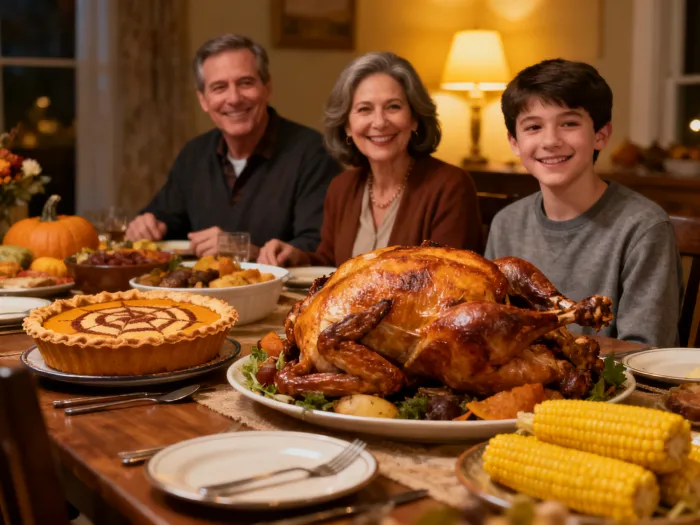
Thanksgiving is a time when many imagine tables piled high with roast turkey, mashed potatoes, and pumpkin pies. Families gather, and the spirit of gratitude fills the air. But not every country celebrates Thanksgiving the way you might think. While it’s most famously associated with the United States and Canada, the tradition of giving thanks for a bountiful harvest is celebrated worldwide—often with unique customs and flavors. So, which countries celebrate Thanksgiving, and how do their traditions differ? Let’s explore this global feast of gratitude!
What is Thanksgiving? A Global Celebration of Thanks
Thanksgiving, as we know it today, is a holiday focused on giving thanks for a successful harvest and appreciating life’s blessings. While the U.S. and Canada are home to the most widely recognized Thanksgiving celebrations, this tradition spans many cultures, each with its own spin. Whether it’s a formal holiday or a simple harvest festival, the act of giving thanks for food, family, and fortune is universal. But Thanksgiving’s origins stretch far beyond the Pilgrims and turkey—it’s a time-honored tradition that’s been celebrated for centuries in various forms around the world.
United States: Home of the Turkey (and Football)
In the U.S., Thanksgiving is a national event, celebrated on the fourth Thursday of November. For many, this day is synonymous with turkey, stuffing, and family gatherings. The story behind American Thanksgiving is often traced back to 1621, when Pilgrims at Plymouth Rock shared a feast with Native Americans to mark a successful harvest. While the details of that first meal remain a subject of debate, today’s celebration is all about tradition—watching parades, eating large quantities of food, and enjoying time with loved ones.
Over the years, Thanksgiving has evolved into a blend of history, tradition, and commercialization. People gather to share what they’re thankful for, and of course, watch the Macy’s Thanksgiving Day Parade or football games. The meal typically includes turkey, mashed potatoes, cranberry sauce, sweet potatoes, and a variety of pies—ensuring that no one leaves the table hungry. And after the feast, many head out to shop for Black Friday deals.
Canada: Early Birds with a Harvest Feast
In Canada, Thanksgiving is celebrated on the second Monday in October—six weeks earlier than in the U.S. While it shares many of the same traditions (family gatherings, harvest feasts, and football), the origins of Canadian Thanksgiving are rooted in the country’s colonial history. The first Thanksgiving celebration in Canada dates back to 1578, when English explorer Martin Waldseemüller gave thanks for a safe journey across the Atlantic.
Canadian Thanksgiving meals feature turkey, stuffing, and pies, much like their American counterparts. However, the holiday has a more relaxed vibe, with outdoor activities like hiking or enjoying the fall foliage. Unlike in the U.S., there’s no shopping frenzy, and the emphasis is placed on family, gratitude, and enjoying nature.
Other Countries with Thanksgiving-Like Festivals: A Global Feast
While the U.S. and Canada are the most well-known Thanksgiving celebrators, many other countries have their own variations of thanksgiving-like festivals. Here’s a quick look:
- Germany: Erntedankfest (Harvest Festival) is celebrated in late September or October, involving church services and local food offerings, though turkey is seldom on the menu.
- Japan: Kinrō Kansha no Hi (Labor Thanksgiving Day) on November 23rd focuses on honoring laborers rather than harvests. It’s a day to appreciate the hard work of others, with schoolchildren creating thank-you cards for workers.
- Liberia: Liberia, founded by freed American slaves, celebrates Thanksgiving on the first Thursday of November. This holiday has clear American roots, though it incorporates local flavors, including spicy Liberian dishes.
- Grenada: In Grenada, Thanksgiving on October 25th commemorates the U.S.-led military intervention in 1983, rather than a harvest. It’s marked by large meals and expressions of gratitude.
- Norfolk Island: This small island celebrates Thanksgiving due to American influence from whalers in the 19th century. It’s a community event, featuring church services and meals.
Across Asia, many cultures host harvest festivals like China’s Mid-Autumn Festival or South Korea’s Chuseok, each reflecting gratitude in different ways—whether with mooncakes, rice cakes, or lanterns.
The Roots of Thanksgiving: A Universal Tradition
The tradition of giving thanks for a bountiful harvest is ancient. Long before pumpkin pies and cranberry sauce, societies across the globe held feasts to celebrate successful harvests. In ancient Egypt, for example, people honored the god Min with celebrations following the grain harvest along the Nile. The Romans celebrated Cerelia, a festival dedicated to Ceres, the goddess of grains, with banquets and offerings.
Indigenous peoples across North America also held seasonal feasts to give thanks for the harvest, with the Green Corn Ceremony being one example. These rituals, which included sharing food and recounting stories, were focused on giving thanks for the community’s abundance.
The Role of Religion in Thanksgiving Celebrations
Religious beliefs often play a significant role in thanksgiving celebrations. In Christian cultures, thanksgiving rituals are often linked to church services and prayers of gratitude. Judaism celebrates Sukkot, a harvest festival with deep spiritual meaning, while Hinduism celebrates Pongal, a festival of thanks for the sun god Surya.
Many countries’ thanksgiving festivals, whether secular or religious, often include communal meals, prayers, and other customs that honor life’s blessings.
Modern Twists: Thanksgiving Goes Global
Today, Thanksgiving has become a global celebration, with American expats bringing the tradition to new places. From Parisian apartments filled with the smell of pumpkin pie to beachside barbecues in Australia, the spirit of Thanksgiving spreads worldwide. Social media, too, has helped popularize “Friendsgiving”—a celebration of friends over family, and a chance to share the joy of the season, even for those far from home.
In Mexico, you might find tacos with turkey at local cafés, and in South Korea, pumpkin lattes are popular at Starbucks, influenced by American Thanksgiving flavors. Meanwhile, global retailers embrace “Black Friday,” even in places that don’t celebrate Thanksgiving, turning it into an international shopping phenomenon.
Conclusion: A Feast of Gratitude Beyond Borders
So, which countries celebrate Thanksgiving? The answer isn’t just one nation—it’s many. Whether it’s a formal holiday or a local tradition, Thanksgiving transcends borders and brings people together in gratitude. From the U.S. and Canada to Germany, Japan, Liberia, and beyond, people around the world pause to reflect on their blessings. It’s not just about the food or the timing, but about recognizing what we have and expressing thanks for it.
As Thanksgiving traditions continue to evolve, we see that the spirit of gratitude is universal. It’s a reminder that no matter where we are, the act of giving thanks connects us all—through feasts, festivals, and the joy of sharing.
Related topics: