
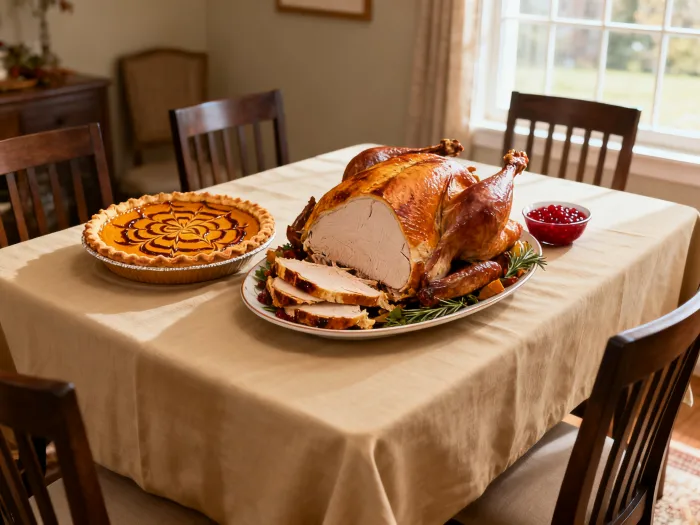
Thanksgiving Day stands as one of the most cherished holidays in the United States and Canada, celebrated with family gatherings, expressions of gratitude, and, perhaps most significantly, an elaborate feast. At its core, Thanksgiving is a time when people come together to reflect on the blessings of the year and share a meal that is both comforting and festive. While the holiday has deep historical roots—dating back to early colonial times—the culinary traditions associated with Thanksgiving have evolved over centuries, influenced by regional preferences, cultural backgrounds, and changing lifestyles.
The central theme of Thanksgiving revolves around gratitude and abundance. This is vividly reflected in the food prepared for the occasion. The classic Thanksgiving meal typically features roasted turkey as its centerpiece, accompanied by a variety of side dishes such as stuffing, mashed potatoes, cranberry sauce, and pumpkin pie. However, what constitutes the ‘perfect’ Thanksgiving menu can vary widely depending on family traditions, local ingredients, and personal tastes.
Understanding what to cook on Thanksgiving Day involves more than simply following recipes; it requires appreciation for history, respect for tradition, and openness to new culinary ideas. Many families have unique dishes passed down through generations that hold special meaning. Others experiment with innovative flavors or adapt traditional recipes to suit dietary needs. In this guide, we will explore the essential components of a Thanksgiving meal—from appetizers to desserts—while considering both classic staples and modern alternatives.
Thanksgiving cooking is not just about food; it is about connection. Preparing a meal together fosters community and creates lasting memories. Whether you are hosting a large gathering or an intimate dinner, selecting what to cook for Thanksgiving should be an enjoyable process that brings people together in celebration.
The Classic Centerpiece: Turkey Preparation and Alternatives
The roasted turkey has long been regarded as the quintessential dish of Thanksgiving Day. Its preparation is often a labor of love, requiring careful planning and attention to detail. Selecting a high-quality bird is the first step—some families opt for fresh turkeys from local farms while others choose frozen ones from supermarkets. The size of the turkey should correspond to the number of guests; typically, allow about one pound per person to ensure generous portions.
Seasoning is key to achieving a flavorful turkey. Many cooks use a simple blend of salt, pepper, herbs such as thyme and rosemary, and butter or olive oil. Some prefer brining the turkey overnight in a solution of saltwater and spices to enhance moisture and tenderness. Roasting times vary depending on the weight of the bird; generally, turkeys are cooked at 325°F (163°C) until they reach an internal temperature of 165°F (74°C).
In addition to traditional roasting methods, alternative cooking techniques have gained popularity in recent years. Deep-frying provides a crispy exterior while retaining juiciness inside; however, safety precautions are crucial due to the use of hot oil. Smoking imparts a rich, smoky flavor that complements the mild taste of turkey meat. For those seeking convenience or smaller portions, turkey breasts or legs can be prepared separately.
Not everyone chooses turkey as their main course. Vegetarian and vegan households often serve plant-based alternatives such as stuffed squash, lentil loaves, or tofu roasts flavored with traditional seasonings. These options provide similar textures and flavors without animal products. Regional variations also exist—for example, some Southern families prepare ham or roast beef alongside or instead of turkey.
Ultimately, the choice of centerpiece should reflect your guests’ preferences and dietary needs. Whether you adhere strictly to tradition or embrace new culinary innovations, the main dish sets the tone for your Thanksgiving celebration.
Essential Side Dishes: From Stuffing to Vegetables
No Thanksgiving table would be complete without an array of side dishes designed to complement the main course. Among these sides, stuffing—sometimes called dressing—is perhaps the most iconic. Traditional stuffing combines cubed bread with onions, celery, herbs (such as sage), broth, and sometimes sausage or nuts. It can be baked inside the turkey or separately in a casserole dish for a crispier texture.
Mashed potatoes are another staple side dish that offers creamy comfort with every bite. Classic recipes involve boiling peeled potatoes until tender and mashing them with butter, milk or cream, salt, and pepper. Variations may include garlic or cheese for added richness. Gravy made from turkey drippings provides a savory finishing touch.
Cranberry sauce adds a sweet-tart contrast that balances heavier flavors on the plate. Homemade versions are simple: simmer fresh cranberries with sugar and orange juice until thickened. Canned cranberry sauce remains popular due to its convenience.
Other common sides include green bean casserole (green beans baked with cream of mushroom soup and crispy onions), sweet potato casserole topped with marshmallows or pecans, roasted Brussels sprouts tossed in olive oil and balsamic vinegar, glazed carrots prepared with honey or brown sugar, corn pudding made from creamed corn and eggs baked until set.
Regional differences abound in side dish selections. In New England states you may find oyster stuffing; in the Midwest wild rice casseroles are common; Southern tables often feature cornbread dressing or collard greens stewed with smoked meats.
For those accommodating dietary restrictions—such as gluten-free or vegan diets—many traditional sides can be adapted using alternative ingredients like gluten-free bread for stuffing or plant-based butter for mashed potatoes.
Side dishes not only enhance the meal but also provide opportunities for creativity in presentation and flavor combinations.
Appetizers and Starters: Setting the Stage for Feasting
While appetizers are not mandatory at every Thanksgiving gathering, they serve an important role in setting a festive mood and keeping guests satisfied while the main meal is prepared. Simple starters such as mixed nuts or cheese platters are always welcome additions.
More elaborate appetizers might include stuffed mushrooms filled with breadcrumbs and herbs; deviled eggs seasoned with paprika; shrimp cocktail served with tangy sauce; mini quiches made from eggs, cheese, spinach or ham; crostini topped with goat cheese and cranberry chutney.
Soup is another popular starter—options range from creamy butternut squash soup garnished with toasted seeds to hearty pumpkin soup flavored with ginger and nutmeg. Serving soup allows hosts to showcase seasonal produce while providing warmth on chilly autumn days.
Salads can introduce fresh flavors amid rich dishes: mixed greens tossed with apples or pears; spinach salad adorned with dried cranberries and walnuts; arugula dressed lightly in vinaigrette.
Appetizers should be easy to prepare ahead so hosts can focus on other aspects of meal preparation during busy holiday hours.
Desserts: Sweet Conclusions to Thanksgiving Feasts
Dessert marks the grand finale of any Thanksgiving celebration—and pumpkin pie reigns supreme among sweet treats served on this holiday. The classic recipe combines pureed pumpkin with eggs, sugar (or maple syrup), cinnamon, nutmeg, ginger, clove—all poured into a flaky pastry crust and baked until set.
Apple pie offers another traditional choice: sliced apples mixed with sugar and spices encased in double-crust pastry then baked golden brown. Pecan pie—with its rich filling made from corn syrup or maple syrup—is especially popular in Southern states.
Other desserts might include sweet potato pie flavored similarly to pumpkin pie but using mashed sweet potatoes; cranberry-apple crisp topped with oat streusel; bread pudding made from leftover rolls soaked in custard then baked until firm; chocolate cake layered with whipped cream; cookies shaped like autumn leaves decorated with colored icing.
For those seeking lighter options: fruit salad featuring seasonal produce such as grapes, pears or oranges; sorbet made from cranberries or apples; yogurt parfaits layered with granola and berries.
Desserts should reflect both tradition and creativity—offering something familiar yet exciting for guests young and old alike.
Planning Your Menu: Tips for Organization and Execution
Creating an organized plan is essential for successful Thanksgiving cooking—especially when preparing multiple dishes simultaneously for large groups. Begin by listing all desired menu items—including appetizers, main courses, sides desserts—and noting any dietary restrictions among guests (such as allergies or vegetarian preferences).
Advance preparation is key: many components can be made ahead (e.g., pie crusts baked a day before; cranberry sauce chilled overnight). Stagger cooking times so oven space is maximized efficiently—roast turkey early while prepping sides that require less time.
Delegate tasks among family members where possible—for example someone chops vegetables while another prepares doughs or sauces—to foster teamwork and reduce stress on hosts.
Keep kitchen tools organized: ensure enough baking pans mixing bowls serving platters utensils are available before beginning work so last-minute searches do not interrupt workflow.
Setting up a buffet-style arrangement allows guests flexibility in serving themselves—and enables hosts to enjoy more time at table rather than constantly managing plates behind scenes.
Conclusion
Thanksgiving cooking is more than just a culinary tradition; it’s an opportunity to celebrate family, heritage, and community. Whether you stick to classic recipes or experiment with new flavors, the essence of the holiday remains the same—bringing people together to share a meal in gratitude. By planning ahead, embracing both tradition and innovation, and involving loved ones in the process, you can create a memorable feast that honors the spirit of Thanksgiving.
Related topics: