
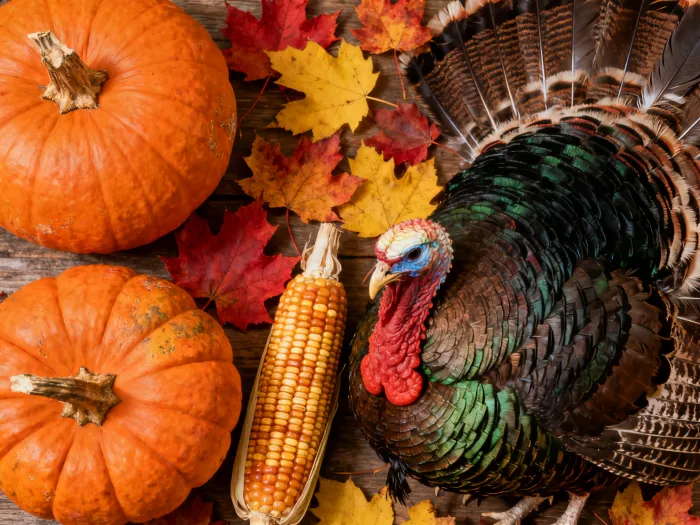
Thanksgiving is a widely celebrated holiday in the United States and Canada. It is a time when families and friends come together to express gratitude for the harvest and blessings of the past year. One important aspect of Thanksgiving is its rich palette of traditional colors. These colors are more than decorative—they have historical and cultural meanings that enhance the spirit of the holiday.
This article explores what Thanksgiving colors are, their origins, and their significance.
The Main Thanksgiving Colors
Thanksgiving colors are mainly inspired by nature and the harvest season. The most common colors associated with Thanksgiving include:
- Orange
- Brown
- Yellow
- Red
- Gold
- Green
Each of these colors reflects elements of autumn and the traditional foods served during Thanksgiving celebrations.
Orange: The Color of Harvest
Orange is perhaps the most prominent color during Thanksgiving. It represents pumpkins, sweet potatoes, and the changing leaves on trees. Orange symbolizes warmth, abundance, and the bounty of the harvest. Pumpkins, in particular, have become an iconic symbol of Thanksgiving due to their role in traditional meals and decorations.
Brown: Connection to Earth and Tradition
Brown is another key color for Thanksgiving. It stands for the earth, soil, and the natural world. Brown also represents many foods commonly served at Thanksgiving dinner, such as turkey, stuffing, bread, and gravy. This color reminds people of simplicity, comfort, and home.
Yellow: Light and Gratitude
Yellow brings brightness to Thanksgiving celebrations. It represents corn, wheat, squash, and other crops harvested in the fall. Yellow is a symbol of light, hope, happiness, and thankfulness. It is often seen in table centerpieces with sunflowers or corn cobs.
Red: Warmth and Family Bonds
Red appears in many forms during Thanksgiving—cranberry sauce on the table, apples in pies, or the deep red leaves outdoors. Red stands for warmth, love, and togetherness. It highlights the importance of family bonds during this holiday season.
Gold: Prosperity and Celebration
Gold adds a touch of celebration to Thanksgiving decor. It signifies prosperity, wealth from the harvest, and festive spirit. Gold accents can be found in table settings or decorations to create an elegant atmosphere.
Green: Life and Hope
Though not as dominant as other colors, green is still present in Thanksgiving themes. Green represents life, renewal, and hope for a fruitful year ahead. Vegetables such as beans or leafy greens serve as reminders of ongoing growth even as autumn signals change.
Historical Origins of Thanksgiving Colors
The origins of these colors trace back to Native American traditions and early colonial life. Native Americans used natural materials—corn husks, berries, leaves—for decoration during their own harvest festivals. When European settlers arrived in North America, they adopted these customs.
During the first Thanksgiving feast in 1621, settlers shared foods like corn (yellow), squash (orange), wild fowl (brown), berries (red), and beans (green) with Native Americans. These foods—and their vibrant colors—became central to future celebrations.
Modern Uses of Thanksgiving Colors
Today, people use Thanksgiving colors in various ways:
- Table settings: napkins, plates, candles in traditional hues.
- Home decor: wreaths with colored leaves or pumpkins.
- Clothing: warm-toned outfits reflecting autumn shades.
- Crafts: children’s art projects featuring turkeys or fall scenes using orange, yellow, red, brown.
These practices help create a warm atmosphere that honors tradition while celebrating gratitude.
Symbolic Meaning Beyond Decoration
Thanksgiving colors are not just about decoration; they carry deeper meanings:
- Orange: Generosity & celebration of abundance.
- Brown: Stability & connection to roots.
- Yellow: Optimism & gratitude for blessings received.
- Red: Love & unity among family members.
- Gold: Achievement & thankfulness for prosperity.
- Green: Renewal & hope for future growth.
Each color reminds participants to reflect on what they have received throughout the year.
Conclusion
Thanksgiving colors are an essential part of holiday tradition. Rooted in history and shaped by cultural symbolism, these hues bring warmth and meaning to gatherings each November. By understanding their significance—from orange pumpkins to golden tableware—people can appreciate how color enriches the spirit of gratitude that defines Thanksgiving.
Related topics: