
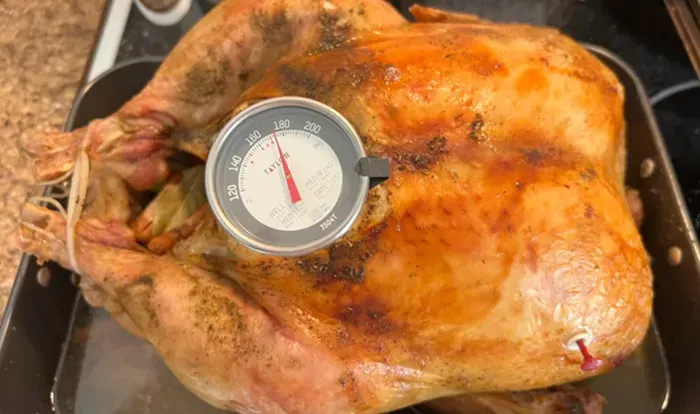
Thanksgiving is a cherished holiday in the United States, marked by family gatherings and a festive meal. The centerpiece of most Thanksgiving tables is the roasted turkey. Preparing a turkey requires careful planning, and one of the most critical steps is thawing. Proper thawing ensures the turkey cooks evenly and safely, making it essential for both taste and food safety.
Why Thawing Matters
A frozen turkey cannot be cooked properly without adequate thawing. If not fully defrosted, parts of the turkey may remain undercooked, posing food safety risks. The USDA recommends that all turkeys be completely thawed before roasting to ensure even cooking. Thawing also helps retain moisture, resulting in a juicier and more flavorful bird.
Methods of Thawing a Turkey
There are two primary methods for thawing a turkey: refrigerator thawing and cold water thawing. Each method has specific guidelines and time requirements.
Refrigerator Thawing
This is the safest and most recommended method. Place the frozen turkey in its original packaging on a tray or in a pan to catch any juices. Set it in the refrigerator, allowing ample time for gradual defrosting. The rule of thumb is to allow 24 hours of thawing for every 4-5 pounds of turkey.
Example:
- 4-12 pounds: 1-3 days
- 12-16 pounds: 3-4 days
- 16-20 pounds: 4-5 days
- 20-24 pounds: 5-6 days
For Thanksgiving Day feasts, count backward from your planned cooking day to determine when to start thawing.
Cold Water Thawing
If you are short on time, cold water thawing is faster but requires more attention. Submerge the turkey in its packaging in cold water, changing the water every 30 minutes. Allow about 30 minutes per pound.
Example:
- 8-pound turkey: about 4 hours
- 16-pound turkey: about 8 hours
Never use warm or hot water, as this can promote bacterial growth.
When to Start Thawing
Planning is key for a successful Thanksgiving meal. To determine when to start thawing:
- Know your turkey’s weight. Check packaging or ask your grocer.
- Choose your thawing method: Refrigerator thawing is safest; cold water thawing works if time is limited.
- Count backward from your cooking day: For refrigerator thawing, begin several days before Thanksgiving based on weight.
- Monitor conditions: Keep your refrigerator at or below 40°F (4°C). For cold water thawing, maintain water temperature below this level.
Sample Timeline:
If Thanksgiving falls on Thursday:
- For a 16-pound turkey (refrigerator method): Begin thawing on Sunday.
- For cold water method: Begin early Thursday morning if you plan to cook later in the day.
Common Mistakes to Avoid
Many home cooks underestimate thaw times or use unsafe methods:
- Leaving turkey at room temperature: Never do this; bacteria multiply rapidly at room temperature.
- Using hot water: This encourages uneven thawing and bacterial growth.
- Not planning ahead: Last-minute rushing can lead to unsafe food or an undercooked bird.
Safe Handling Tips
As you handle your turkey, remember these tips:
- Always wash hands before and after touching raw poultry.
- Use separate utensils and cutting boards for raw meat and other foods.
- Clean all surfaces with hot, soapy water after handling raw turkey.
Conclusion: A Successful Thanksgiving Starts with Planning
Thawing your Thanksgiving turkey may seem simple, but timing and method are crucial for a delicious and safe holiday meal. Start by determining your bird’s weight and select the appropriate thawing technique well ahead of time. With proper planning and safe practices, you can ensure that your Thanksgiving centerpiece will be perfectly cooked, moist, and enjoyed by all gathered around your table.
Related topics: