
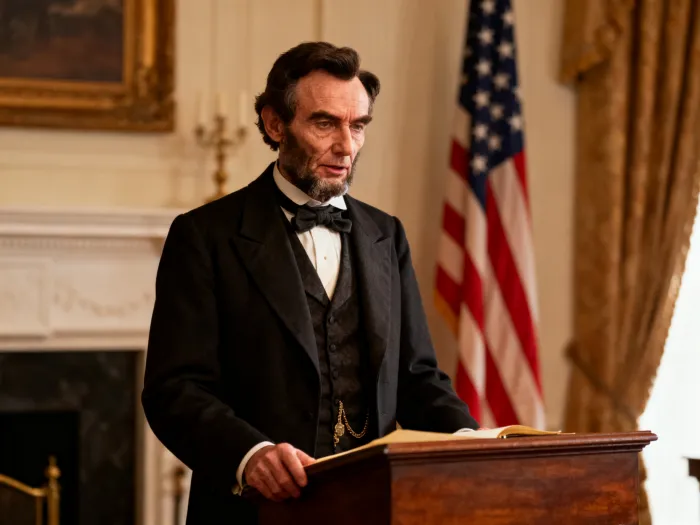
Thanksgiving is one of the most cherished holidays in the United States. While its roots trace back to early colonial celebrations, the formal establishment of Thanksgiving as a national holiday is closely linked to President Abraham Lincoln’s proclamation in 1863. This historic document not only unified the nation during a turbulent time but also shaped the way Americans celebrate gratitude and togetherness. This article provides a detailed overview of Lincoln’s Thanksgiving Proclamation, its historical context, and its lasting significance.
Historical Context: America During the Civil War
In 1863, the United States was embroiled in the Civil War. The nation was deeply divided, and families across the country faced uncertainty and loss. Despite these challenges, there were calls for unity and hope. One influential voice was Sarah Josepha Hale, an editor and writer who campaigned for a national day of thanksgiving for years. Her persistent advocacy reached President Lincoln, who saw value in setting aside a day for gratitude amid hardship.
The Proclamation: A Call for National Unity and Gratitude
On October 3, 1863, Abraham Lincoln issued his Thanksgiving Proclamation. He invited Americans to observe the last Thursday of November as a day of “Thanksgiving and Praise.” In his proclamation, Lincoln acknowledged both the blessings enjoyed by Americans and the suffering caused by war. He urged citizens to express gratitude for peace, fruitful fields, and increased population. Lincoln also encouraged prayers for widows, orphans, mourners, and sufferers due to the conflict.
Key Elements of Lincoln’s Message
- Gratitude in Difficult Times: Lincoln emphasized that even during war, there were reasons to be thankful.
- National Unity: The proclamation sought to bring together citizens from both the North and South in a shared observance.
- Reflection and Prayer: Lincoln encouraged Americans not only to celebrate but also to reflect on their blessings and pray for healing.
- Setting a Precedent: By making Thanksgiving an annual event on a fixed date, Lincoln established a tradition that would endure beyond his presidency.
Impact and Legacy
Lincoln’s proclamation had an immediate effect. Governors across the Union adopted the recommended date for Thanksgiving celebrations. Over time, this practice became embedded in American culture. In 1941, Congress officially established Thanksgiving as a federal holiday on the fourth Thursday of November. Today, Thanksgiving is marked by family gatherings, feasts, parades, and acts of charity across the nation.
Thanksgiving’s Role in American Identity
Thanksgiving has grown into more than just a day of feasting; it is a time for reflection on shared values such as gratitude, generosity, and community. The holiday serves as a reminder of resilience during adversity—a theme that resonated strongly in Lincoln’s original proclamation. It continues to inspire acts of kindness and fosters unity among diverse communities.
Conclusion: The Enduring Significance of Lincoln’s Proclamation
Abraham Lincoln’s Thanksgiving Proclamation stands as a testament to leadership during crisis. By designating a national day of thanks, he provided comfort to millions and helped shape an enduring American tradition. As families gather each November to give thanks, they honor not only their own blessings but also a legacy born out of hope and unity.
Related topics: